Haben Sie sich jemals gefragt, warum Ihre Wasserleitungen diese seltsamen Knallgeräusche machen?
Oder warum verliert Ihre Bewässerungsanlage plötzlich an Druck?
So sieht es aus: Sie haben wahrscheinlich ein Luftproblem. Und genau da kommen die Luftventile ins Spiel.
Inhaltsübersicht
- Was ist ein Luftventil?
- Warum Luftventile wichtiger sind, als Sie denken
- Die 3 Arten von Luftventilen (und wann sie zu verwenden sind)
- Wo Luftventile zu installieren sind (Der strategische Ansatz)
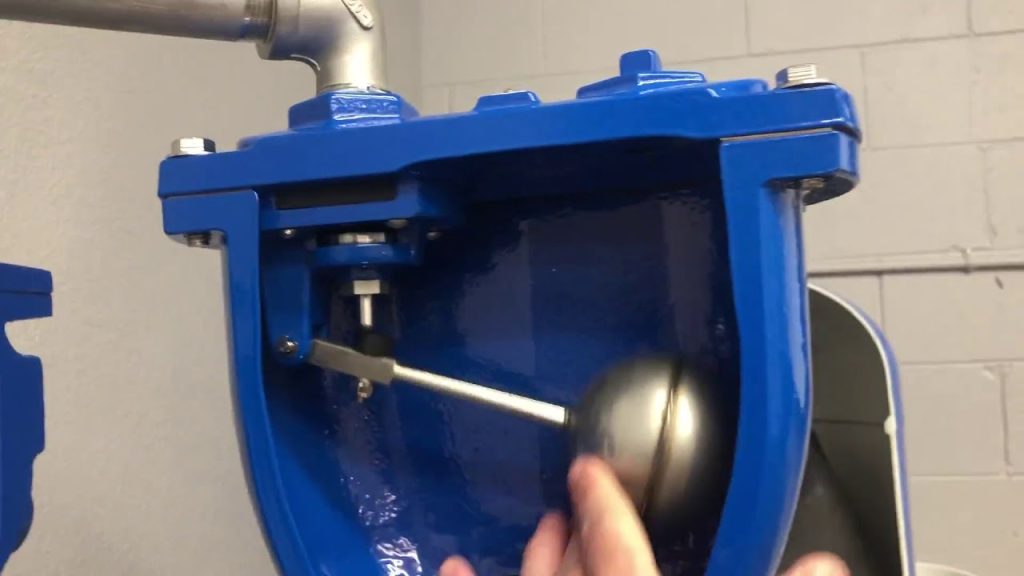
- Wie Luftventile wirklich funktionieren (die einfache Erklärung)
- Häufige Probleme mit Luftventilen (und wie man sie behebt)
- Dimensionierung von Luftventilen (der richtige Weg)
- Bewährte Praktiken bei der Installation
- Wartung, die wirklich wichtig ist
- Erweiterte Überlegungen für 2025
- Die Kosten eines Fehlers
- Ihr Aktionsplan
- Die Quintessenz
Was ist ein Luftventil?
Was ist ein Luftventil? Es handelt sich um eine mechanische Vorrichtung, die den Luftstrom in Flüssigkeitsrohrsystemen automatisch steuert. Betrachten Sie ihn als die Lunge Ihres Wassersystems - er lässt bei Bedarf eingeschlossene Luft ab und lässt Luft ein, um gefährliche Unterdrücke zu vermeiden.
Ziemlich einfach, oder?
Aber hier ist die Sache:
Die Wahl des falschen Luftventil (oder sie ganz auszulassen) kann zu ernsthaften Problemen führen. Wir sprechen hier von Rohrschäden, verminderter Effizienz und sogar von einem kompletten Systemausfall.
In diesem Leitfaden werden Sie als Fachmann LuftventilherstellerIch werde alles, was Sie über Luftventile wissen müssen, aufschlüsseln. Keine Floskeln. Nur umsetzbare Informationen, die Sie sofort verwenden können.
Lassen Sie uns eintauchen.
Warum Luftventile wichtiger sind, als Sie denken
Sehen Sie:
Die meisten Menschen denken nicht über Luftventile nach, bis etwas schief geht.
Ein großer Fehler.
So sieht es aus, wenn Luft in Ihren Rohren eingeschlossen wird:
Geringere Effizienz: Lufteinschlüsse führen zu Verstopfungen, die die Pumpen zwingen, härter zu arbeiten. Ich habe einen Anstieg des Energieverbrauchs um bis zu 30% in Systemen ohne geeignete Entlüftungsventile beobachtet.
Wasserschlag: Diese lauten Knallgeräusche? Das ist Wasserschlag. Und der ist nicht nur lästig - er kann Ihre Rohre buchstäblich zerstören.
Korrosion: Sauerstoff in eingeschlossener Luft beschleunigt die Rohrkorrosion. Eine Studie ergab, dass Rohre ohne Entlüftungsventile 40% schneller korrodierten als solche mit ordnungsgemäßer Belüftung.
Ungenaue Dosierung: Lufteinschlüsse stören die Durchflussmesser, was zu Abrechnungsfehlern und Ineffizienz des Systems führt.
Und das Ergebnis?
Luftventile sind nicht optional. Sie sind für jedes Flüssigkeitsleitungssystem unverzichtbar.
Die 3 Arten von Luftventilen (und wann sie zu verwenden sind)
Nicht alle Luftventile sind gleich.
Tatsächlich gibt es drei Haupttypen. Und jede dient einem bestimmten Zweck:
1. Entlüftungsventile (kleine Öffnung)
Dies sind die Arbeitspferde der Luftventil Welt.
Entlüftungsventile lassen kontinuierlich kleine Lufteinschlüsse aus unter Druck stehenden Systemen ab. Sie eignen sich perfekt zum Entfernen von gelöster Luft, die sich während des normalen Betriebs vom Wasser trennt.
Wann sind sie zu verwenden?: Installieren Sie diese an hoch gelegenen Stellen in Ihrem System, an denen sich natürlicherweise Luft ansammelt.
Profi-Tipp: Für eine optimale Leistung sollten sie bei langen Rohrleitungen alle 800 Meter aufgestellt werden.
2. Luft- und Vakuumventile (große Öffnung)
Betrachten Sie diese als die Schwergewichte.
Luft- und Vakuumventile handhaben große Luftmengen während des Betriebs:
- Füllen der Rohrleitungen
- System entleeren
- Plötzlicher Druckabfall
Sie lassen sich weit öffnen, damit die Luft schnell ein- oder ausströmen kann, was die Bildung eines Vakuums verhindert, das die Rohre zum Einsturz bringen könnte.
Wann sind sie zu verwenden?: Kritisch bei Pumpstationen und überall dort, wo Rohrleitungsabschnitte entleert werden können.
3. Kombinierte Luftventile
Sie können sich nicht zwischen den beiden entscheiden? Holen Sie beides.
Kombi-Ventile (auch Ventile mit doppelter Öffnung genannt) vereinen die Funktionen von Entlüftungs- sowie Luft- und Vakuumventilen in einer Einheit.
Wann sind sie zu verwenden?: Diese sind ideal für die meisten Anwendungen, vor allem, wenn Sie nicht sicher sind, welchen Typ Sie benötigen.
Wo Luftventile zu installieren sind (Der strategische Ansatz)
Der Standort ist wichtig.
Sehr viel.
Werden Luftventile an der falschen Stelle eingebaut, sind sie im Grunde nur teure Dekoration.
Hier ist meine bewährte Platzierungsstrategie:
Höhepunkte sind entscheidend
Luft ist leichter als Wasser. (Offensichtlich.)
Es steigt also zu den höchsten Punkten in Ihrem System auf. Das ist der Punkt, an dem Sie muss Luftventile einbauen.
Dazu gehören:
- Pipeline-Spitzen
- Vorläufige Höhepunkte
- Änderungen der Neigung
Auch lange Rohrleitungen brauchen Liebe
Selbst auf relativ flachen Strecken sollten Sie alle 500-800 Meter Luftventile einbauen.
Warum?
Denn mit zunehmender Entfernung sammelt sich Luft an. Und kleine Blasen verbinden sich zu größeren, problematischeren Lufteinschlüssen.
Nach Durchflussregelgeräten
Pumpen, Ventile und Durchflussbegrenzer erzeugen Turbulenzen.
Turbulenz = Lufteintrag.
Installieren Sie die Entlüftungsventile immer hinter der Maschine:
- Pumpen
- Regelventile
- Durchflussmesser
- Druckminderventile
Vor und nach den Absperrventilen
Schnell schließende Ventile können Vakuumbedingungen erzeugen.
Installieren Sie Luft- und Vakuumventile auf beiden Seiten, um Schäden während des Betriebs zu vermeiden.
Wie Luftventile wirklich funktionieren (die einfache Erklärung)
Lassen Sie mich die Mechanismen erläutern:
Für Entlüftungsventile:
- Luft sammelt sich in der Ventilkammer
- Der Schwimmer sinkt, da die Luft das Wasser verdrängt.
- Dadurch wird eine kleine Öffnung geöffnet
- Luft entweicht, bis das Wasser wieder aufsteigt
- Schwimmer steigt an und verschließt die Öffnung
Für Luft- und Vakuumventile:
- Großer Schwimmer bleibt offen, wenn das Rohr leer ist
- Wasser steigt beim Füllen auf und verdrängt die Luft
- Der Schwimmer steigt mit dem Wasserstand
- Dichtet ab, wenn das Rohr voll ist
- Öffnet wieder, wenn der Druck unter den Atmosphärendruck fällt
Ziemlich einfach, oder?
Die meisten Menschen übersehen jedoch Folgendes:
Die Konstruktion des Schwimmers ist entscheidend. Billige Ventile verwenden hohle Kunststoffschwimmer, die sich mit Wasser vollsaugen können. Qualitätsventile verwenden massive Schwimmer aus Edelstahl oder technischen Polymeren, die jahrzehntelang halten.
Häufige Probleme mit Luftventilen (und wie man sie behebt)
Auch die besten Luftventile können versagen.
Hier sind die häufigsten Probleme, die ich sehe:
Problem 1: Das Ventil lässt sich nicht schließen
Symptome: Kontinuierlicher Wasserstrahl aus dem Ventil
Verursacht:
- Verschmutzungen blockieren die Dichtung
- Verschlissene Dichtungsflächen
- Beschädigter Schwimmer
Fix: Interne Komponenten reinigen oder ersetzen
Problem 2: Das Ventil lässt sich nicht öffnen
Symptome: Luftansammlung trotz vorhandenem Ventil
Verursacht:
- Verstopfte Düse
- Festgefahrener Schwimmer
- Falscher Ventiltyp
Fix: Zerlegen und reinigen, oder durch den richtigen Ventiltyp ersetzen
Problem 3: Wasserschlag trotz Luftventilen
Symptome: Klopfende Geräusche, Druckspitzen
Verursacht:
- Zu schnell schließende Ventile
- Unzureichend Luftventil Kapazität
- Schlechte Platzierung des Ventils
Fix: Installieren Sie langsam schließende Ventile oder fügen Sie mehr Luftventil Kapazität
Dimensionierung von Luftventilen (der richtige Weg)
Das ist der Punkt, an dem viele Ingenieure scheitern.
Die Dimensionierung von Luftventilen basiert allein auf dem Rohrdurchmesser.
Ein großer Fehler.
Die richtige Dimensionierung berücksichtigt:
- Durchflussmenge: Höhere Durchflüsse erfordern größere Ventile
- Betriebsdruck: Beeinflusst die Luftabgabekapazität
- Rohrleitungsprofil: Mehr Höhenunterschiede = mehr Lüftung erforderlich
- Füllungsgrad: Schnellabfüllsysteme benötigen größere Öffnungen
Verwenden Sie die Größentabellen der Hersteller, aber denken Sie daran:
Es ist besser, etwas zu überdimensionieren als zu unterdimensionieren. Ein überdimensioniertes Ventil funktioniert noch. Ein unterdimensioniertes Ventil verursacht Probleme.
Bewährte Praktiken bei der Installation
Möchten Sie, dass Ihre Luftventile lange halten?
Befolgen Sie diese Installationshinweise:
Richtige Unterstützung verwenden
Luftventile können schwer sein, insbesondere größere Modelle.
Das Gewicht der Armatur darf die Rohrleitung nicht belasten. Verwenden Sie Betonplatten oder Stahlstützen.
Isolationsventile einbauen
Installieren Sie immer ein Absperrventil unter jedem Luftventil.
Auf diese Weise können Sie die Luftventil ohne das gesamte System zu entleeren.
Ventilkammern berücksichtigen
In Gefrierklimazonen oder stark frequentierten Bereichen sollten Sie Luftventile in Schutzkammern installieren.
Dies verhindert Schäden und erleichtert die Wartung.
Über Entlassung nachdenken
Luftventile können während des Betriebs Wasser ablassen.
Führen Sie den Abfluss weg von elektrischen Geräten und Laufwegen. Ich habe zu viele Rutschgefahren durch schlecht geplante Ventilplatzierungen gesehen.
Wartung, die wirklich wichtig ist
Die meisten Luftventile sind ziemlich kugelsicher.
Aber sie sind nicht wartungsfrei.
Hier ist mein empfohlener Zeitplan:
Monatlich:
- Sichtprüfung auf undichte Stellen
- Prüfen Sie, ob die Abflussbereiche frei sind.
Jährlich:
- Absperrventile trainieren
- Ventileinbauten reinigen
- Schwimmerbetrieb prüfen
- Verschlissene Dichtungen austauschen
Alle 5 Jahre:
- Vollständige Erneuerung oder Ersatz
- Betrieb des Druckprüfventils
Profi-Tipp: Halten Sie Ersatzteile vorrätig. Wenn ein Ventil ausfällt, wollen Sie es schnell reparieren.
Erweiterte Überlegungen für 2025
Die Luftventil Die Industrie steht nicht still.
Das sind die Neuerungen:
Intelligente Luftventile
Neue Modelle enthalten Sensoren zur Überwachung:
- Häufigkeit des Luftaustritts
- Ventilbetriebszyklen
- Interner Druck
Diese Daten helfen bei der Optimierung der Systemleistung und der Vorhersage des Wartungsbedarfs.
Anti-Slam-Technologie
Hochleistungsventile verfügen jetzt über Funktionen, die ein Zuschlagen verhindern und die Wasserschlag Risiko.
Integration von Überspannungsschutz
Moderne Kombinationsventile sind oft mit Überspannungsschutzfunktionen ausgestattet, die die Rohrleitungen zusätzlich schützen.
Die Kosten eines Fehlers
Lassen Sie mich eine kurze Geschichte erzählen:
Letztes Jahr beriet ich ein kommunales Wassersystem, das wiederholt von Rohrbrüchen betroffen war.
Der Schuldige? Unzureichende Luftventil Abdeckung.
Die Reparatur kostete $50.000 in Luftventilen.
Aber es ersparte ihnen $500.000+ an jährlichen Rohrreparaturen und Wasserverlusten.
Das ist eine 10-fache Rendite allein im ersten Jahr.
Ihr Aktionsplan
Sind Sie bereit, Ihr System zu optimieren?
Das ist zu tun:
- Überprüfen Sie Ihre aktuellen Luftventile: Karte ihrer Standorte und Bedingungen
- Lücken aufdecken: Suchen Sie nach Hochpunkten und langen Strecken ohne Ventile
- Größe richtig: Verwenden Sie Werkzeuge des Herstellers, keine Vermutungen
- Strategisch installieren: Befolgen Sie die oben genannten Platzierungsrichtlinien
- Regelmäßig pflegen: Erstellen Sie einen Wartungsplan und halten Sie ihn ein
Die Quintessenz
Was ist ein Luftventil?
Es ist die Versicherungspolice für Ihre Rohrleitung gegen luftbedingte Probleme. Von der Verhinderung von Wasserschlägen bis zur Senkung der Energiekosten - die richtige Luftventil Auswahl und Platzierung zahlt sich über Jahre hinweg aus.
Warten Sie nicht darauf, dass sich Probleme entwickeln. Holen Sie sich Ihr Luftventil Strategie von Anfang an.
Ihre Rohre (und Ihr Budget) werden es Ihnen danken.