Resumen rápido:
- Una válvula de equilibrado de presión evita los choques bruscos entre frío y calor manteniendo constante la relación de presión entre frío y caliente mediante un carrete deslizante o un diafragma en el cartucho.
- Protege rápidamente (milisegundos) del choque térmico, pero puede provocar una notable caída de presión al compensar.
- Problemas habituales: bobinas que se atascan por acumulación de minerales o desgaste; los cartuchos suelen durar entre 10 y 15 años y se limpian o sustituyen para solucionar los problemas.
- La instalación a menudo debe cumplir la normativa local y es mejor que la realice un fontanero autorizado para garantizar la orientación correcta, el ajuste del tope y el funcionamiento sin fugas.
¿Alguna vez has saltado de la ducha porque alguien ha tirado de la cadena?
Sí, todos hemos pasado por eso.
Un segundo estás disfrutando de una ducha perfectamente caliente. ¿Y al siguiente? Te estás congelando o recibiendo un chorro de agua hirviendo.
Índice
- ¿Cómo funciona una válvula de equilibrado de presión?
- ¿Qué es una válvula de equilibrado de presión?
- El mecanismo interno: cómo funciona realmente
- Componentes clave de una válvula equilibradora de presión
- Válvulas de equilibrado de presión frente a válvulas termostáticas: ¿Cuál es la diferencia?
- Problemas comunes y mantenimiento
- Consideraciones sobre la instalación
- Rendimiento en el mundo real: Qué esperar
- Consideraciones económicas
- Cómo elegir la válvula adecuada para su hogar
- El futuro de la seguridad en la ducha
- Reflexiones finales
¿Cómo funciona una válvula de equilibrado de presión?
¿Cómo funciona una válvula de equilibrado de presión? Una válvula de equilibrado de presión mantiene una proporción constante de presión de agua caliente y fría ajustando automáticamente el caudal de agua cuando se producen cambios de presión en el sistema de fontanería. Cuando la presión disminuye en un lado (por ejemplo, al tirar de la cadena), la válvula restringe el caudal del otro lado para mantener constante la temperatura de la ducha.
Pero eso es sólo arañar la superficie.
En esta guía, como profesional fabricante de válvulas de equilibradoA continuación, explicaré exactamente cómo protegen estas válvulas del choque térmico, qué ocurre dentro de la carcasa de latón y por qué son diferentes de las válvulas termostáticas.
¿Qué es una válvula de equilibrado de presión?
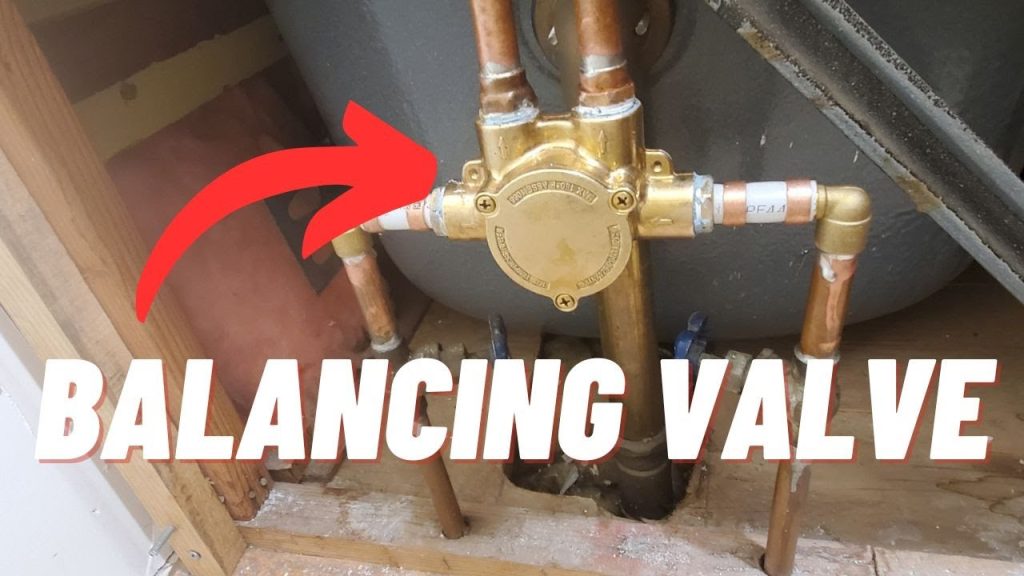
Una válvula de equilibrado de presión (también llamada válvula antiquemaduras) es un dispositivo de seguridad de fontanería que evita los cambios bruscos de temperatura en la ducha.
Piense que es como el guardaespaldas de su ducha.
¿Su función principal? Protegerle del "choque térmico", ese peligroso chorro de agua supercaliente o helada que se produce cuando cambia la presión del agua en otra parte de su casa.
Esto es lo que lo hace funcionar:
La válvula controla constantemente la presión de los conductos de agua fría y caliente. Cuando detecta un cambio de presión, ajusta automáticamente el caudal para mantener la temperatura programada.
Muy inteligente, ¿verdad?
¿En resumidas cuentas? Una válvula de equilibrado de presión mantiene constante la temperatura de la ducha, incluso cuando hay otros aparatos en funcionamiento.
El mecanismo interno: cómo funciona realmente
Permítanme desglosar lo que está sucediendo dentro de esa válvula.
Dentro del cartucho, hay un pequeño componente móvil. Por lo general, es cualquiera de los dos:
- Un carrete deslizante (pistón)
- Un diafragma flexible
Este componente se sitúa justo entre las entradas de agua caliente y fría.
Aquí es donde la cosa se pone interesante:
Cuando la presión es igual
Cuando la presión del agua caliente y fría está equilibrada, el carrete permanece centrado. El agua fluye en la proporción que hayas ajustado con la maneta.
Bastante simple.
Cuando alguien tira de la cadena
Aquí es donde se produce la magia.
- El inodoro extrae agua fría de su sistema de fontanería
- La presión del agua fría baja repentinamente
- La presión del agua caliente es ahora mayor
- El carrete se desliza inmediatamente hacia el lado frío
- Este movimiento bloquea o restringe el puerto de agua caliente
¿El resultado?
La válvula reduce el caudal de agua caliente para que coincida con el menor caudal de agua fría. La temperatura se mantiene igual (aunque notarás menos presión de agua).
Consejo profesional: Todo esto ocurre en milisegundos. Por eso te quedas cómodo en vez de escaldarte.
Componentes clave de una válvula equilibradora de presión
Veamos en qué consisten estas válvulas:
1. Cuerpo de la válvula
La pesada carcasa de latón que se encuentra detrás de la pared. Es la estructura principal que lo mantiene todo unido.
2. Cartucho
Piense en esto como el "cerebro" de la válvula.
Contiene el mecanismo de equilibrado de la presión y controla la mezcla de agua.
3. Carrete equilibrador de presión
El pistón deslizante que reacciona a los cambios de presión. Este es el componente héroe que te mantiene a salvo.
4. Tope
Un pequeño anillo de plástico que impide que el mango gire demasiado hacia la zona "caliente".
(Esto te proporciona una segunda capa de protección contra las quemaduras).
Válvulas de equilibrado de presión frente a válvulas termostáticas: ¿Cuál es la diferencia?
La gente los confunde todo el tiempo.
Pero aquí está la cosa:
Funcionan de forma completamente diferente.
| Característica | Válvula de equilibrado de presión | Válvula termostática |
|---|---|---|
| Lo que percibe | Cambios de presión | Cambios de temperatura |
| Tipo de control | Mango único para volumen y temperatura | Asas separadas para cada |
| Cómo funciona | Mantiene la relación de presión | Mantiene la temperatura exacta |
| Precio | Presupuesto asequible | Más caro |
| Lo mejor para | La mayoría de los hogares | Instalaciones de lujo |
He aquí la diferencia clave:
Válvulas de equilibrado de presión en realidad no "conocen" la temperatura del agua. Sólo mantienen constante la proporción de agua caliente y fría.
Válvulas termostáticas tienen un elemento de cera que se expande o contrae en función de la temperatura real del agua. Pueden mantener una temperatura exacta independientemente de los cambios de presión.
¿Cuál elegir?
Para la mayoría de los propietarios, una válvula de equilibrado de presión ofrece la mejor relación calidad-precio. Son fiables, asequibles y hacen un excelente trabajo para evitar el choque térmico.
Problemas comunes y mantenimiento
Incluso las mejores válvulas equilibradoras de presión pueden desarrollar problemas.
¿El problema más común?
Carretes pegajosos.
¿Recuerdas el pistón deslizante que mencioné? Puede atascarse debido a:
- Acumulación de minerales
- Depósitos de agua dura
- Desgaste general
Señales de que su válvula necesita atención:
- Fluctuaciones bruscas de temperatura
- La ducha está muy caliente o muy fría
- La manivela se atasca o es difícil de girar
- La presión del agua parece más baja de lo normal
¿La solución? Por lo general, el cartucho necesita limpieza o sustitución.
He comprobado que la mayoría de los cartuchos de válvulas de equilibrado de presión duran entre 10 y 15 años con un mantenimiento adecuado.
Consideraciones sobre la instalación
¿Está pensando en instalar una válvula de equilibrado de presión?
Esto es lo que debe saber:
Requisitos del Código
Muchas áreas (incluyendo la mayor parte de Chicago) ahora requieren válvulas de equilibrado de presión por el código.
¿Por qué?
Previenen lesiones por quemaduras, especialmente para:
- Niños pequeños
- Adultos mayores
- Personas con problemas de movilidad
Instalación profesional
Mira, estoy a favor de los proyectos de bricolaje.
Pero éste no es uno de ellos.
Instalar una válvula de equilibrado de presión significa:
- Cortar las tuberías de suministro de agua
- Orientación correcta de las válvulas
- Ajuste correcto del tope
- Pruebas de estanqueidad
Un error puede significar daños por agua o una protección inadecuada.
¿Mi recomendación? Contrate a un fontanero autorizado. La tranquilidad merece la pena.
Rendimiento en el mundo real: Qué esperar
Fijemos expectativas realistas.
Una válvula de equilibrado de presión no le dará:
- Presión de agua perfectamente constante
- Siempre la misma temperatura
- Protección contra la falta de agua caliente
Lo que te dará:
- Protección contra picos bruscos de temperatura
- Proporciones de temperatura constantes
- Seguridad frente al choque térmico
- Cumplimiento del código
El compromiso
¿Recuerdas cuando te dije que notarías una caída de presión cuando alguien usara agua en otro sitio?
Esa es la compensación.
Cuando la válvula restringe el caudal para mantener la temperatura, la presión general del agua disminuye.
Pero aquí está la cosa:
La mayoría de la gente prefiere una ligera caída de presión a recibir un chorro de agua hirviendo.
Consideraciones económicas
Hablemos de dinero.
Una válvula de equilibrado de presión de calidad suele costar:
- Sólo válvula: $75-$300
- Instalación profesional: $200-$500
- Inversión total: $275-$800
Compárelo con un sistema de válvula termostática:
- Sólo válvula: $300-$800
- Instalación: $300-$700
- Total: $600-$1,500
¿Merece la pena?
Piensa en esto:
Por término medio, las lesiones por escaldadura suponen más de $3.000 en gastos médicos. Y eso sin contar el dolor, el sufrimiento o las posibles demandas.
De repente, esa válvula parece bastante asequible.
Cómo elegir la válvula adecuada para su hogar
No todas las válvulas de equilibrado de presión son iguales.
Esto es lo que hay que tener en cuenta:
Compatibilidad de caudal
Asegúrese de que la válvula se ajusta al caudal de su alcachofa de ducha. Las válvulas antiguas diseñadas para 2,5 GPM pueden no protegerle adecuadamente con los modernos cabezales de ducha de bajo caudal.
Reputación de marca
Quédate con marcas establecidas como:
- Moen
- Delta
- Kohler
- American Standard
Ofrecen mejores garantías y piezas de recambio fácilmente disponibles.
Válvula Rough-In vs. Kit Trim
La válvula de entrada es lo que está detrás de la pared. El kit de acabado es lo que se ve y se toca.
Muchos fabricantes permiten actualizar el embellecedor manteniendo la misma válvula de entrada.
Consejo profesional: Compra una válvula universal. Le dará más opciones de ajuste en el futuro.
El futuro de la seguridad en la ducha
La tecnología de equilibrado de la presión sigue mejorando.
Novedades que llegan al mercado:
- Indicadores digitales de temperatura
- Integración doméstica inteligente
- Mecanismos de autolimpieza
- Mayor resistencia a los minerales
Pero esto es lo que no ha cambiado:
El principio básico de la compensación de la presión sigue protegiendo cada día a millones de personas de los choques térmicos.
Reflexiones finales
Así que.., ¿cómo funciona una válvula de equilibrado de presión?
Supervisa continuamente la presión del agua caliente y fría, ajustando automáticamente el caudal para mantener relaciones de temperatura constantes cuando se producen cambios de presión en cualquier punto de su sistema de fontanería.
Concepto sencillo. Brillante ejecución.
Tanto si está construyendo un edificio nuevo, remodelando o simplemente está cansado de las sorpresas de temperatura, una válvula de equilibrado de presión es una de las mejores inversiones que puede hacer en seguridad y comodidad en la ducha.
La tecnología puede parecer compleja, pero las ventajas son sencillas:
Duchas seguras y cómodas en todo momento.
Se acabó la gimnasia en la ducha. Se acabaron las sorpresas. Sólo una temperatura del agua constante y agradable.
Y eso es algo que todos podemos apoyar.