Resumo rápido
As válvulas de esfera flutuante funcionam melhor para sistemas de pressão baixa a média (menos de 600 PSI) e tubagens mais pequenas (menos de 10 polegadas), oferecendo uma conceção simples e um custo inicial mais baixo. As válvulas de munhão são excelentes em aplicações de alta pressão (até 2500+ PSI) e grandes diâmetros (até 60 polegadas), com um binário de funcionamento mais baixo e uma vida útil mais longa, apesar de um investimento inicial mais elevado.
Escolha válvulas flutuantes para aplicações standard com orçamentos apertados; escolha válvulas trunnion para sistemas críticos, automação ou quando o custo total do ciclo de vida é mais importante do que o preço inicial.
Já se perguntou porque é que algumas válvulas de esfera custam o dobro das outras? Ou porque é que o seu engenheiro insiste numa válvula de munhão para aquele novo projeto de tubagem?
A diferença entre válvula de esfera flutuante A escolha entre o design do munhão e o desempenho do seu sistema pode ser decisiva. E escolher mal? Isso pode significar tudo, desde fugas incómodas a falhas catastróficas.
Passei anos a trabalhar com ambos os tipos de válvulas. E vi em primeira mão como a escolha da válvula correta poupa às empresas milhares de euros em custos de manutenção.
Neste guia, vou explicar tudo o que precisa de saber sobre estes dois modelos de válvulas. Nada de tretas. Apenas informações práticas que pode utilizar hoje.
O que é exatamente uma válvula de esfera flutuante?
Vou começar pelo básico.
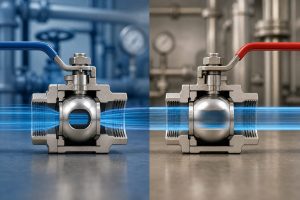
Uma válvula de esfera flutuante recebe este nome porque a esfera no seu interior “flutua” literalmente entre duas sedes. Não está fixa no sítio.
Quando se fecha a válvula, a pressão a montante empurra a esfera contra a sede a jusante. Isto cria a sua vedação.
Pense nisso como uma rolha numa garrafa. A pressão do líquido empurra a rolha contra a abertura.
Muito simples, não é?
Eis o que torna as válvulas de esfera flutuantes únicas:
- A esfera move-se ligeiramente dentro do corpo da válvula
- A pressão faz o trabalho pesado para selar
- Conceção mais simples = custo mais baixo
- Perfeito para tubos mais pequenos (normalmente com menos de 10 polegadas)
Já instalei centenas destes em vários sistemas. São muito úteis para aplicações normais.
Mas não são perfeitos para tudo.
Como as Válvulas de Esfera Trunnion funcionam de forma diferente
Agora, válvulas de munhão? Totalmente diferente.
Numa conceção de munhão, a esfera está ancorada. Tem um eixo (chamado munhão) na parte inferior que impede qualquer movimento, exceto a rotação.
Uma vez que a esfera não se pode mover, as sedes movem-se. São acionadas por uma mola e empurram contra a esfera fixa para criar uma vedação.
Principais diferenças em relação às válvulas de munhão:
- A bola fica parada (sem movimento lateral)
- Os assentos com mola fazem o trabalho de vedação
- Mais complexo = custo inicial mais elevado
- Construído para aplicações de alta pressão e de grande diâmetro
O resultado final? As válvulas de munhão são a opção para serviços pesados quando as válvulas flutuantes não são suficientes.
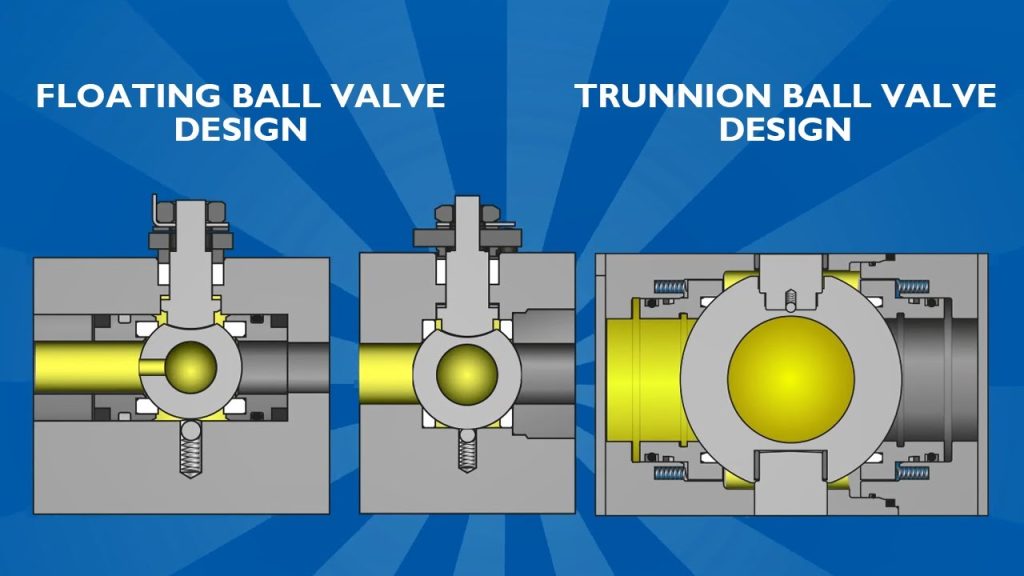
Comparação entre Válvula de Esfera Flutuante e Trunnion
Vamos entrar nos pormenores.
Binário de funcionamento
Isto é enorme. E é onde as válvulas de munhão realmente brilham.
Válvulas de esfera flutuante: À medida que a pressão aumenta, a bola é pressionada com mais força contra o assento. Resultado? É necessária uma força do tipo Hulk para rodar o manípulo a altas pressões.
Válvulas de munhão: O design de esfera fixa significa que o binário se mantém baixo e consistente. Mesmo a 2500 PSI, pode funcionar sem problemas.
Uma vez trabalhei num projeto em que substituímos as válvulas flutuantes por válvulas de munhão só porque os operadores se estavam a magoar ao tentar rodar os manípulos.
Manuseamento de pressão
Válvulas flutuantes: Ótimo para ANSI Classe 150-600 (pressão baixa a média)
Válvulas de munhão: Suporta a classe ANSI 900-2500+ sem esforço
Eis um exemplo do mundo real:
A conduta de gás natural de um cliente funcionava a 1200 PSI. As suas válvulas flutuantes tinham fugas constantes. Mudámos para válvulas de munhão. Zero fugas em 3 anos.
Limitações de tamanho
Flutuante: Normalmente, o máximo é de 10-12 polegadas
Munhão: Já os vi com até 60 centímetros de diâmetro
Porquê a diferença? Física. Uma válvula de esfera flutuante de 24 polegadas necessitaria de uma empilhadora para funcionar sob pressão.
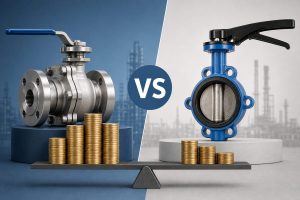
Análise de custos
Falemos de dinheiro.
Custos iniciais:
- Válvula flutuante (6 polegadas): $500-1.500
- Válvula de munhão (6 polegadas): $2.000-5.000
Mas aqui está o ponto alto:
Ao longo de 10 anos, essa válvula de munhão “dispendiosa” custa muitas vezes MENOS, se tivermos em conta os custos:
- Menor necessidade de manutenção
- Vida útil mais longa
- Redução do tempo de inatividade
- Mais pequeno atuadores (para sistemas automatizados)
Requisitos de manutenção
Válvulas flutuantes:
- Design simples = reparações fáceis
- Mas os assentos desgastam-se mais rapidamente sob alta pressão
- Prevê-se a substituição do assento a cada 2-5 anos em aplicações exigentes
Válvulas de munhão:
- Componentes internos mais complexos
- Mas os componentes duram muito mais tempo
- Muitos possuem assentos substituíveis sem remover a válvula da linha
Dica profissional: Se a sua equipa de manutenção for pequena ou inexperiente, as válvulas flutuantes são mais tolerantes.
Quando escolher válvulas de esfera flutuante
Com base na minha experiência, opte por válvulas flutuantes quando:
- Trabalhar com meios limpos e não abrasivos
- Estações de tratamento de água
- Sistemas HVAC
- Processamento químico ligeiro
- Funcionamento a pressões mais baixas (inferior a 600 PSI)
- Utilização de tubos de menor dimensão (10 polegadas ou menos)
- O orçamento é apertado e a aplicação não é crítica
- O tempo de paragem para manutenção é aceitável
Recentemente, especifiquei válvulas flutuantes para uma fábrica de cerveja. Baixa pressão, meios limpos, tubos de 4 polegadas. Funcionaram na perfeição durante 2 anos.
Quando as válvulas de munhão valem o investimento
Escolha o munhão quando se trata de:
- Sistemas de alta pressão
- Oleodutos e gasodutos
- Sistemas de vapor com mais de 600 PSI
- Processamento químico a alta pressão
- Tubos de grande diâmetro (mais de 10 polegadas)
- Sistemas de válvulas automatizados (binário mais baixo = actuadores mais pequenos = poupança de custos)
- Aplicações críticas onde o fracasso não é uma opção
- Meios abrasivos ou sujos isso destruiria as sedes flutuantes das válvulas
Caso em questão: Uma refinaria para a qual prestei consultoria mudou as suas principais linhas de petróleo bruto para válvulas de munhão. Os custos de manutenção baixaram 70% em 5 anos.
Conselhos de instalação para ambos os tipos de válvulas
Instalação da válvula de esfera flutuante
- Verificar a direção do fluxo - Embora muitos sejam bidireccionais, alguns têm uma direção preferencial
- Apoiar o gasoduto - O corpo da válvula não deve suportar o peso do tubo
- Utilizar juntas adequadas - Adequá-los aos seus meios de comunicação e classificação de pressão
- Não apertar demasiado os flanges - Vai deformar a carroçaria e provocar fugas
Instalação da válvula de munhão
- O nível é crítico - O desalinhamento provoca um desgaste prematuro
- Verificar as válvulas de alívio da cavidade - Muitos munhões têm-nas para evitar a acumulação de pressão
- Lubrificar de acordo com as especificações - Alguns requerem lubrificação periódica do munhão
- Instalar válvulas de bloqueio - Para isolamento de manutenção
Erros comuns a evitar
Vejo estes erros constantemente:
Erro #1: Escolher apenas pelo preço
Uma válvula flutuante barata num sistema de alta pressão custa mais a longo prazo do que uma válvula de trunnion de qualidade.
Erro #2: Ignorar os limites de velocidade
Os caudais de alta velocidade desgastam as sedes mais rapidamente. Ambos os tipos de válvulas têm limites.
Erro #3: Material do banco incorreto
Os assentos de PTFE derretem em aplicações de alta temperatura. As sedes metálicas podem ficar presas se não forem corretamente selecionadas.
Erro #4: Sobredimensionar “por precaução”
Uma válvula sobredimensionada funciona numa posição parcialmente aberta, provocando um desgaste prematuro.
O futuro da tecnologia de válvulas de esfera
A indústria não está parada. Eis o que estou a ver:
- Válvulas inteligentes com sensores de posição e capacidades de diagnóstico
- Revestimentos avançados que prolongam a vida útil dos bancos 5-10 vezes
- Desenhos híbridos combinando o melhor das duas tecnologias
- Componentes impressos em 3D para aplicações personalizadas
Tomar a decisão final
Eis a minha árvore de decisão simplificada:
- Pressão superior a 600 PSI? → Considerar o munhão
- Tubo com mais de 10 polegadas? → Munhão definitivo
- Precisa de automatização? → O munhão poupa dinheiro em actuadores
- Orçamento apertado + condições normais? → Flutuante funciona bem
Mas lembre-se: Cada aplicação é única. Em caso de dúvida, consulte especialistas em válvulas que possam analisar as suas condições específicas.
Principais conclusões
A diferença entre os modelos de válvula de esfera flutuante e de munhão resume-se a isto:
- As válvulas flutuantes são excelentes em aplicações standard com pressões mais baixas e tamanhos mais pequenos
- As válvulas de munhão dominam em sistemas de alta pressão, de grande diâmetro ou automatizados
- O custo inicial não é tudo - considere os custos totais do ciclo de vida
- Uma seleção adequada evita dores de cabeça (e derrapagens orçamentais) no futuro
A escolha da válvula correta pode significar a diferença entre um sistema que funciona durante décadas e um que necessita de atenção constante.
Qual é a sua experiência com estes tipos de válvulas? Gostaria de conhecer as suas aplicações e as lições aprendidas ao longo do processo.