Краткое содержание:
- Балансировочный клапан предотвращает резкие перепады температуры, поддерживая постоянное соотношение горячего и холодного давления с помощью скользящего золотника или мембраны в картридже.
- Он быстро (миллисекунды) защищает от теплового удара, но может вызвать заметное падение давления при компенсации.
- Распространенные проблемы: заедание катушек из-за скопления минералов или износа; картриджи обычно служат 10-15 лет и для устранения проблем их чистят или заменяют.
- Установка часто должна соответствовать местным нормам, и лучше всего, чтобы ее выполнял лицензированный сантехник для обеспечения правильной ориентации, установки ограничителя и отсутствия протечек.
Когда-нибудь выпрыгивали из душа, потому что кто-то спустил воду в туалете?
Да, мы все там были.
В одну секунду вы наслаждаетесь идеально теплым душем. А в следующую? Вы либо замерзаете, либо вас обдают обжигающе горячей водой.
Оглавление
- Как работает балансировочный клапан?
- Что такое балансировочный клапан?
- Внутренний механизм: как он работает на самом деле
- Основные компоненты балансировочного клапана
- Балансировка давления и термостатические клапаны: В чем разница?
- Общие проблемы и техническое обслуживание
- Соображения по установке
- Производительность в реальном мире: Что ожидать
- Соображения по поводу стоимости
- Выбор подходящего клапана для вашего дома
- Будущее безопасности в душевых
- Заключительные размышления
Как работает балансировочный клапан?
Как работает балансировочный клапан? Балансировочный клапан поддерживает постоянное соотношение давления горячей и холодной воды, автоматически регулируя расход воды при изменении давления в вашей водопроводной системе. Когда давление падает с одной стороны (например, когда смывается унитаз), клапан ограничивает поток с другой стороны, чтобы поддерживать температуру в душе.
Но это лишь малая часть.
В этом руководстве вы, как профессионал производитель балансировочных клапановЯ расскажу, как именно эти клапаны защищают вас от теплового удара, что происходит внутри латунного корпуса и чем они отличаются от термостатических клапанов.
Что такое балансировочный клапан?
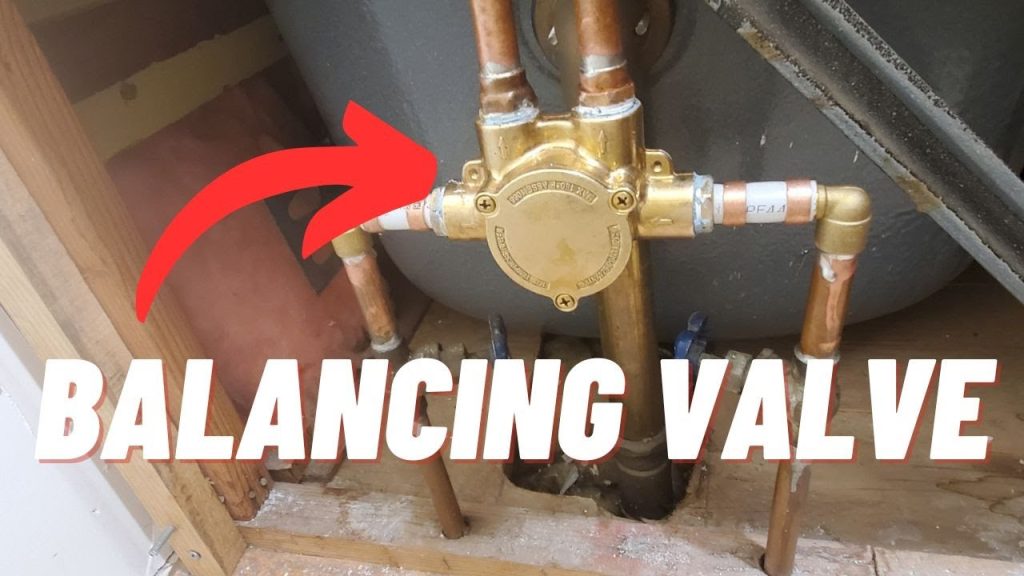
Балансировочный клапан (также называемый антиожоговым клапаном) - это сантехническое устройство, предотвращающее резкие перепады температуры в душе.
Считайте, что это телохранитель вашего душа.
Его основная задача? Защитить вас от "теплового удара" - опасной вспышки сверхгорячей или ледяной воды, которая происходит при изменении давления воды в других местах вашего дома.
Вот что его отличает:
Клапан постоянно контролирует давление в линиях горячей и холодной воды. Когда он обнаруживает изменение давления, то автоматически регулирует поток для поддержания заданной температуры.
Довольно умно, правда?
Итог? Клапан выравнивания давления поддерживает постоянную температуру в душе, даже если работают другие приборы.
Внутренний механизм: как он работает на самом деле
Сейчас я расскажу, что происходит внутри этого клапана.
Внутри картриджа находится небольшой подвижный элемент. Обычно это либо:
- Подвижный золотник (поршень)
- Гибкая диафрагма
Этот компонент располагается прямо между входами горячей и холодной воды.
Вот тут-то и становится интересно:
Когда давление одинаково
Когда давление горячей и холодной воды сбалансировано, золотник остается в центре. Вода проходит через него в том соотношении, которое вы установили с помощью ручки.
Достаточно просто.
Когда кто-то спускает воду в туалете
Именно здесь происходит волшебство.
- Унитаз потребляет холодную воду из водопроводной системы
- Напор холодной воды внезапно снижается
- Давление горячей воды стало выше
- Шпуля немедленно сдвигается в сторону холодной стороны
- Это движение блокирует или ограничивает доступ горячей воды.
Результат?
Клапан уменьшает расход горячей воды в соответствии с уменьшением расхода холодной воды. Температура остается прежней (хотя напор воды будет меньше).
Совет профессионала: Все это происходит за миллисекунды. Вот почему вы остаетесь в комфорте, а не ошпариваетесь.
Основные компоненты балансировочного клапана
Давайте посмотрим, из чего состоят эти клапаны:
1. Корпус клапана
Тяжелый латунный корпус, расположенный за стеной. Это основная конструкция, которая удерживает все вместе.
2. Картридж
Считайте, что это "мозг" клапана.
Он содержит механизм балансировки давления и управляет смешиванием воды.
3. Золотник для уравновешивания давления
Скользящий поршень, реагирующий на изменение давления. Это геройский компонент, который обеспечивает вашу безопасность.
4. Ограничитель
Небольшое пластиковое кольцо, которое не позволяет ручке слишком сильно поворачиваться в "горячей" зоне.
(Это обеспечивает второй уровень защиты от ожогов).
Балансировка давления и термостатические клапаны: В чем разница?
Люди постоянно путают их.
Но вот в чем дело:
Они работают совершенно по-разному.
| Особенность | Балансировочный клапан | Термостатический клапан |
|---|---|---|
| Что он чувствует | Изменения давления | Температурные изменения |
| Тип управления | Одна ручка для регулировки объема и температуры | Отдельные ручки для каждого |
| Как это работает | Поддерживает соотношение давления | Поддерживает точную температуру |
| Цена | Бюджетный | Более дорогой |
| Лучшее для | Большинство домов | Роскошные инсталляции |
Вот ключевое различие:
Клапаны балансировки давления на самом деле не "знают" температуру воды. Они просто поддерживают постоянное соотношение горячей и холодной воды.
Термостатические клапаны имеют восковой элемент, который расширяется или сжимается в зависимости от фактической температуры воды. Они могут поддерживать точную температуру независимо от изменения давления.
Какой из них выбрать?
Для большинства домовладельцев балансировочный клапан - это лучшее решение. Они надежны, доступны по цене и отлично справляются с предотвращением теплового удара.
Общие проблемы и техническое обслуживание
Даже с самыми лучшими балансировочными клапанами могут возникнуть проблемы.
Самая распространенная проблема?
Катушки для намотки.
Помните тот скользящий поршень, о котором я упоминал? Он может застрять из-за:
- Минеральные отложения
- Отложения жесткой воды
- Общий износ
Признаки того, что вашему клапану требуется внимание:
- Температура колеблется в широких пределах
- Душ становится очень горячим или холодным
- Рукоятка заедает или с трудом поворачивается
- Напор воды кажется ниже обычного
Что делать? Обычно картридж нуждается в чистке или замене.
По моим наблюдениям, большинство картриджей с клапанами выравнивания давления служат 10-15 лет при надлежащем уходе.
Соображения по установке
Думаете об установке балансировочного клапана?
Вот что вам нужно знать:
Требования кодекса
Во многих районах (включая большую часть Чикаголенда) в соответствии с нормами теперь требуется установка клапанов балансировки давления.
Почему?
Они предотвращают травмы от ожогов, особенно для:
- Маленькие дети
- Пожилые люди
- Люди с проблемами мобильности
Профессиональная установка
Послушайте, я за проекты "сделай сам".
Но это не один из них.
Установка клапана выравнивания давления означает:
- Врезка в водопроводные линии
- Обеспечение правильной ориентации клапана
- Правильная установка ограничителя
- Проверка на наличие утечек
Одна ошибка может привести к повреждению водой или неправильной защите.
Моя рекомендация? Наймите лицензированного сантехника. Душевное спокойствие того стоит.
Производительность в реальном мире: Что ожидать
Давайте установим реалистичные ожидания.
Балансировочный клапан давления не даст:
- Идеально постоянное давление воды
- Каждый раз одинаковая температура
- Защита от перебоев с горячей водой
Что это даст вам:
- Защита от резких скачков температуры
- Постоянное соотношение температур
- Защита от теплового удара
- Соблюдение правил
Компромисс
Помните, я говорил, что вы заметите падение давления, когда кто-то использует воду в другом месте?
Таков компромисс.
Когда клапан ограничивает поток для поддержания температуры, общее давление воды снижается.
Но вот в чем дело:
Большинство людей предпочитают небольшое снижение давления, а не обжигающую воду.
Соображения по поводу стоимости
Давайте поговорим о деньгах.
Качественный балансировочный клапан обычно стоит недорого:
- Только клапан: $75-$300
- Профессиональная установка: $200-$500
- Общие инвестиции: $275-$800
Сравните это с системой термостатических клапанов:
- Только клапан: $300-$800
- Установка: $300-$700
- Всего: $600-$1,500
Стоит ли оно того?
Подумайте об этом:
Средняя травма от ожога приводит к медицинским расходам в размере $3,000+. И это не считая боли, страданий и потенциальных судебных исков.
Неожиданно этот клапан кажется вполне доступным.
Выбор подходящего клапана для вашего дома
Не все балансировочные клапаны созданы одинаковыми.
Вот что нужно искать:
Совместимость по скорости потока
Убедитесь, что клапан соответствует расходу воды в душевой лейке. Старые клапаны, предназначенные для 2,5 GPM Современные душевые лейки с низким расходом воды могут не защитить вас должным образом.
Репутация бренда
Придерживайтесь известных брендов, таких как:
- Moen
- Delta
- Kohler
- Американский стандарт
Они предлагают лучшие гарантии и легкодоступные запасные части.
Вентиль для грубой установки в сравнении с комплектом отделки
Вентиль для черновой установки - это внутренности за стеной. Комплект отделки - это то, что вы видите и трогаете.
Многие производители позволяют обновить отделку, сохранив при этом тот же клапан для черновой установки.
Совет профессионала: Купите универсальный клапан для черновой установки. Это даст вам больше вариантов отделки в будущем.
Будущее безопасности в душевых
Технология балансировки давления постоянно совершенствуется.
Новые функции, выходящие на рынок:
- Цифровые температурные дисплеи
- Интеграция умного дома
- Механизмы самоочистки
- Улучшенная минеральная стойкость
Но вот что не изменилось:
Основной принцип компенсации давления до сих пор ежедневно защищает миллионы людей от теплового удара.
Заключительные размышления
Итак, как работает балансировочный клапан?
Он постоянно контролирует давление горячей и холодной воды, автоматически регулируя расход для поддержания постоянных температурных соотношений при изменении давления в любой точке вашей водопроводной системы.
Простая концепция. Блестящее исполнение.
Если вы строите новый дом, делаете реконструкцию или просто устали от температурных сюрпризов, балансировочный клапан - одна из лучших инвестиций в безопасность и комфорт душа.
Технология может показаться сложной, но польза от нее проста:
Безопасный и комфортный душ каждый раз.
Больше никакой гимнастики в душе. Никаких обжигающих сюрпризов. Только постоянная, комфортная температура воды.
И это то, что мы все можем поддержать.