Краткое резюме
Обратные клапаны автоматически предотвращают обратный поток и защищают оборудование, например насосы, от повреждения обратным потоком - они обеспечивают одностороннее движение системы. Шаровые краны обеспечивают ручное управление включением/выключением с четвертьоборотной рукояткой для перекрытия и изоляции.
Принципиальное различие: обратные клапаны работают автоматически в зависимости от условий потока, в то время как шаровые краны требуют ручного или автоматизированного управления. Использование неправильного типа может привести к повреждению оборудования, а неправильный выбор клапана является одной из трех основных причин преждевременного выхода насоса из строя.
Вы разрабатываете новую насосную систему. Поставщик спрашивает: “Нужны ли вам обратные или шаровые клапаны для этого применения?”
И вы замираете.
Хотя они оба управляют потоком, их смешение может привести к повреждению оборудования, отказу системы и дорогостоящим обратным вызовам.
На самом деле, использование неправильного типа клапана является одной из трех основных причин преждевременного выхода насоса из строя (согласно недавнему отраслевому исследованию).
Хорошие новости? Понять разницу между обратным и шаровым клапаном на самом деле довольно просто, если знать, на что обращать внимание.
В этом руководстве вы, как профессионал производитель обратных клапанов и производитель шаровых кранов, Я расскажу о том, когда именно следует использовать каждый тип, об их ключевых различиях и реальных примерах из практики.
Давайте погрузимся.
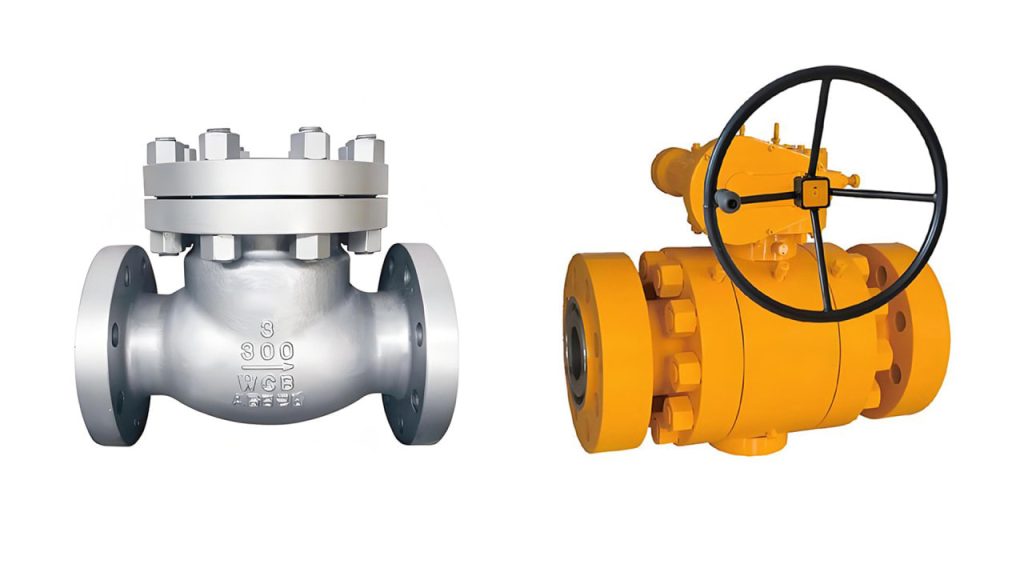
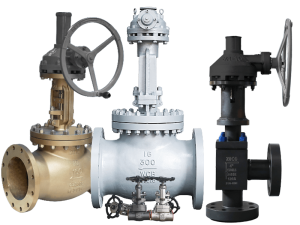
Что такое обратный клапан?
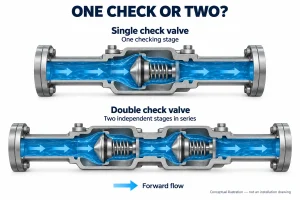
Обратный клапан - это как улица с односторонним движением для жидкостей.
Он автоматически пропускает поток в одном направлении и блокирует его в обратном направлении. Ручное управление не требуется.
Считайте его защитником вашей системы от обратного тока.
Как работают обратные клапаны
Вот простая версия:
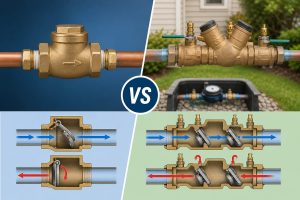
Когда жидкость течет вперед, она толкает внутренний механизм клапана в открытое положение. Когда поток останавливается или изменяет направление, клапан автоматически захлопывается.
Это происходит благодаря:
- Сила пружины
- Гравитация
- Противодавление
- Или их сочетание
В чем прелесть? Она полностью автоматическая. Нет электричества, нет ручного управления, нет необходимости в обслуживающем персонале.
Распространенные типы обратных клапанов
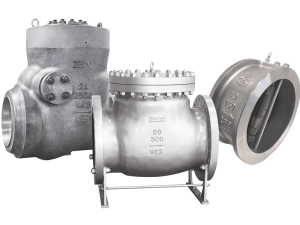
Поворотные обратные клапаны
Самый распространенный тип. Шарнирный диск открывается при прямом потоке и закрывается при обратном потоке.
Лучший вариант для: Трубы большого диаметра и системы с низким перепадом давления.
Шаровые обратные клапаны
Используется шар, который перемещается вверх и вниз в корпусе клапана. Прямой поток поднимает шар с седла. Обратный поток (или сила тяжести) толкает его обратно вниз.
Лучше всего подходит для: Вязкие жидкости и вертикальные трубопроводы.
Пружинные обратные клапаны
Имеет подпружиненный диск. Пружина обеспечивает надежное закрытие даже в условиях низкого давления.
Лучше всего подходит для: Любая ориентация установки и требования к быстрому закрытию.
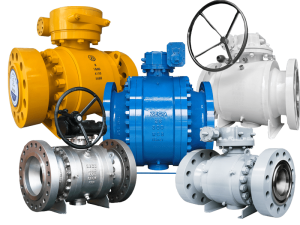
Что такое шаровой кран?
Шаровой кран - это переключатель включения/выключения вашей системы.
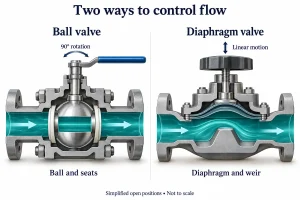
Для управления потоком используется вращающийся шарик с отверстием. Четверть оборота ручки, и вы переходите от полного потока к полному перекрытию.
Принцип работы шаровых кранов
Представьте себе шар с просверленным в нем туннелем.
Когда туннель совпадает с трубой, жидкость течет. Поверните ручку на 90 градусов, и твердая часть шара перекроет путь потоку.
Простота. Надежно. Эффективно.
Именно поэтому шаровые краны используются во всем - от водонагревателя в вашем доме до огромных промышленных трубопроводов.
Типы шаровых кранов
Полнопортовые шаровые краны
Отверстие в шаре соответствует диаметру трубы. Нулевое ограничение при открытии.
Лучше всего подходит для: Области применения, требующие максимальной пропускной способности.
Шаровые краны со стандартным портом
Отверстие составляет около 80% диаметра трубы. Немного ограниченный поток, но более компактный.
Лучший вариант для: Установки с ограниченным пространством, где допустимо некоторое падение давления.
3-ходовые шаровые краны
Может перенаправлять поток между различными портами. Один вход, два выхода (или наоборот).
Лучше всего подходит для: Для смешивания или отвода воды.
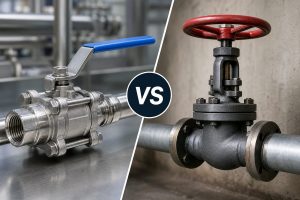
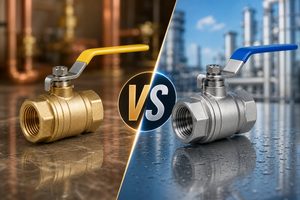
Обратный клапан против шарового клапана: сравнение по принципу "голова к голове
Позвольте мне рассказать о ключевых различиях:
Основная функция
Обратный клапан: Автоматическое предотвращение обратного потока
Шаровой клапан: Ручное управление потоком (вкл./выкл.)
Это и есть фундаментальное различие. Обратные клапаны работают автоматически. Шаровые краны нуждаются в том, чтобы кто-то (или что-то) ими управлял.
Метод работы
Обратный клапан: Самостоятельное управление в зависимости от условий потока
Шаровой клапан: Ручная рукоятка или автоматический привод
Я видел, как инженеры пытались использовать шаровые краны для предотвращения обратного потока. Плохая идея. К тому времени, когда кто-то заметит обратный поток и закроет клапан, ущерб уже будет нанесен.
Возможность управления потоком
Обратный клапан: Без управления - открыто или закрыто в зависимости от расхода
Шаровой клапан: Полный контроль - можно останавливать, запускать или дросселировать поток
(Хотя дросселирование с помощью стандартных шаровых кранов не рекомендуется - это повреждает седла).
Требования к установке
Обратный клапан: Должен быть установлен в правильном направлении потока
Шаровой клапан: Можно устанавливать в любой ориентации
Совет профессионала: Эта стрелка на корпусе обратного клапана? Это не совет. Установите его в обратном порядке, и он не будет работать. Вообще.
Потребности в обслуживании
Обратный клапан: Минимальный - ежегодно проверяйте на износ
Шаровой клапан: Требуется периодическое обслуживание для предотвращения заедания
По моему опыту, шаровые краны на редко используемых линиях обычно заедают. Ежеквартально проверяйте их, чтобы поддерживать в рабочем состоянии.
Когда следует использовать каждый тип клапана
Вот моя простая схема принятия решений:
Используйте обратный клапан, когда:
- Защита насосов от обратного потока
- Установите на нагнетании насоса, чтобы предотвратить обратное вращение
- Предотвращает повреждения от гидроударов
- Предотвращение загрязнения
- Предотвращает попадание грязной воды в чистые системы
- Незаменим при использовании питьевой воды
- Поддержание давления в системе
- Удерживает давление в аккумуляторных баках
- Предотвращает слив воды из вертикальных труб
- Необходимо автоматическое управление
- Отсутствие питания
- Беспилотные объекты
Используйте шаровой кран, когда:
- Требуется ручное отключение
- Изоляция оборудования для технического обслуживания
- Возможность аварийного отключения
- Ожидается частая эксплуатация
- Ежедневные циклы включения/выключения
- Обработка пакетных операций
- Герметичное перекрытие имеет решающее значение
- Применение с нулевой утечкой
- Сохранение опасных жидкостей
- Быстрое управление имеет значение
- Четвертьоборотные и многооборотные задвижки
- Ситуации аварийного реагирования
Примеры из реального мира
Позвольте мне привести несколько примеров из реальных инсталляций:
Пример 1: Проектирование насосной станции
Ситуация: Новая станция подъема сточных вод с тремя насосами
Решение:
- Шаровые краны на всасывании насоса (для изоляции при техническом обслуживании)
- Обратные клапаны на выходе насоса (для предотвращения обратного потока)
- Шаровые краны после обратных клапанов (для изоляции системы)
Такая комбинация обеспечивает как автоматическую защиту, так и ручное управление.
Пример 2: Система сжатого воздуха
Ситуация: Воздушный компрессор, питающий несколько рабочих станций
Решение:
- Обратный клапан на выходе компрессора (предотвращает обратный поток воздуха из системы)
- Шаровые краны на каждом рабочем месте (для индивидуального управления)
Обратный клапан защищает компрессор. Шаровые краны позволяют работникам контролировать подачу воздуха.
Пример 3: Система впрыска химических веществ
Ситуация: Хлор закачка в водопроводную сеть
Решение:
- Обратный клапан в точке впрыска (предотвращает подпор основного давления)
- Шаровой кран перед обратным клапаном (для обслуживания и контроля потока)
Если бы не было обратного клапана, давление в магистрали вытолкнуло бы воду обратно в химический бак. Опасно и дорого.
Общие ошибки, которых следует избегать
Я видел эти ошибки бесчисленное множество раз:
Ошибка #1: Использование шаровых кранов для предотвращения обратного потока
Шаровые краны не закрываются автоматически. К тому времени, когда кто-то заметит обратный поток и закроет клапан вручную, ваш насос уже может быть поврежден.
Исправить: Всегда используйте обратные клапаны для автоматического предотвращения обратного потока.
Ошибка #2: установка обратных клапанов задом наперед
Стрелка потока не декоративная. Установите обратный клапан в обратном направлении, и он либо не откроется (нет потока), либо не закроется (нет защиты от обратного потока).
Исправить: Перед установкой дважды проверьте направление потока. Проверьте после установки.
Ошибка #3: дросселирование с помощью стандартных шаровых кранов
Использование частично открытого шарового крана для управления потоком приводит к эрозии седел и созданию турбулентности.
Исправить: Используйте только полные положения "открыто/закрыто". Для дросселирования используйте шаровые краны или специализированные регулирующие клапаны.
Ошибка #4: Неправильная ориентация обратного клапана
Многие обратные клапаны работают только в определенной ориентации. Поворотный обратный клапан, установленный вертикально, не будет работать должным образом.
Исправить: Проверьте требования к ориентации. Подпружиненные чеки работают в любом положении.
Лучшие практики установки
Вот как обеспечить правильную установку:
Для обратных клапанов:
- Проверьте направление потока - Стрелка указывает вниз по течению
- Проверьте спецификации ориентации - Некоторые типы требуют горизонтальной установки
- Обеспечьте прямую прокладку труб - 5 диаметров трубы вверх по течению, 2 диаметра вниз по течению
- Учитывайте доступ - Для последующего осмотра и замены
Для шаровых кранов:
- Установите с зазором для рукоятки - Полный поворот на 90 градусов
- Ориентируйтесь на эргономику - Удобный доступ для операторов
- Вес опорного клапана - Не позволяйте трубам нести нагрузку на клапаны
- Наклейте ярлык - Что он контролирует и нормальное положение
Соображения по размерам
Правильный выбор размера имеет значение для обоих типов:
Определение размеров обратного клапана
Слишком малый размер = большой перепад давления и преждевременный износ
Слишком большой = Клапан может не полностью открыться или дребезжать
Правило большого пальца: Размер для нормальной скорости потока 6-10 футов/сек
Определение размеров шаровых кранов
Обычно соответствует размеру трубы для включения/выключения. Но учтите:
- Требования к Cv (коэффициент расхода)
- Приемлемый перепад давления
- Увеличение будущего потока
Сравнение стоимости
Давайте поговорим о деньгах:
Обратные клапаны: Как правило, дешевле
- Поворотный чек: $50-500 для распространенных размеров
- Проверка шара: $75-750
- Проверка пружины: $100-1000
Шаровые краны: Умеренная ценовая политика
- Бронзовая резьба: $25-250
- Нержавеющий фланцевый: $200-2000
- Автоматизированный: $500-5000+
Но вот в чем дело:
Стоимость клапана ничтожна по сравнению с ценой отказа. Выбирайте по функциям, а не только по цене.
Требования к обслуживанию
Оба типа клапанов относительно неприхотливы в обслуживании, но они не являются необслуживаемыми.
Обслуживание обратного клапана
Ежегодная проверка:
- Проверьте, нет ли утечки
- Прислушайтесь, нет ли разговоров или ударов молотком.
- Проверьте правильность работы
Каждые 3-5 лет:
- Разберите и проверьте внутренние детали
- Замените изношенные седла или диски
- Очистите корпус клапана от мусора
Обслуживание шаровых кранов
Ежеквартально:
- Цикл работы клапана от полностью открытого до закрытого
- Проверьте сопротивление рукоятки
- Проверьте сальник штока на герметичность
Ежегодно:
- Смажьте, если необходимо
- При необходимости подтяните сальник
- Проверьте возможность отключения
Итоги
Вот к чему это приводит:
Обратный клапан в сравнении с шаровым краном дело не в том, что лучше. Речь идет о том, что подходит именно для вашего конкретного применения.
Обратные клапаны = автоматическое предотвращение обратного потока
Шаровые краны = Ручное управление потоком
В большинстве систем необходимо и то, и другое. Они работают вместе, обеспечивая полное управление потоком и защиту системы.
Главное - понимать их различные функции и использовать каждый из них там, где это имеет смысл.
Помните: Обратный клапан не может заменить запорную способность шарового крана. А шаровой кран не может заменить автоматическую защиту обратного клапана.
Выбирайте соответствующим образом, и ваши системы отблагодарят вас годами надежной работы.
Вы все еще не уверены, какой клапан вам нужен? Начните с вопроса: “Нужна ли мне автоматическая защита или ручное управление?”. Ответ всегда укажет вам правильное направление.
В этом и заключается реальная разница между обратный клапан в сравнении с шаровым клапаном Приложения - одно защищает систему автоматически, другое дает вам возможность контролировать ее в нужный момент.