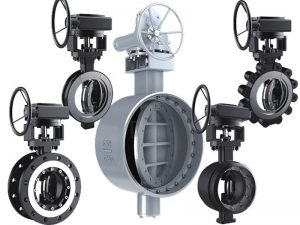
Wafer kelebek vanalar, düşük basınçlı sistemler için iyi çalışan ancak bakım için sistemin tamamen kapatılmasını gerektiren hafif, bütçe dostu seçeneklerdir. Lug kelebek vanaların maliyeti 15-30% daha fazladır ancak bakım için bir tarafı izole etmenize ve 300 PSI'a kadar basınçları idare etmenize olanak tanır. HVAC ve su dağıtımı için gofret vanaları seçin; petrol ve gaz, kimyasal işleme ve sistem kapatmalarını göze alamayacağınız her türlü uygulama için pabuçlu vanaları seçin. Kaçınılması gereken en önemli hata: çıkmaz servis için asla wafer vanalar kullanmayın - kelimenin tam anlamıyla düşerler.
İşte anlaşma:
Bir wafer ve lug kelebek vana arasında seçim yapıyorsanız, muhtemelen sisteminiz için hangisinin doğru olduğunu merak ediyorsunuzdur.
Ve bunu anlıyorum. Yanlış seçim bakım sorunlarına, beklenmedik duruşlara ve bütçelerin aşılmasına yol açabilir.
Bu kılavuzda, bir profesyonel olarak kelebek vana üreticisi, ben kıracağım her şey wafer vs lug kelebek vana seçimi hakkında bilmeniz gerekenler. Gerçek dünyadan örnekler, maliyet karşılaştırmaları ve her bir tipin tam olarak ne zaman kullanılacağı da dahil olmak üzere.
Hadi içeri dalalım.
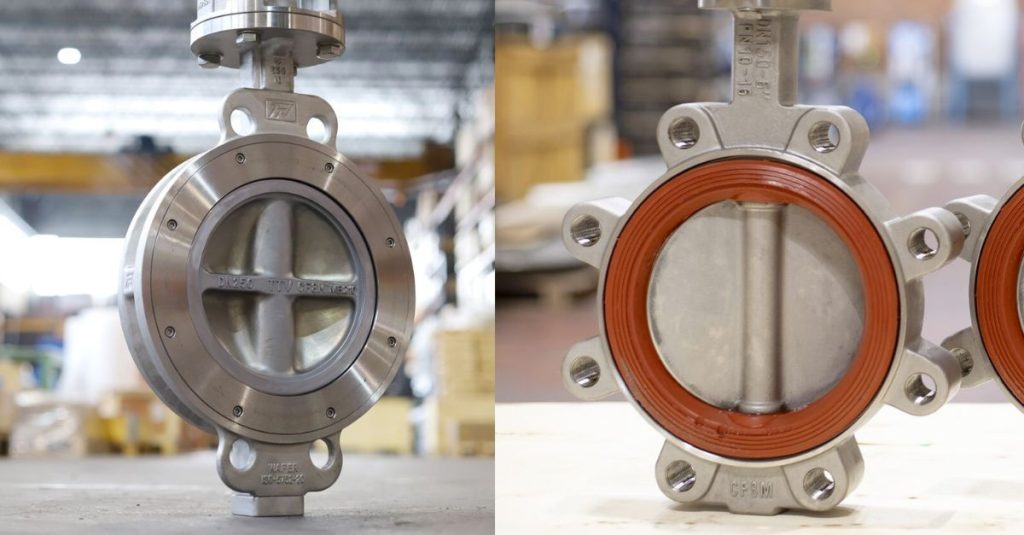
Wafer ve Lug Kelebek Vanalar Arasındaki Gerçek Fark Nedir?
Öncelikle bir şeyi açıklığa kavuşturalım:
Hem wafer hem de lug kelebek vanalar aynı temel işi yapar. Akışı 90 derece dönen bir disk kullanarak kontrol ederler.
Ama işte burada işler ilginçleşiyor:
The temel fark borularınıza nasıl bağlandıklarına bağlıdır. Ve inanın bana, bu küçük görünen ayrıntı, onları nasıl kullanacağınız konusunda BÜYÜK bir fark yaratıyor.
Wafer kelebek vanalar iki boru flanşı arasında sıkışır. Bunu iki dilim ekmek arasındaki bir parça peynir gibi düşünün. Cıvatalar her iki flanştan geçer ve vanayı yerine sıkıştırır.
Lug kelebek vanalar valf gövdesine yerleştirilmiş dişli deliklere (pabuç adı verilir) sahiptir. Her bir flanş doğrudan vanaya cıvatalanır. Sandviç etkisi gerekmez.
Kulağa basit mi geliyor? Evet, öyle. Ancak bu tasarım farkı, bu valflerin gerçek dünyada nasıl performans gösterdiğiyle ilgili HER ŞEYİ değiştirir.
Wafer Kelebek Vana: Basitlik Kazandığında
Kısa bir hikâye paylaşmama izin verin:
Birkaç yıl önce bir su arıtma tesisi için danışmanlık yapıyordum. Düşük basınçlı dağıtım sistemlerindeki düzinelerce vanayı değiştirmeleri gerekiyordu.
Bütçeleri mi? Sıkı. Zaman çizelgeleri? Daha da dar.
Wafer kelebek vanaları tercih ettik. Ve bu mükemmel bir seçimdi.
İşte gofret vanaların sizin için neden doğru olabileceği:
İyi Şeyler
1. Onlar hafif sıklet şampiyonları
Wafer valfler tipik olarak pabuçlu muadillerinden 20-30% daha hafiftir. Bu düşündüğünüzden daha önemlidir. Daha hafif valfler şu anlama gelir:
- Daha kolay kurulum
- Boru destekleri üzerinde daha az stres
- Daha düşük nakliye maliyetleri
2. Bütçe dostu fiyatlandırma
Tecrübelerime göre, wafer vanalar lug vanalardan yaklaşık 15-25% daha ucuza mal oluyor. 50'den fazla valf içeren bir projede? Bu tasarruflar hızla artar.
3. Kompakt tasarım
Wafer vanalar mümkün olan en kısa yüz yüze boyutlara sahiptir. Her inçin önemli olduğu dar alanlar için mükemmeldir.
4. Basit kurulum
Hassas cıvata hizalamasına gerek yoktur. Sadece flanşlar arasında kaydırın ve sıkın. Yetenekli bir teknisyen 20 dakikanın altında bir sürede takabilir.
Çok İyi Olmayan Şeyler
Ancak wafer valfler mükemmel değildir. İşte dikkat etmeniz gerekenler:
En büyük sınırlama? Onları çıkmaz hizmet için kullanamazsınız. Nokta.
(Çıkmaz servis = yukarı akış basıncını korurken aşağı akış borularını çıkarmanız gereken durumlar)
Deneyin, valf kelimenin tam anlamıyla düşecektir. Bunun olduğunu gördüm. Hoş bir şey değil.
Diğer dezavantajlar şunlardır:
- Bakım için bir tarafı izole edemiyorum
- Düşük basınç değerleri (tipik olarak maksimum 150-250 PSI)
- Mükemmel hizalanmış flanşlara ihtiyacınız var
- Vana değişimi için sistemin kapatılmasını gerektirir
Lug Kelebek Vana: Esneklik için Üretildi
Şimdi pabuç valflerinden bahsedelim.
Bunlar endüstriyel uygulamaların yük beygirleridir. Ve bunun iyi bir nedeni var.
Lug Valfler Neden Sallanır?
1. Gerçek izolasyon özelliği
Bu öldürücü bir özelliktir. Bir pabuç valfi ile şunları yapabilirsiniz:
- Yukarı akış basıncını korurken aşağı akış borularını ayırın
- Tüm sistemi boşaltmadan ekipmana servis yapın
- Hat sonu vanası olarak kullanın
Bir keresinde wafer vanalardan lug vanalara geçiş yapan bir kimya fabrikasında çalışmıştım. Bakım duruş süreleri 40% azaldı. Neden mi? Tüm prosesi durdurmadan bölümleri izole edebiliyorlardı.
2. Daha yüksek basınç değerleri
Lug valfler basıncı şampiyonlar gibi idare eder. Çoğu 250-300 PSI için derecelendirilmiştir, bazı özel modeller daha da yükseğe çıkar.
3. Yüksek titreşimli ortamlar için daha iyi
Bu dişli bağlantılar? Titreşim altında gevşemeyen kaya gibi sağlam bir montaj oluştururlar.
4. Kurulum esnekliği
Her iki taraf bağımsız olarak cıvatalanır. Bu şu anlama gelir:
- Kurulum sırasında daha kolay hizalama
- Hafif flanş yanlış hizalamasına uyum sağlayabilir
- Her iki tarafta farklı flanş standartları ile çalışır
Ödünleşmeler
Elbette, pabuçlu valflerin dezavantajları vardır:
- Daha yüksek maliyet (15-30% daha fazla ödemeyi bekleyin)
- Daha ağır (baş üstü kurulumlar için önemlidir)
- Daha uzun kurulum süresi (iki kat cıvata = iki kat iş)
- Daha büyük ayak izi (bu pabuçlar genişlik katar)
Gofret ve Lug Kelebek Vana
Gerçek Dünya Uygulama Karşılaştırması
Bunu sektörlere göre ayırmama izin verin:
Wafer Vanaların Parladığı Yerler
HVAC Sistemleri
- Düşük basınç
- Nadiren izolasyona ihtiyaç duyar
- Mekanik odalardaki alan kısıtlamaları
- Maliyete duyarlı
Belediye Su Dağıtımı
- Orta dereceli basınçlar
- Programlı bakım pencereleri
- Yüksek hacimli vanalar = maliyet önemlidir
Yiyecek ve İçecek
- Temiz uygulamalar
- Düzenli CIP (Yerinde Temizlik) döngüleri
- Sıhhi tasarımlar mevcuttur
Yüzme Havuzları & Kaplıcalar
- Düşük basınç
- Basit açma/kapama kontrolü
- Bütçe bilincine sahip uygulamalar
Lug Valflerin Hakim Olduğu Yerler
Petrol ve Gaz
- Yüksek basınçlar
- Kritik izolasyon gereksinimleri
- Güvenlik yönetmelikleri yedeklilik gerektiriyor
- Aşındırıcı medya kullanımı
Kimyasal İşleme
- Sık bakım ihtiyaçları
- Tehlikeli maddeler güvenli izolasyon gerektirir
- Yüksek sıcaklık/basınç kombinasyonları
Enerji Üretimi
- Buhar ve soğutma suyu sistemleri
- Tam kapanmaları karşılayamayız
- Yüksek çevrim uygulamaları
Madencilik ve Bulamaç Servisi
- Aşındırıcı medya valfleri hızla aşındırır
- Sık valf değişimi gerekir
- İzolasyon süreç kesintisini önler
Kurulum Hesaplaşması
İşte kurulumun tam olarak nasıl farklılaştığı:
Gofret Vana Kurulumu (Hızlı Versiyon)
- Flanş hizalamasını kontrol edin (kritik!)
- Vanayı flanşlar arasına yerleştirin
- Uzun cıvataları her iki flanştan geçirin
- Yıldız şeklinde sıkın
- Test işlemi
Toplam süre: 15-30 dakika
Profesyonel ipucu: Bir valf merkezleme aleti kullanın. Yanlış hizalanmış wafer valfler sızdırır. Hem de her seferinde. Tek. Zaman.
Pabuç Valfinin Takılması (Sağlam Yaklaşım)
- Vanayı yukarı akış flanşına cıvatalayın
- Aşağı akış flanşını hizalayın ve cıvatalayın
- İçten cıvata gerekmez
- Her iki taraf bağımsız olarak sabitlenir
Toplam süre: 30-45 dakika
Fazladan zaman mı? Elde edeceğiniz esneklik için buna değer.
Maliyet Karşılaştırması: Gerçek Rakamlar
Hadi paradan konuşalım. 2026'da tipik olarak gördüğüm şey şu:
6 inçlik bir vana için:
- Gofret: $250-400
- Pabuç: $350-500
12 inçlik bir vana için:
- Gofret: $800-1,200
- Lug: $1,000-1,500
Ama şöyle bir şey var:
İlk maliyet her şey demek değildir. Toplam sahip olma maliyetini göz önünde bulundurun:
Wafer vanalar Peşin para tasarrufu sağlar, ancak bakım sırasında kesinti süresi daha pahalıya mal olur.
Lug valfler Başlangıçta daha pahalıya mal olsa da, önlenen duruşlarda binlerce tasarruf sağlayabilir.
Bir müşteri, önlenen tek bir duruşun, tüm tesislerinde lug vanalara yükseltme için ödeme yaptığını hesapladı.
Doğru Seçimi Yapmak: Benim Karar Çerçevem
İşte gofret ve pabuç kelebek vana seçenekleri arasında seçim yapmak için benim basit çerçevem:
Şu durumlarda WAFER'ı seçin:
- Bütçe birincil endişe kaynağıdır
- Yer son derece sınırlıdır
- Sistem bakım için kapatılabilir
- Basınç 150 PSI'ın altında
- Tek seferlik bir kurulum yapıyorsunuz
Ne zaman LUG'ı seçin:
- İzolasyon kabiliyetine ihtiyacınız var
- Basınç 150 PSI'ı aşıyor
- Bakım esnekliği çok önemlidir
- Bu kritik bir süreç uygulamasıdır
- Vana sık sık servis görecek
Hala emin değil misiniz? Kendine şunu sor:
“Bu vana arızalanırsa, tüm sistemi kapatmayı göze alabilir miyim?”
Cevap hayırsa, bir pabuç valfi kullanın. Ekstra maliyet ucuz bir sigortadır.
Kaçınılması Gereken Yaygın Hatalar
Bu hataları sayısız kez gördüm:
Hata #1: Dikey borularda wafer vanaların kullanılması
Alt destek olmadan sarkabilir ve sızıntı yapabilir. Her zaman destek ekleyin veya pabuçlu valfler kullanın.
Hata #2: Flanş standartlarının karıştırılması
Wafer vanalar uygun flanşlara ihtiyaç duyar. ANSI ile DIN'i karıştırmak mı? Felaket reçetesi.
Hata #3: Wafer valf cıvatalarının aşırı sıkılması
Bu, gövdeyi bozar ve contayı mahveder. Tork spesifikasyonlarına harfiyen uyun.
Hata #4: Tüm pabuçlu vanaların çıkmaz servisi idare ettiğini varsaymak
Bazıları yapmaz! Çıkmaz sokak uygulamaları için her zaman basınç değerini doğrulayın.
İleri Düzey Değerlendirmeler
Bunu okuyan mühendisler için:
Akış Karakteristikleri
Her iki vana tipi de aynı disk tasarımını kullanır, bu nedenle akış katsayıları (Cv) aynıdır. Ancak kurulum performansı etkileyebilir:
- Wafer vanalar zayıf merkezleme ile 5-10% daha yüksek basınç düşüşü gösterir
- Lug valfler kurulumdan bağımsız olarak tutarlı performans sağlar
Otomasyon Hazırlığı
Daha sonra otomatikleştirmeyi mi planlıyorsunuz? Lug valfler aktüatör ağırlığını ve torkunu daha iyi idare eder. Rijit montajları, vana gövdesi üzerinde aktüatör kaynaklı gerilimi önler.
Sıcaklık Döngüsü
Yüksek sıcaklık döngüsü? Lug valfler kazanır. Bağımsız cıvatalama, termal genleşmeyi sandviç tarzı gofret montajından daha iyi karşılar.
Alt Çizgi
İşte her şey buna bağlı:
Wafer kelebek vanalar kritik olmayan uygulamalarda basit, uygun maliyetli akış kontrolüne ihtiyaç duyduğunuzda mükemmeldir. Bunlar kelebek vanaların Honda Civic'idir - güvenilir, uygun fiyatlı ve iş görürler.
Lug kelebek vanalar esneklik, güvenilirlik ve izolasyon kabiliyetine ihtiyaç duyduğunuz zamanlar içindir. Onlar Toyota Land Cruiser'dır - zorlu koşullar için sağlam üretilmiştir ve ekstra yatırıma değer.
Önemli olan, vanayı özel ihtiyaçlarınızla eşleştirmektir. Basit HVAC uygulamaları için lug vanalara fazla para harcamayın. Ancak kritik proses hatlarında wafer vanalarla ucuza kaçmayın.
Unutmayın: Doğru vana en ucuz veya en pahalı olan değildir. Sisteminizin yıllarca sorunsuz çalışmasını sağlayacak olandır.
Artık uygulamalarınızda wafer ve lug kelebek vana tasarımlarını ne zaman kullanacağınızı tam olarak biliyorsunuz. Seçim, özel gereksinimlerinize, bütçenize ve bakım ihtiyaçlarınıza göre çok net olmalıdır.