Hiç bazı odaları sauna gibi hissederken diğerlerinin dondurucu soğuk olduğu bir binaya girdiniz mi?
Olay şu: Bu genellikle bir dengeleme valfi sorunudur.
Ve binanızda eşit olmayan ısıtma veya soğutma ile uğraşıyorsanız, şunları öğrenebilirsiniz balans vanası nasıl ayarlanır ayarlar yeni süper gücünüz olmak üzere.
Bir profesyonel olarak balans vanasi üreti̇ci̇si̇Yıllar boyunca yüzlerce hidronik sistemle bizzat çalıştım. Ve size şunu söyleyebilirim: Doğru ayarlanmış bir balans vanası enerji faturalarınızı 30%'ye kadar azaltabilir.
Çok tatlı, değil mi?
Hızlı Özet:
- Vana tipini belirleyin: manuel vanalar basit sistemlere uygundur; otomatik vanalar veya PIBCV'ler değişken hızlı veya karmaşık ticari sistemler için daha iyidir.
- Manuel vanalar için: tamamen açın, diferansiyel basıncı ölçün, üretici çizelgesini kullanarak GPM'ye dönüştürün, ardından hedef akışa kısıtlayın ve bellek durdurucusunu kilitleyin. Doğrudan okuma valfleri için: şamandıra istenen GPM ile eşleşene kadar ayarlayın.
- Doğru kurulumu sağlayın: ok akış yönü, havalandırma havası, 5D yukarı akış/2D aşağı akış düz hatları sağlayın ve özel koşullar besleme tarafı gerektirmedikçe dönüş tarafı yerleşimini tercih edin.
- Sorun giderme: atlama basıncı = hava; akışa ulaşamama = cılız pompa, tıkalı süzgeç veya boru sorunu; 10 devreden fazla sistemler, buhar, karmaşık bölgeleme veya kod gerektiren sertifikasyon için bir profesyonel çağırın.
İçindekiler tablosu
- Balans Vanası Tam Olarak Nedir?
- Karşılaşacağınız İki Tür
- Adım Adım Ayarlama Kılavuzu
- Kritik Kurulum İpuçları
- Balans Vanalarınızı Nereye Yerleştirmelisiniz?
- Yaygın Dengeleme Stratejileri
- Sık Karşılaşılan Sorunların Giderilmesi
- Enerji Verimliliği Hususları
- Profesyoneller için İleri Düzey İpuçları
- Güvenlikle İlgili Hususlar
- Ne Zaman Bir Profesyonel Çağırılmalı
- Alt Çizgi
Balans Vanası Tam Olarak Nedir?
Ayarlama sürecine geçmeden önce, neyle çalıştığımızı netleştirelim.
Bir dengeleme vanası temel olarak hidronik sisteminizin trafik polisidir. Her bölgenin tam olarak doğru miktarda sıcak veya soğuk su almasını sağlamak için su akışını düzenler.
Şöyle düşünün:
Su tembeldir. Her zaman en az direnç gösteren yolu seçer.
Dengeleme vanaları olmadan mı? En yakın radyatörler tüm sıcak suyu alır. En uzaktakiler mi? Onlar artıkları alır.
(50.000 metrekarelik bir binayı ısıtmaya çalıştığınızda ideal değildir).
Karşılaşacağınız İki Tür
İşte burada işler ilginçleşiyor.
Balans vanası dünyasında iki ana oyuncunuz var:
Manuel (Statik) Balans Vanaları:
- Onları elle ayarlarsınız
- Seçtiğiniz ayarda kalırlar
- Sabit akışlı sistemler için mükemmel
- Genellikle otomatik vanalardan 50-70% daha düşük maliyetlidir
Otomatik (Dinamik) Balans Vanaları:
- Basınç değişikliklerine göre kendi kendini ayarlama
- Otomatik olarak sabit akış sağlar
- Değişken hızlı pompa sistemleri için ideal
- Daha pahalı ama çok daha az bakım gerektiriyor
Profesyonel İpucu: Basit bir konut sistemi ile çalışıyorsanız, manuel vanalar genellikle iyidir. Ama karmaşık ticari binalar için? Otomatik vanalar sizi ileride baş ağrısından kurtaracaktır.
Adım Adım Ayarlama Kılavuzu
Pekala, hadi ellerimizi kirletelim.
Yöntem 1: Manuel Balans Vanalarının Ayarlanması
Bu, zamanın 80%'sinde karşılaşacağınız şeydir.
Adım 1: Araçlarınızı Toplayın
İhtiyacın olacak:
- Bir diferansiyel basınç göstergesi (veya manometre)
- Üreticinin akış şeması
- Bir tornavida (bazen)
- Sisteminizin tasarım akış hızları
Adım 2: Vanayı Tamamen Açın
100% açık olana kadar kolu saat yönünün tersine çevirin. Bu sizin başlangıç noktanızdır.
Adım 3: Göstergenizi Bağlayın
İşte kilit kısım:
- Yüksek basınç (kırmızı) hortumunu bir test portuna takın
- Düşük basınç (mavi) hortumunu diğer bağlantı noktasına bağlayın
- Bağlantılarınızın sıkı olduğundan emin olun (bu konuda bana güvenin)
Adım 4: Hedef Akışınızı Kontrol Edin
Sistem planlarınıza bakın. Söz konusu devre için gerekli GPM'yi (dakika başına galon) bulun.
Plan yok mu? İşte hızlı bir formül:
- Gerekli BTU çıkışı ÷ (500 × sıcaklık düşüşü) = GPM
Adım 5: Akım Akışını Okuyun
Vana üzerindeki fark basıncını ölçün. Daha sonra bu basınç değerini GPM'ye dönüştürmek için üreticinin çizelgesini kullanın.
Adım 6: Hedefe Ayarlayın
Akışı kısıtlamak için vana kolunu yavaşça saat yönünde çevirin. Göstergenizi izleyin. Hedef akış hızına ulaştığınızda durun.
Adım 7: Kilitleyin
Kaliteli vanaların çoğunda "hafıza durdurma" özelliği vardır. Bunu, bakımdan sonra vananın tam konumuna dönmesi için ayarlayın.
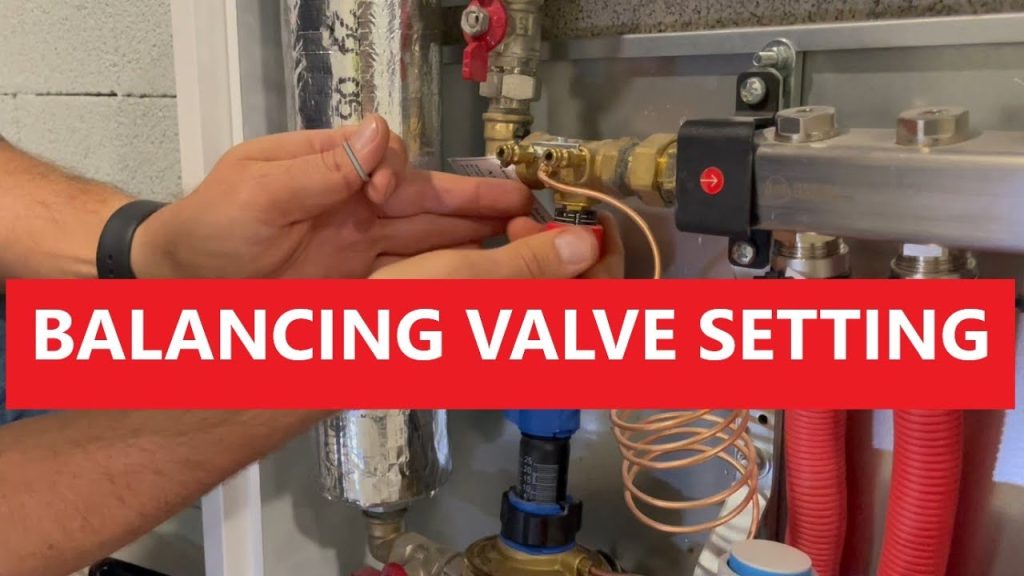
Yöntem 2: Doğrudan Okuma Valflerinin Ayarlanması
Bunlar çok daha kolay (ve bu yüzden daha pahalılar).
Adım 1: Ayarlamanın Yerini Belirleyin
Ayar düğmesini veya yuvasını bulun. Bazen bir alyan anahtarına ihtiyacınız olabilir.
Adım 2: Şamandırayı İzleyin
Pompa çalışırken, şeffaf gözetleme camının içindeki kırmızı şamandırayı gözlemleyin. Ölçek, akış hızınızı GPM veya dakikada litre olarak gösterir.
Adım 3: Ayarlamak için Çevirin
Şamandıra istediğiniz akış hızına oturana kadar ayar vidasını çevirmeniz yeterlidir.
Tamamdır. Cidden, bu kadar.
Kritik Kurulum İpuçları
Ama şöyle bir şey var:
En iyi dengeleme valfi bile yanlış monte edilirse çalışmaz.
Her Zaman Akış Yönünü Kontrol Edin
Her vananın akış yönünü gösteren bir oku vardır. Ters mi taktınız? Okumalarınız tamamen yanlış olacaktır.
(Deneyimli teknisyenlerin bu hatayı yaptığını gördüm. Her seferinde iki kez kontrol edin).
Önce Havayı Boşaltın
Hava kabarcıkları = yanlış okumalar. Ayarlamadan önce sisteminizi daima havalandırın.
Boru Çalışmalarınıza Dikkat Edin
Doğru ölçümler için ihtiyacınız olan:
- 5 boru çapı düz boru yukarı akış
- 2 boru çapı aşağı yönde
Dirsek yok, tişört yok, komik işler yok.
Balans Vanalarınızı Nereye Yerleştirmelisiniz?
Konum önemlidir. Hem de çok.
Dönüş Tarafı Kurulumu (En Yaygın)
90% durumunda, dengeleme valfinizi sistemin dönüş tarafına takın.
Neden mi? Üç nedeni var:
- Dönüş tarafında daha dengeli basınç
- Tüm bölgelerde daha iyi akış dağılımı
- Besleme devrelerinde aşırı ısınmayı önler
Tedarik Tarafı Kurulumu (Özel Durumlar)
Sadece aşağıdaki durumlarda besleme tarafı kurulumunu kullanın:
- Soğutma kuleleri ile çalışma
- Özel soğutucu konfigürasyonları ile başa çıkma
- Üretici özellikle şunları talep etmektedir
Yaygın Dengeleme Stratejileri
Strateji konuşalım.
Orantılı Yöntem
Bu, daha büyük sistemler için altın standarttır:
- Pompadan en uzak devre ile başlayın
- Tasarım akışına göre ayarlayın
- Bir sonraki en yakın devreye geçin
- Pompaya ulaşana kadar tekrarlayın
Doğrudan Yöntem
Daha küçük sistemler için daha iyidir:
- Tüm vanaları tamamen açın
- Toplam sistem akışını ölçün
- Her bir branşı toplam akış yüzdesine göre ayarlayın
- Gerektiği gibi ince ayar yapın
Sık Karşılaşılan Sorunların Giderilmesi
Mükemmel teknikle bile işler ters gidebilir.
Sorun: Hedef Akışa Ulaşılamıyor
Genellikle şu anlama gelir:
- Pompa boyutu küçük
- Boru çapı çok küçük
- Süzgeç tıkalı
- Başka bir valf kısmen kapalı
Sorun: Basınç Değerleri Atlıyor
Bu "sistemde hava var" diye bağırıyor. Kapatın, havasını iyice alın, tekrar deneyin.
Sorun: Diğer Bölgeler Açıldığında/Kapandığında Akış Değişiyor
Otomatik dengeleme vanalarına veya farklı bir pompalama stratejisine ihtiyacınız var. Manuel valfler basınç değişikliklerini telafi edemez.
Enerji Verimliliği Hususları
İşte çoğu insanın gözden kaçırdığı şey:
Doğru dengeleme sadece konforla ilgili değildir. Parayla da ilgili.
Dengesiz bir sistem pompanızı daha fazla çalışmaya zorlar. Bazı bölgeler aşırı ısınır (enerji israfı). Diğerleri az ısınır (daha uzun çalışma sürelerine zorlar).
Dengelemeyi doğru yaptınız mı? Görebilirsin:
- 20-30% pompa enerjisinde azalma
- Toplam ısıtma/soğutma maliyetlerinde 15% azalma
- Daha uzun ekipman ömrü (daha az aşınma ve yıpranma)
Profesyoneller için İleri Düzey İpuçları
Dengeleme oyununuzu bir üst seviyeye taşımak ister misiniz?
Dijital Debi Ölçerler Kullanın
Analog göstergelerden kurtulun. Dijital sayaçlar size şunları verir:
- 0,1% doğruluk (analog için 5-10%'ye karşı)
- Veri kaydı yetenekleri
- Bluetooth uzaktan izleme için bağlantı
PIBCV'leri göz önünde bulundurun
Basınçtan Bağımsız Dengeleme Kontrol Valfleri dengeleme ve kontrolü tek bir cihazda birleştirir. Pahalıdırlar ancak karmaşık sistemleri önemli ölçüde basitleştirebilirler.
Her Şeyi Belgeleyin
Gösteren bir dengeleme raporu oluşturun:
- Her bir vananın konumu
- Tasarım ve gerçek akış hızları
- Valf pozisyonları
- Tarih ve teknisyen adı
Bu, daha sonra sorun giderme için çok değerli hale gelir.
Güvenlikle İlgili Hususlar
Seni tek parça halinde tutalım:
- Valfin basınç değerini asla aşmayın
- Uygun KKD kullanın (sıcak su yanıkları şaka değildir)
- Göstergeleri bağlamadan önce pompaları kilitleyin
- İş sahasından ayrılmadan önce sızıntı olup olmadığını kontrol edin
Ne Zaman Bir Profesyonel Çağırılmalı
Bakın, ben kendin yap taraftarıyım. Ama bazen desteğe ihtiyaç duyarsınız.
Ne zaman bir profesyonel çağırın:
- 10'dan fazla devreli sistemlerle ilgilenme
- Buhar sistemleri ile çalışma
- Binanızın karmaşık bir imarı var
- Yerel yasalar sertifikalı dengeleme gerektirir
Alt Çizgi
Öğrenme balans vanası nasıl ayarlanır sistemleri doğru bir şekilde kullanmak, gitar akort etmeyi öğrenmek gibidir.
Pratik yapmak gerekir. Ama bir kere anladın mı? Her şey... işe yarıyor.
Isıtma ve soğutmanız daha verimli hale gelir. Enerji faturalarınız düşer. Ve o sıcak/soğuk nokta şikayetleri? Yok olurlar.
Bir bölgeyle başlayın. Zaman ayırın. Çalışmalarınızı belgeleyin.
Siz farkına bile varmadan, bir profesyonel gibi tüm binaları dengeleyeceksiniz.
Unutmayın: Başarılı balans valfi ayarının anahtarı sabır ve hassasiyettir. İşi aceleye getirirseniz, gelecek hafta sorunları düzeltmek için geri dönersiniz. İlk seferde doğru yapın ve sistem yıllarca sorunsuz çalışsın.