Su borularınızın neden o garip patlama seslerini çıkardığını hiç merak ettiniz mi?
Ya da sulama sisteminiz neden aniden basınç kaybediyor?
Olay şu: Muhtemelen bir hava sorununuz var. İşte tam da bu noktada hava valfleri devreye giriyor.
İçindekiler tablosu
- Hava Valfi Nedir
- Hava Valfleri Neden Düşündüğünüzden Daha Önemlidir?
- 3 Tip Hava Vanası (Ve Her Birinin Ne Zaman Kullanılacağı)
- Hava Valfleri Nereye Takılır (Stratejik Yaklaşım)
- Hava Valfleri Gerçekte Nasıl Çalışır (Basit Açıklama)
- Yaygın Hava Valfi Sorunları (Ve Nasıl Giderilecekleri)
- Hava Valflerinin Boyutlandırılması (Doğru Yol)
- En İyi Kurulum Uygulamaları
- Gerçekten Önemli Olan Bakım
- 2025 için İleri Düzey Değerlendirmeler
- Yanlış Yapmanın Bedeli
- Eylem Planınız
- Alt Çizgi
Hava Valfi Nedir
Nedir hava vanası? Sıvı boru sistemlerindeki hava akışını otomatik olarak kontrol eden mekanik bir cihazdır. Bunu su sisteminizin akciğerleri olarak düşünün - gerektiğinde sıkışan havayı serbest bırakır ve tehlikeli vakumları önlemek için havanın içeri girmesine izin verir.
Oldukça basit, değil mi?
Ama şöyle bir şey var:
Yanlış seçim hava vanası (veya bunları tamamen atlamak) bazı ciddi sorunlara yol açabilir. Boru hasarı, düşük verimlilik ve hatta tamamen sistem arızasından bahsediyoruz.
Bu kılavuzda, bir profesyonel olarak hava valfi üreticisiHava valfleri hakkında bilmeniz gereken her şeyi açıklayacağım. Laf kalabalığı yok. Sadece hemen kullanabileceğiniz uygulanabilir bilgiler.
Hadi içeri dalalım.
Hava Valfleri Neden Düşündüğünüzden Daha Önemlidir?
Bak:
Çoğu insan bir şeyler ters gidene kadar hava valfleri hakkında düşünmez.
Büyük hata.
İşte borularınızda hava sıkıştığında ne olacağı:
Azaltılmış verimlilik: Hava cepleri pompaları daha fazla çalışmaya zorlayan tıkanıklıklar yaratır. Uygun hava valfleri olmayan sistemlerde enerji tüketiminin 30%'ye kadar arttığını gördüm.
Su çekici: Şu yüksek sesler mi? Bu su darbesidir. Ve sadece can sıkıcı değildir - borularınızı tam anlamıyla tahrip edebilir.
Korozyon: Sıkışan havadaki oksijen boru korozyonunu hızlandırır. Bir çalışmada, hava vanası olmayan boruların, uygun havalandırması olanlara göre 40% daha hızlı korozyona uğradığı bulunmuştur.
Hatalı ölçüm: Hava cepleri akış ölçerleri bozarak faturalandırma hatalarına ve sistem verimsizliğine yol açar.
Sonuç olarak?
Hava valfleri isteğe bağlı değildir. Her türlü sıvı boru sistemi için gereklidirler.
3 Tip Hava Vanası (Ve Her Birinin Ne Zaman Kullanılacağı)
Tüm hava valfleri eşit yaratılmamıştır.
Aslında üç ana tip vardır. Ve her biri belirli bir amaca hizmet eder:
1. Hava Tahliye Valfleri (Küçük Orifis)
Bunlar, bu sektörün yük beygirleri. hava vanası Dünya.
Hava tahliye vanaları basınçlı sistemlerdeki küçük hava ceplerini sürekli olarak tahliye eder. Normal çalışma sırasında sudan ayrılan çözünmüş havayı gidermek için mükemmeldirler.
Ne zaman kullanılmalı: Bunları sisteminizde havanın doğal olarak biriktiği yüksek noktalara monte edin.
Profesyonel ipucu: Optimum performans için uzun boru hatlarında her 800 metrede bir yerleştirin.
2. Hava ve Vakum Valfleri (Büyük Orifis)
Bunları ağır kaldırıcılar olarak düşünün.
Hava ve vakum valfleri büyük hacimlerde havayı idare eder:
- Boru hattı dolumu
- Sistemin boşaltılması
- Ani basınç düşüşleri
Havanın hızla içeri veya dışarı girmesini sağlamak için genişçe açılırlar ve boruları çökertebilecek vakum oluşumunu önlerler.
Ne zaman kullanılmalı: Pompa istasyonlarında ve boru bölümlerini boşaltabileceğiniz her yerde kritiktir.
3. Kombinasyon Hava Valfleri
İkisi arasında karar veremiyor musunuz? İkisini de alın.
Kombinasyon valfleri (çift delikli valfler olarak da adlandırılır) hem hava tahliye hem de hava ve vakum valflerinin işlevlerini tek bir ünitede birleştirir.
Ne zaman kullanılmalı: Bunlar çoğu uygulama için idealdir, özellikle de hangi tipe ihtiyacınız olduğundan emin değilseniz.
Hava Valfleri Nereye Takılır (Stratejik Yaklaşım)
Konum önemlidir.
Hem de çok.
Hava valflerini yanlış yere monte ederseniz, pahalı birer süs eşyasına dönüşürler.
İşte benim kanıtlanmış yerleştirme stratejim:
Yüksek Puanlar Kritiktir
Hava sudan daha hafiftir. (Açıkçası.)
Böylece sisteminizdeki en yüksek noktalara yükselir. İşte orada mutlak hava valflerini takın.
Buna şunlar dahildir:
- Boru hattı zirveleri
- Geçici yüksek noktalar
- Eğimdeki değişiklikler
Uzun Boru Çalışmalarının da Sevgiye İhtiyacı Var
Nispeten düz bölümlerde bile, her 500-800 metrede bir hava valfleri takın.
Neden?
Çünkü hava mesafe boyunca birikir. Ve küçük kabarcıklar birleşerek daha büyük, daha sorunlu hava ceplerine dönüşür.
Akış Kontrol Cihazlarından Sonra
Pompalar, valfler ve akış kısıtlayıcılar türbülans yaratır.
Türbülans = hava sürüklenmesi.
Hava tahliye valflerini daima aşağı yönde monte edin:
- Pompalar
- Kontrol vanaları
- Akış ölçerler
- Basınç düşürücü vanalar
İzolasyon Valflerinden Önce ve Sonra
Hızlı kapanan vanalar vakum koşulları yaratabilir.
Çalışma sırasında hasarı önlemek için her iki tarafa da hava ve vakum valfleri takın.
Hava Valfleri Gerçekte Nasıl Çalışır (Basit Açıklama)
Mekaniği açıklayayım:
Hava tahliye vanaları için:
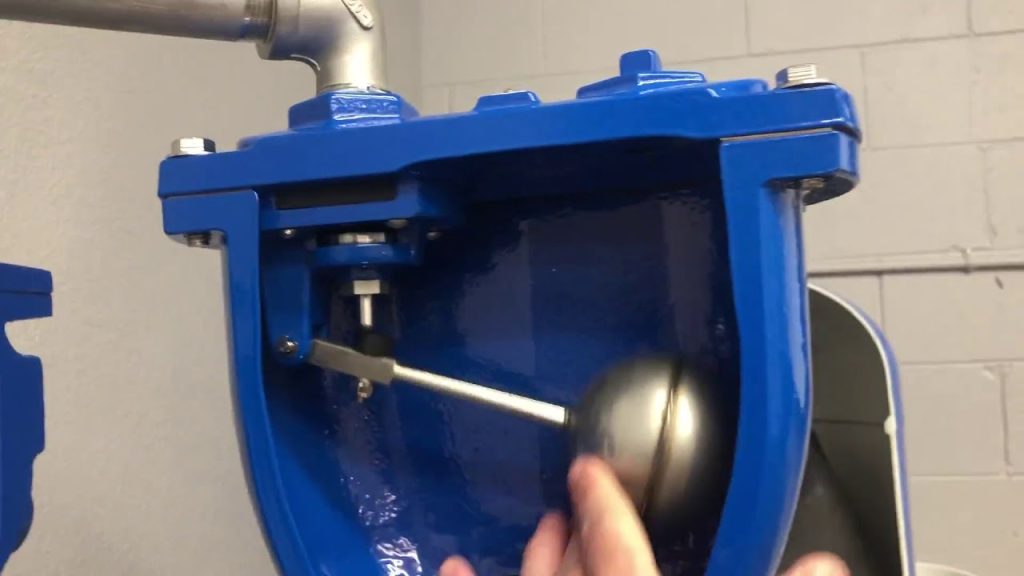
- Valf haznesinde hava birikir
- Hava suyun yerini aldıkça şamandıra düşer
- Bu küçük bir delik açar
- Su tekrar yükselene kadar hava kaçar
- Şamandıra yükselir ve deliği kapatır
Hava ve vakum valfleri için:
- Boru boşken büyük şamandıra açık kalır
- Dolum sırasında su yükselerek havayı dışarı iter
- Şamandıra su seviyesi ile yükselir
- Boru dolduğunda contalar kapanır
- Basınç atmosferik basıncın altına düşerse tekrar açılır
Oldukça basit, değil mi?
Ama çoğu insanın gözden kaçırdığı şey şu:
Şamandıra tasarımı çok önemlidir. Ucuz vanalarda su ile dolabilen içi boş plastik şamandıralar kullanılır. Kaliteli vanalar, onlarca yıl dayanan sağlam paslanmaz çelik veya mühendislik ürünü polimer şamandıralar kullanır.
Yaygın Hava Valfi Sorunları (Ve Nasıl Giderilecekleri)
En iyi hava valfleri bile arızalanabilir.
İşte gördüğüm en yaygın sorunlar:
Sorun 1: Valf Kapanmıyor
Semptomlar: Vanadan sürekli su püskürtme
Nedenler:
- Contayı tıkayan döküntüler
- Aşınmış sızdırmazlık yüzeyleri
- Hasarlı şamandıra
Düzeltme: Dahili bileşenleri temizleyin veya değiştirin
Sorun 2: Valf Açılmıyor
Semptomlar: Valf varlığına rağmen hava birikmesi
Nedenler:
- Tıkalı orifis
- Sıkışmış şamandıra
- Yanlış vana tipi
Düzeltme: Sökün ve temizleyin veya doğru vana tipiyle değiştirin
Sorun 3: Hava Vanalarına Rağmen Su Darbesi
Semptomlar: Çarpma sesleri, basınç artışları
Nedenler:
- Valfler çok hızlı kapanıyor
- Yetersiz hava vanası kapasite
- Kötü valf yerleşimi
Düzeltme: Yavaş kapanan vanalar takın veya daha fazlasını ekleyin hava vanası kapasite
Hava Valflerinin Boyutlandırılması (Doğru Yol)
İşte birçok mühendisin hata yaptığı yer burasıdır.
Hava valflerini yalnızca boru çapına göre boyutlandırırlar.
Büyük hata.
Doğru boyutlandırma dikkate alınır:
- Akış hızı: Daha yüksek akışlar daha büyük vanalara ihtiyaç duyar
- Çalışma basıncı: Hava tahliye kapasitesini etkiler
- Boru hattı profili: Daha fazla yükseklik değişikliği = daha fazla hava işleme ihtiyacı
- Doluluk oranı: Hızlı dolum sistemleri daha büyük deliklere ihtiyaç duyar
Üretici boyutlandırma çizelgelerini kullanın, ancak unutmayın:
Küçük boyutlandırmaktansa biraz büyük boyutlandırmak daha iyidir. Büyük boyutlu bir valf hala çalışır. Cılız bir valf sorunlara neden olur.
En İyi Kurulum Uygulamaları
Hava valflerinizin uzun ömürlü olmasını mı istiyorsunuz?
Bu kurulum ipuçlarını izleyin:
Uygun Destek Kullanın
Hava valfleri, özellikle büyük modeller ağır olabilir.
Vana ağırlığının boru hattını zorlamasına asla izin vermeyin. Beton pedler veya çelik destekler kullanın.
İzolasyon Valflerini Takın
Her zaman her bir kapatma vanasının altına bir kapatma vanası takın hava vanası.
Bu, servis vermenizi sağlar hava vanası tüm sistemi boşaltmadan.
Valf Odalarını Düşünün
Dondurucu iklimlerde veya trafiğin yoğun olduğu bölgelerde, koruyucu bölmelere hava valfleri takın.
Bu, hasarı önler ve bakımı kolaylaştırır.
Taburcu Olmayı Düşünün
Hava valfleri çalışma sırasında su boşaltabilir.
Tahliyeyi elektrikli ekipmanlardan ve yürüme yollarından uzağa yönlendirin. Kötü planlanmış vana yerleşimi nedeniyle çok fazla kayma tehlikesi gördüm.
Gerçekten Önemli Olan Bakım
Çoğu hava valfi oldukça kurşun geçirmezdir.
Ancak bakım gerektirmezler.
İşte benim önerdiğim program:
Aylık:
- Sızıntılar için görsel inceleme
- Tahliye alanlarının temiz olduğunu kontrol edin
Yıllık:
- Egzersiz izolasyon valfleri
- Valf iç kısımlarını temizleyin
- Şamandıra çalışmasını kontrol edin
- Aşınmış contaları değiştirin
Her 5 yılda bir:
- Komple yeniden inşa veya değiştirme
- Basınç test vanasının çalışması
Profesyonel ipucu: Elinizde yedek parça bulundurun. Bir vana arızalandığında, hızlıca tamir etmek istersiniz.
2025 için İleri Düzey Değerlendirmeler
The hava vanası endüstri yerinde saymıyor.
İşte yenilikler:
Akıllı Hava Valfleri
Yeni modeller izleyen sensörler içerir:
- Hava tahliye frekansı
- Valf çalışma döngüleri
- İç basınç
Bu veriler sistem performansını optimize etmeye ve bakım ihtiyaçlarını tahmin etmeye yardımcı olur.
Anti-Slam Teknolojisi
Yüksek performanslı vanalar artık çarparak kapanmayı önleyen özellikler içeriyor. su çekici Risk.
Aşırı Gerilim Koruma Entegrasyonu
Modern kombinasyon vanaları genellikle ek boru hattı koruması sağlayan dalgalanma önleme özellikleri içerir.
Yanlış Yapmanın Bedeli
Kısa bir hikâye paylaşmama izin verin:
Geçen yıl, tekrarlanan boru arızaları yaşayan bir belediye su sistemine danışmanlık yaptım.
Suçlu mu? Yetersiz hava vanası kapsama alanı.
Düzeltme, hava vanalarında $50,000'e mal oldu.
Ancak onları yıllık boru onarımlarından ve su kaybından $500,000+ tasarruf ettirdi.
Bu, yalnızca ilk yılda 10 kat getiri demektir.
Eylem Planınız
Sisteminizi optimize etmeye hazır mısınız?
İşte yapmanız gerekenler:
- Mevcut hava valflerinizi denetleyin: Konumlarını ve koşullarını haritalandırın
- Boşlukları belirleyin: Yüksek noktaları ve vanasız uzun koşuları arayın
- Doğru boyut: Tahmin değil, üretici araçlarını kullanın
- Stratejik olarak kurun: Yukarıdaki yerleştirme yönergelerini takip edin
- Düzenli bakım yapın: Bir bakım programı oluşturun ve buna sadık kalın
Alt Çizgi
Nedir hava vanası?
Boru hattınızın hava ile ilgili sorunlara karşı sigorta poliçesidir. Su darbesini önlemekten enerji maliyetlerini düşürmeye kadar, uygun hava vanası seçim ve yerleştirme yıllarca kâr payı öder.
Sorunların ortaya çıkmasını beklemeyin. Senin olsun hava vanası en başından beri strateji.
Borularınız (ve bütçeniz) size teşekkür edecek.