Краткое резюме
- Шаровые краны идеально подходят для чистых жидкостей, высокой скорости цикла и автоматизации благодаря низкому крутящему моменту и простоте управления.
- Плунжерные клапаны обеспечивают более плотное уплотнение в абразивных, вязких или высокотемпературных средах, а модели со смазкой герметично закрывают газовые линии.
- При выборе учитывайте тип жидкости, частоту циклов и последствия утечек; не позволяйте одной лишь цене определять решение, так как общая стоимость владения может оказаться более выгодной для плунжерных клапанов в тяжелых условиях эксплуатации.
У вас есть система, которая работает с неприятной абразивной жижей. А может быть, вы подаете газ под высоким давлением по чистой линии. Вам нужен четвертьоборотный клапан, который просто работает.
Выбор между шаровым и пробковым краном не сводится к выбору “лучшего” крана. Речь идет о том, чтобы подобрать клапан в соответствии с тем, что течет по вашим трубам. Неправильный выбор - и вы столкнетесь с утечками, высоким крутящим моментом, который сжигает приводы, или с клапаном, который выходит из строя в течение нескольких недель.
Я разговаривал с инженерами заводов, которые перешли на новый клапан, и внезапно их кошмары, связанные с техническим обслуживанием, исчезли. Другие продолжали использовать шаровые краны в абразивных средах и потом пожалели об этом.
Сегодня, как профессиональный производитель шаровых кранов, Я собираюсь разобрать спор между шаровым и пробковым краном. Я покажу вам, чем они отличаются друг от друга, в чем преимущества каждого из них и как выбрать подходящий для конкретного применения. Никакой пушистости. Только практические, применимые на практике вещи.
Давайте погрузимся.
Почему выбор клапана имеет большее значение, чем вы думаете
Прежде чем перейти к деталям, давайте поговорим о том, что поставлено на карту.
По данным IMARC, объем мирового рынка промышленной арматуры в 2023 году составит $73,7 миллиарда. По прогнозам, к 2032 году он достигнет $128,6 миллиарда. Это очень много клапанов. Множество систем, в которых один неверный выбор может означать простои, угрозу безопасности и потерю денег.
Как шаровые, так и пробковые краны четвертьоборотные клапаны. Вы поворачиваете ручку (или привод) на 90 градусов, и поток переходит из полностью открытого в полностью закрытый. Все просто. А внутренний механизм? Вот где все становится интересным и где разница действительно имеет значение.
Вот что мы рассмотрим:
- Основные различия в дизайне (без жаргонизмов)
- Герметичность: какой из них обеспечивает герметичное перекрытие?
- Крутящий момент и простота управления
- В чем преимущества каждого клапана (реальное применение)
- Техническое обслуживание, срок службы и стоимость с течением времени
- Простая схема, позволяющая выбрать подходящий вариант прямо сейчас
Звучит неплохо? Давайте начнем с самого главного: как они устроены.
Шаровой кран против плунжерного клапана: Разница в конструкции
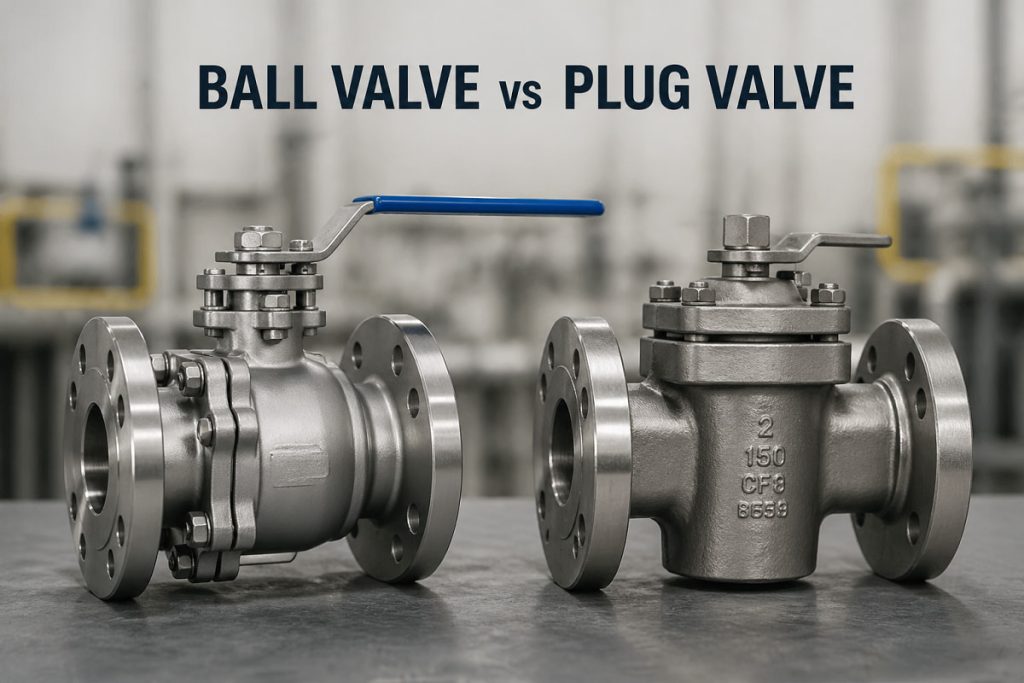
Давайте сразу проясним одну вещь. Оба клапана останавливают или запускают поток, вращая внутренний компонент. Но форма и механика этого компонента меняют все.
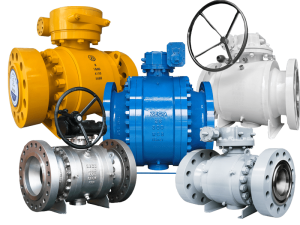
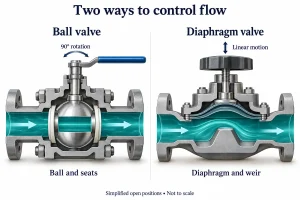
Шаровой кран Используется сферический шар с отверстием (скважиной) по центру. Когда отверстие совпадает с трубой, поток проходит. При повороте на 90 градусов твердая часть шара перекрывает проход. Шар плавает между двумя мягкими седлами или поддерживается цапфами в больших размерах.
Плунжерный клапан Используется коническая или цилиндрическая пробка с полым проходом. Идея та же: поверните пробку, и проход либо выровняется с потоком, либо закроет его. Пробка находится внутри соответствующего конического корпуса или втулки.
А вот и та часть, которую большинство людей упускает:
Поскольку плунжер имеет гораздо большую площадь контакта с корпусом клапана, он создает сверхплотное уплотнение - но за это приходится платить. Большая площадь поверхности означает повышенное трение и более высокий крутящий момент. Таким образом, вы получаете невероятную герметичность, но его сложнее повернуть. Шаровой кран с его меньшими точками контакта (только седла с шаром) требует меньшего усилия для работы. Меньше крутящий момент - проще автоматизация.
Совет профессионала: В полевых условиях я видел, как операторы повреждали плунжерные клапаны, нажимая на них штангами. Если вам нужен плунжерный клапан, планируйте использовать редукторные операторы или приводы, способные выдержать крутящий момент.
Шаровой кран против плунжерного клапана: Подробное сравнение
Эффективность герметизации: Что лучше останавливает протечки?
Если вам нужно абсолютное, без капель, герметичное перекрытие - особенно при работе с газом или опасными жидкостями - то вам подойдет именно это устройство. шаровой кран против плунжерного клапана Дебаты становятся реальными.
Здесь, как правило, выигрывают плунжерные клапаны. Конический плунжер заклинивается в корпусе, создавая массивное уплотнение металл-металл или металл-втулка. Плунжерные клапаны со смазкой делают еще один шаг вперед. Между плунжером и корпусом впрыскивается герметик, заполняющий все микроскопические зазоры. Для трубопроводов природного газа это принципиально важно. Я видел, что газораспределительные компании используют смазанные заглушки почти исключительно потому, что утечка - это не просто неприятность, это событие, связанное с безопасностью.
Шаровые краны? Они также герметичны благодаря мягким седлам (часто PTFE или армированный тефлон). Когда шарик прижимается к этим седлам, вы получаете герметичное уплотнение в чистом виде. Но вот в чем загвоздка: если в жидкости присутствуют твердые частицы - песок, частицы ржавчины или шлам, - эти частицы могут поцарапать шарик или попасть в седла. Как только это произойдет, у вас появится место утечки. Я видел, как шаровые краны выходили из строя за несколько месяцев при работе со шламом, в то время как несмазанный пробковый клапан с втулкой служил годами.
Итог?
- Плунжерный клапан: Превосходное уплотнение при работе с грязными, абразивными или высоковязкими жидкостями. Отлично подходит для газа.
- Шаровой клапан: Отличное уплотнение в чистых жидкостях. Менее чувствителен к частицам.
Крутящий момент и работа: Почему простота использования имеет значение
Именно здесь шаровые краны выходят на первый план.
Поскольку шар соприкасается только с седлом, рабочий момент невелик. Вы можете повернуть 2-дюймовый шаровой кран одной рукой. Даже большие размеры, если они смонтированы на цапфе, остаются управляемыми. Это означает, что вы можете использовать более компактные и дешевые электрические или пневматические приводы. Для автоматизированных систем это существенная экономия средств.
Плунжерные клапаны? Совсем другое дело. Плунжер трется о большую уплотнительную поверхность. Даже при наличии смазки требуется большее усилие. Плунжерные клапаны с втулками без смазки несколько снижают это трение - втулка действует как вкладыш с низким коэффициентом трения, но крутящий момент все равно выше, чем у аналогичного шарового крана. При больших размерах в стандартную комплектацию входят редукторы.
Если ваша задача требует частой цикличности (несколько раз в день) или удаленной автоматизации, я бы склонился к шаровому крану. Меньший крутящий момент означает меньший износ привода и меньшее потребление энергии.
Совет профессионала: Сравнивая стоимость приводов, не смотрите только на ценник крана. Плунжерный клапан может быть дешевле в покупке, но если для него требуется массивный привод, общая стоимость установки может измениться в пользу шарового крана. Всегда просчитывайте цифры с учетом автоматизации.
Характеристики потока и перепад давления
Это может вас удивить: полнопроходной шаровой кран обеспечивает почти нулевое падение давления. Отверстие имеет тот же размер, что и труба, поэтому поток проходит прямо через него. Это все равно что иметь отрезок трубы с ручкой. Отличный вариант для систем, где нельзя допустить потерь давления.
Плунжерные клапаны, особенно с прямоугольными отверстиями, также обеспечивают хороший поток. Но некоторые конструкции могут создавать турбулентность или небольшое падение давления, поскольку отверстие плунжера не всегда идеально круглое или полноразмерное. Эксцентриковые плунжерные клапаны улучшают эту ситуацию, но они все равно не так обтекаемы, как полнопортовые шаровые краны.
Если ваш процесс требует максимальной эффективности потока, полнопортовый шаровой кран - ваш лучший друг.
Применение в реальном мире
Вы хотите знать, куда на самом деле идут эти клапаны. Вот разбивка, основанная на том, что я видел на заводах и нефтеперерабатывающих предприятиях.
Вставные клапаны любят такие среды:
- Нефтеперерабатывающие заводы и газопроводы (особенно смазанные плунжерные клапаны для герметичного перекрытия газа)
- Шламовые, грязевые и канализационные линии (протирающее действие пробки очищает от мусора)
- Химическая обработка с коррозионными, вязкими или липкими жидкостями
- Высокотемпературные области применения, в которых уплотнения "металл-металл" не имеют аналогов
Шаровые краны занимают доминирующее положение:
- Водоочистные сооружения (чистая вода, низкий крутящий момент, надежность)
- Системы ОВКВ и обслуживание зданий
- Обработка пищевых продуктов и напитков (санитарные конструкции, легкая очистка)
- Передача газа и углеводородов под высоким давлением
- Автоматизированные технологические процессы, где требуется быстрая и частая цикличность
Я даже видел шаровые краны, используемые в подводных системах с давлением до 10 000 фунтов на квадратный дюйм. Попробуйте сделать это со стандартным пробковым клапаном, и вам понадобится кран, чтобы повернуть его.
Обслуживание и срок службы
Никто не любит менять клапаны каждый год. Так какой же из них прослужит дольше?
Это полностью зависит от того, что через него протекает.
В чистых условиях эксплуатации шаровой кран может работать десятилетие без необходимости обслуживания. Седла со временем изнашиваются, но в трехсекционном шаровом кране их можно заменить, не вырезая кран из линии. Сладкий.
При грязной эксплуатации шаровой кран будет разъедать седла. Плунжерный клапан, с другой стороны, при каждом цикле работы выполняет очищающее действие. Этот эффект самоочистки выталкивает частицы с дороги. Плунжерные клапаны со смазкой нуждаются в периодическом впрыскивании герметика, что является задачей технического обслуживания, но это лучше, чем замена всего клапана.
Многие забывают об одной вещи: плунжерные клапаны легче чистить изнутри. Заглушка вынимается после снятия колпака. Шаровые краны? Шар находится глубоко внутри. Очистка полости корпуса может быть мучительной. Для санитарных систем это имеет значение.
Если вы имеете дело с автоматикой с высоким циклом работы, шаровые краны выигрывают по долговечности, поскольку меньший крутящий момент снижает механическое напряжение. Меньше напряжение - меньше отказов.
Стоимость: дело не только в цене покупки
Часто можно услышать, что шаровые краны дороже. И если речь идет только о кране, то это может быть правдой - особенно в случае использования экзотических материалов или классов высокого давления.
Но вот в чем дело: Первоначальная стоимость - это только часть истории.
Допустим, вы подбираете 6-дюймовый клапан для абразивной суспензии. Дешевый шаровой кран может выйти из строя через шесть месяцев. Вы замените седла, возможно, шар и столкнетесь с простоем. Плунжерный клапан стоит на 20-30% дороже, но он прослужит пять лет при базовой смазке. В течение 10 лет общая стоимость владения плунжерным клапаном может быть вдвое меньше, чем шаровым.
С другой стороны, для чистой воды с автоматизированным приводом меньший крутящий момент шарового крана означает, что вы можете выбрать меньший и более дешевый привод. Комбинированный пакет клапан+привод может быть дешевле, чем комплект плунжерный клапан.
Мое правило: Если жидкость чистая и давление умеренное, шаровые краны обычно выигрывают по стоимости жизненного цикла. Если жидкость сложная (суспензия, вязкая, коррозионная), посчитайте стоимость плунжерного крана. Вы можете быть удивлены.
Рамки принятия решений: Как сделать выбор за 30 секунд
Я обещал вам простую основу. Вот она.
Задайте себе эти три вопроса:
1. Что течет? Чистая жидкость или газ? Шаровой клапан. Абразивная, вязкая или грязная жидкость? Плунжерный клапан. 2. Как часто он будет повторяться? Частая автоматизация? Шаровой кран (низкий крутящий момент). Нечастое, плотное перекрытие? Плунжерный клапан. 3. Что грозит в случае утечки? Газ или опасные вещества? Смазанный плунжерный клапан. Вода или неопасные вещества? Подойдет любой из них, но шаровой проще.
Вы все еще застряли? Воспользуйтесь этой быстрой подсказкой.
| Состояние | Рекомендуемый тип клапана |
|---|---|
| Чистые жидкости, высокое давление, частая эксплуатация | Шаровой кран (плавающий или цапфовый) |
| Газ (особенно природный), необходима герметичность | Плунжерный клапан со смазкой |
| Шлам, грязь, сточные воды, хвосты горнодобывающей промышленности | Плунжерный клапан без смазки |
| Продукты питания, напитки, фармацевтика | Санитарный шаровой кран |
| Высокотемпературные, коррозионные химикаты | Пробковый клапан (с металлическим седлом) или шаровой кран из специального сплава |
| Автоматизация в рамках бюджета | Шаровой кран с электроприводом |
Совет профессионала: Не забывайте о конфигурации портов. Оба типа кранов выпускаются в многопортовых вариантах для перенаправления потока. Но шаровые краны обладают большей универсальностью - полное отверстие, уменьшенное отверстие, V-образное отверстие для дросселирования (хотя я не рекомендую использовать их для постоянного дросселирования). Пробковые краны обычно полнопроходные с прямоугольными отверстиями.
Обновление 2026 года: что нового в технологиях шаровых и плунжерных клапанов
Основные принципы не изменились, но несколько тенденций делают выбор проще (или сложнее, в зависимости от того, как вы на это посмотрите).
Системы впрыска химического герметика для шаровых кранов стали очень хороши. Некоторые производители теперь предлагают шаровые краны с отверстиями для аварийного впрыска герметика. Это сокращает разрыв в герметичности между шаровыми и пробковыми кранами. При работе с газом под высоким давлением шаровой кран с цапфой, двойной блокировкой и продувкой, а также впрыском герметика может соперничать по герметичности со смазанным плунжерным клапаном.
На стороне плунжерного клапана усовершенствованные материалы гильз снижают крутящий момент. Новые гильзы из тефлона и сверхвысокомолекулярного полиэтилена снижают трение, не жертвуя химической стойкостью. Я видел, как некоторые плунжерные клапаны без смазки теперь работают с приводами, традиционно предназначенными для шаровых кранов.
Главный вывод? Границы размываются. Но пока основные принципы остаются неизменными: пробковые краны - для сложных, грязных, герметичных работ; шаровые краны - для чистых, высокоцикличных, простых в эксплуатации.
Распространенные ошибки при выборе между шаровым и плунжерным клапаном
В завершение расскажу о нескольких подводных камнях, которые я постоянно встречаю.
Ошибка #1: Выбор, основанный только на цене покупки.
Я уже говорил об этом раньше, но стоит повторить. Дешевый шаровой кран в абразивной среде становится дорогостоящей утечкой. Проведите анализ общей стоимости владения. Посмотрите на затраты на техническое обслуживание, время простоя и стоимость приводов.
Ошибка #2: забываем о температуре.
Стандартные шаровые краны с седлами из тефлона достигают максимальной температуры около 400°F. Пробковые краны с металлическими седлами могут работать гораздо выше. Если температура вашего процесса превышает 400°F, вы, вероятно, находитесь на территории пробковых кранов, если только вы не заказываете шаровой кран с металлическим седлом (что быстро становится дорого).
Ошибка #3: игнорирование эффекта “вытирания”.
Если у вас есть твердые частицы, очищающее действие плунжерного клапана может избавить вас от постоянного засорения. Шаровые краны задерживают частицы между шаром и седлом, ускоряя износ.
Ошибка #4: Полагать, что все плунжерные клапаны нуждаются в постоянной смазке.
После установки плунжерные клапаны с втулками не требуют технического обслуживания. Если вы работаете с плунжерными клапанами со смазкой, то это меняет дело. Никаких плановых впрысков герметика. Меньше затрат на обслуживание.
Ошибка #5: использование шарового крана для дросселирования.
Оба клапана - это клапаны включения и выключения, и точка. Если вам нужно дросселирование, обратите внимание на шаровые краны или шаровые краны с V-образным портом (но это все равно не идеальный вариант). Пробковые клапаны особенно плохи для дросселирования - вы быстро сотрете пробку.
Заключительные размышления
Вот как обстоят дела с шаровой кран против плунжерного клапана Решение: дело не в том, какой из них лучше. Речь идет о том, какой из них подходит к вашему процессу, как перчатка.
Когда я начинал работать в этой отрасли, я думал, что шаровые краны - это решение всех проблем. Они просты, дешевы и удобны в эксплуатации. Но я на собственном опыте убедился, что установка шарового крана в шламопровод - это рецепт отказа седла и полуночных вызовов. После перехода на плунжерный клапан с муфтой кошмары прекратились.
Если вы запомните что-то из этого руководства, то сделайте это:
Пробковые клапаны это ваш выбор для грязных, вязких или опасных применений, где вы не можете допустить утечки. Да, для их вращения требуется больше усилий, но уплотнение того стоит.
Шаровые краны являются королями чистого обслуживания и автоматизации. Низкий крутящий момент, долгий срок службы и огромное разнообразие конфигураций делают их стандартными для большинства работ по включению/выключению.
Поэтому в следующий раз, когда вы будете смотреть на таблицу технических характеристик крана, спросите себя: что течет, как часто и каковы последствия утечки? Ответьте на эти три вопроса, и выбор между шаровым и пробковым краном станет очевидным.
Теперь выберите нужный клапан. Ваш оператор и ваш бюджет на техническое обслуживание скажут вам спасибо.