Haben Sie schon einmal ein Gebäude betreten, in dem sich ein Raum wie die Arktis und ein anderer wie die Sahara anfühlt?
Das habe ich schon erlebt. Und in 9 von 10 Fällen ist der Schuldige ein unausgewogenes HLK-System.
Inhaltsübersicht
- Was ist ein Ausgleichsventil in der HLK-Technik?
- Wie Auswuchtventile tatsächlich funktionieren (die einfache Version)
- Die 3 Haupttypen von Auswuchtventilen (und wann sie zu verwenden sind)
- Warum Ihr HVAC-System Ausgleichsventile benötigt (Die wahren Kosten, wenn Sie sie auslassen)
- Wo Ausgleichsventile zu installieren sind (und warum der Standort wichtig ist)
- Auswahl des richtigen Auswuchtventils (Schritt für Schritt)
- Anwendungen für Auswuchtventile in der realen Welt
- Die versteckten Vorteile, über die niemand spricht
- Häufige Fehler beim Auswuchten von Ventilen (und wie man sie vermeidet)
- Die Zukunft der Auswuchtventiltechnik
- Ihre nächsten Schritte
Was ist ein Ausgleichsventil in der HLK-Technik?
Was ist ein Ausgleichsventil in der Klimatechnik? genau? Es handelt sich um eine Drosselvorrichtung, die den Wasserdurchfluss in hydronischen Heiz- und Kühlsystemen regelt, um sicherzustellen, dass jeder Teil Ihres Gebäudes die richtige Menge an konditioniertem Wasser erhält.
Betrachten Sie es als eine Art Verkehrspolizei für Ihr HLK-System.
Ohne Ausgleichsventile nimmt das Wasser den Weg des geringsten Widerstands. Einheiten in der Nähe der Pumpe werden mit Wasser überflutet. Und das Eckbüro im obersten Stockwerk? Es bekommt fast nichts ab.
Das Ergebnis? Unangenehme Temperaturen, Energieverschwendung und jede Menge Beschwerden.
Aber hier ist die Sache:
Wenn Sie die Abgleichventile richtig installieren und einstellen, geschieht ein Wunder. Jeder Raum erhält die Temperatur, die er braucht. Ihre Energierechnungen sinken. Und die Beschwerdeanrufe? Sie verschwinden.
In diesem Leitfaden werden Sie als Fachmann Hersteller von AbgleichventilenIn diesem Kapitel zeige ich Ihnen genau, was ein Einregulierungsventil in der HLK-Technik ist, wie Einregulierungsventile funktionieren, welchen Typ Sie wählen sollten und wie Sie sie zur Optimierung Ihres HLK-Systems einsetzen können.
Lassen Sie uns eintauchen.
Wie Auswuchtventile tatsächlich funktionieren (die einfache Version)
So sieht es aus:
Ein Abgleichventil ist im Grunde ein spezieller Wasserhahn in Ihren Rohren.
Es erzeugt einen Widerstand gegen den Wasserfluss. Und dieser Widerstand ist einstellbar.
Stellen Sie sich folgendes Szenario vor:
Sie haben ein 10-stöckiges Gebäude. Die Pumpe versorgt die Heizkörper in jedem Stockwerk mit heißem Wasser. Aber die Physik macht Ihnen einen Strich durch die Rechnung. Das Wasser will durch die Heizkörper im ersten Stock fließen und direkt zurück zur Pumpe.
Warum? Weniger Widerstand = leichterer Weg.
Und was passiert mit dem 10. Stock? Dort gibt es kaum heißes Wasser. Diese Büros bleiben kalt.
Hier kommen die Ausgleichsventile ins Spiel:
Sie installieren ein Ausgleichsventil an der Rücklaufleitung jedes Heizkörpers. Dann schließen Sie die Ventile in den unteren Etagen teilweise (was den Widerstand erhöht). Die Ventile in den oberen Stockwerken lassen Sie weiter offen.
Jetzt kann das Wasser nicht mehr einfach durch den ersten Stock fließen. Es ist gezwungen, den ganzen Weg nach oben zu gehen, um jeden Heizkörper zu versorgen.
Einfach? Ja. Wirksam? Auf jeden Fall.
Eine Studie von ASHRAE hat ergeben, dass richtig ausbalancierte Systeme den Energieverbrauch um bis zu 15-20% senken können.
Die 3 Haupttypen von Auswuchtventilen (und wann sie zu verwenden sind)
Nicht alle Ausgleichsventile sind gleich.
Es gibt drei Haupttypen, und die Wahl des richtigen Typs kann über die Leistung Ihres Systems entscheiden.
1. Statische (manuelle) Auswuchtventile
Dies sind die einfachen, schnörkellosen Ausgleichsventile.
Wie sie funktionieren: Durch manuelles Drehen eines Griffs wird ein fester Widerstand eingestellt. Einmal eingestellt, bewegen sie sich nicht mehr.
Geeignet für: Einfache Systeme, bei denen die Pumpe mit konstanter Geschwindigkeit läuft und sich der Durchfluss nicht ändert.
Profi-Tipp: Sie sind ideal für ältere Gebäude mit einfachen Heizsystemen. Sie sind erschwinglich und kugelsicher zuverlässig.
Ich habe Hunderte von ihnen in Wohngebäuden installiert. Sie funktionieren einfach.
2. Dynamische (automatische) Auswuchtventile
Betrachten Sie diese als die "intelligente" Version von Ausgleichsventilen.
Wie sie funktionieren: Sie enthalten eine federbelastete Patrone, die sich automatisch an Druckänderungen anpasst. Wenn der Systemdruck ansteigt, verengt sich das Ventil, um einen gleichmäßigen Durchfluss zu gewährleisten.
Geeignet für: Systeme mit variablem Durchfluss, bei denen die Pumpen je nach Bedarf beschleunigt und verlangsamt werden.
Hier ist ein Beispiel aus der Praxis:
In einem modernen Bürogebäude kann es vorkommen, dass einige Bereiche geheizt und andere gekühlt werden müssen. Die Pumpen passen ihre Geschwindigkeit ständig an. Dynamische Ventile halten die Durchflussmengen trotz dieser Änderungen stabil.
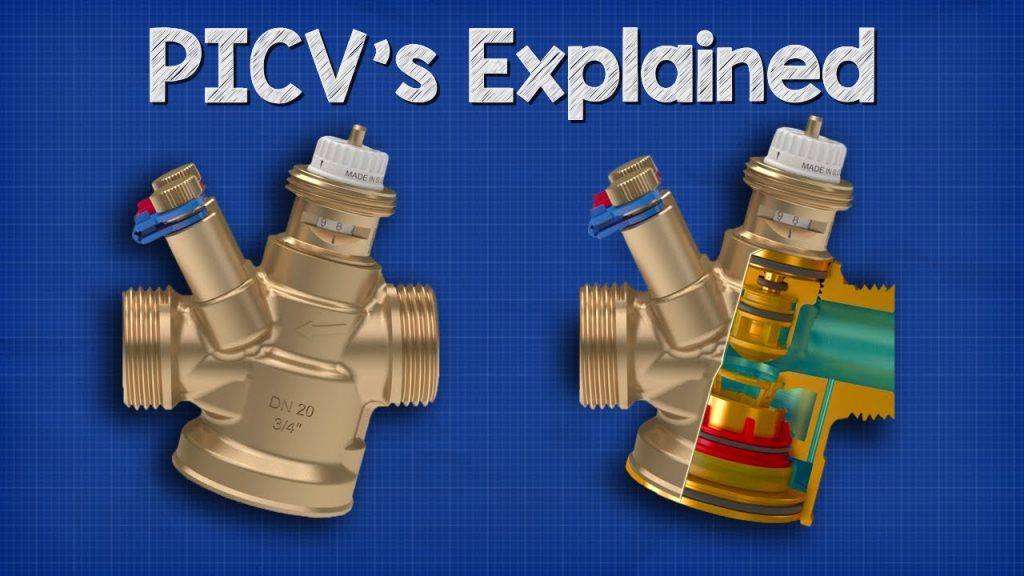
3. Druckunabhängige Regelventile (PICVs)
Sie sind die Schweizer Taschenmesser der Ausgleichsventile.
Was sie besonders macht: Sie vereinen drei Funktionen in einem Gerät:
- Flussbilanzierung
- Ablaufsteuerung
- Druckregelung
Geeignet für: Neubauten und größere Nachrüstungen, bei denen Sie maximale Effizienz wünschen.
Eine Studie ergab, dass PICVs die Pumpenenergie im Vergleich zu herkömmlichen Systemen um bis zu 30% reduzieren können.
Der Nachteil? Sie kosten 2-3 mal mehr als manuelle Ventile. Aber die Energieeinsparungen machen die Differenz oft innerhalb von 2-3 Jahren wett.
Warum Ihr HVAC-System Ausgleichsventile benötigt (Die wahren Kosten, wenn Sie sie auslassen)
Ich will ganz offen sein:
Der Verzicht auf Auswuchtventile ist so, als würde man einen Ferrari kaufen und ihn mit eckigen Reifen ausstatten.
So sieht es aus, wenn der Ausgleich nicht richtig erfolgt:
Das Problem der "ausgehungerten Zone"
Ich habe einmal in einem Hotel gearbeitet, in dem sich die Gäste der obersten Etage ständig über fehlende Wärme beschwerten.
Die Ursache? Keine Ausgleichsventile. Das gesamte heiße Wasser lief durch die ersten beiden Stockwerke und zurück zum Kessel.
Die Reparatur dauerte einen Tag und kostete einige tausend Dollar. Die Beschwerden hörten sofort auf.
Die Katastrophe der Energieverschwendung
Hier ist etwas, was die meisten Menschen nicht wissen:
Wenn das Wasser zu schnell durch die Rohrschlangen fließt, hat es keine Zeit, die Wärme richtig zu übertragen.
Dies führt zu dem, was Ingenieure als "Low-Delta-T-Syndrom" bezeichnen.
Übersetzung: Ihr Heizkessel oder Ihre Kältemaschine macht Überstunden, um dies auszugleichen. Die Energierechnungen schießen in die Höhe.
Die Zahlen lügen nicht:
- Unausgewogene Systeme verschwenden 20-30% mehr Energie
- Pumpen laufen 40-50% härter als nötig
- Die Lebensdauer der Geräte sinkt um 25-35%
Die Lärmfrage
Haben Sie jemals pfeifende oder rauschende Wassergeräusche in Rohren gehört?
Das ist Wasser, das mit hoher Geschwindigkeit durch unterdimensionierte Passagen schießt.
Eine ordnungsgemäße Auswuchtung beseitigt 90% dieser Geräuschbeschwerden. Ich habe das schon dutzende Male erlebt.
Wo Ausgleichsventile zu installieren sind (und warum der Standort wichtig ist)
Bei Ausgleichsventilen ist der Standort alles.
Die goldene Regel: Installieren Sie sie auf der Rücklaufseite der Endgeräte (Heizkörper, Gebläsekonvektoren usw.).
Warum die Gegenseite?
Zwei entscheidende Gründe:
- Sie hält die Spule unter Druck - Dies verhindert die Bildung von Lufteinschlüssen im Inneren
- Sie ermöglicht eine gute Entlüftung - Luft kann durch automatische Entlüftungsöffnungen an der Oberseite der Geräte entweichen
Ich habe das zu Beginn meiner Karriere auf die harte Tour gelernt. Ich installierte Ventile auf der Versorgungsseite eines Systems. Innerhalb weniger Wochen hatten wir überall Probleme mit Luftschleusen.
Die komplette Installationsstrategie
Hier erfahren Sie genau, wo Sie die Ausgleichsventile für optimale Ergebnisse platzieren müssen:
Auf Endgeräten:
- Installation an der Rücklaufleitung jedes Heizkörpers, Gebläsekonvektors oder Wärmetauschers
- Position nach eventuellen Steuerventilen
- Für zukünftige Anpassungen zugänglich halten
Über Zweige:
- Platzieren Sie Ventile dort, wo Rohre zu verschiedenen Zonen abzweigen
- Dies ermöglicht einen zonenweisen Ausgleich
Auf dem Main:
- Installation eines Hauptausgleichsventils am Pumpenauslass
- Messen Sie damit den gesamten Systemdurchfluss
- Hilft festzustellen, ob das Pumpenlaufrad nachgearbeitet werden muss
Profi-Tipp: Machen Sie nach dem Auswuchten Fotos von den Ventilpositionen. Das spart Stunden, wenn jemand später versehentlich die Einstellungen ändert.
Auswahl des richtigen Auswuchtventils (Schritt für Schritt)
Die Wahl des falschen Ventils ist ein teurer Fehler.
Hier ist mein bewährtes Auswahlverfahren:
Schritt 1: Bestimmen Sie Ihren Systemtyp
System mit konstantem Durchfluss? → Manuelles Ausgleichsventil
System mit variablem Durchfluss? → Dynamisches Ventil oder PICV
Kritische Komfortanwendung? → PICV jedes Mal
Schritt 2: Berechnen Sie Ihren Durchflussbedarf
Das müssen Sie wissen:
- Auslegungsdurchflussmenge (GPM)
- Betriebsdruckbereich
- Temperaturbereich
Die meisten Hersteller bieten Größentabellen an. Verwenden Sie diese.
Schritt 3: Prüfen Sie den Cv-Wert
Der Cv (Durchflusskoeffizient) gibt an, wie viel Wasser bei einem bestimmten Druckabfall durchfließt.
Faustformel: Wählen Sie ein Ventil, bei dem der Durchfluss zwischen 30-70% des maximalen Cv-Wertes liegt.
Dadurch erhalten Sie einen Einstellbereich in beide Richtungen.
Schritt 4: Überprüfen der Druckstufen
Ein Ventil, das für 125 PSI ausgelegt ist, wird in einem System mit 200 PSI nicht halten.
Fügen Sie zu Ihrem maximalen Betriebsdruck immer einen Sicherheitsfaktor von 25% hinzu.
Schritt 5: Berücksichtigen Sie die Extras
Anschlüsse zur Durchflussmessung? Unerlässlich für die Inbetriebnahme
Speicherstopp-Funktion? Verhindert unbeabsichtigtes Verstellen
Isolierschalen? Erforderlich für Kaltwassersysteme
Anwendungen für Auswuchtventile in der realen Welt
Ich zeige Ihnen, wo Auswuchtventile die größte Wirkung haben:
Kommerzielle Bürogebäude
Moderne Büros nutzen Variable Luftmenge (VAV)-Systeme mit Warm-/Kaltwasserregistern.
Jeder VAV-Kasten benötigt ein Ausgleichsventil, um den richtigen Durchfluss zu gewährleisten, unabhängig davon, was andere Zonen tun.
Ich habe kürzlich an einem 20-stöckigen Büroturm gearbeitet, der $50.000/Monat für Versorgungsleistungen ausgab. Nach der Installation von PICVs an allen VAV-Boxen sanken die Rechnungen um $8.000/Monat.
ROI in weniger als einem Jahr.
Krankenhäuser und Gesundheitswesen
Krankenhäuser können sich keine Temperaturschwankungen leisten.
Operationssäle brauchen eine präzise Temperaturregelung. Patientenzimmer brauchen gleichbleibenden Komfort.
Deshalb verwenden die meisten Gesundheitseinrichtungen ausschließlich automatische Ausgleichsventile oder PICVs.
Schulen und Universitäten
Hier ist eine interessante Herausforderung:
Die Klassenzimmer sind nachts leer und tagsüber überfüllt. Die Heiz- und Kühllasten sind sehr unterschiedlich.
Dynamische Ausgleichsventile passen sich automatisch an diese sich ändernden Bedingungen an, um den Komfort zu erhalten und gleichzeitig den Energieverbrauch zu minimieren.
Eine Universität, mit der ich zusammengearbeitet habe, konnte nach der Nachrüstung mit dynamischen Ventilen den Energieverbrauch der HLK-Anlagen um 28% senken.
Hotels und Mehrfamilienhäuser
Jede Wohnung oder jedes Hotelzimmer ist im Grunde ein eigener Bereich.
Ohne Ausgleichsventile erhalten die Geräte in der Nähe des Technikraums die gesamte Heiz-/Kühlleistung. Eckgeräte leiden darunter.
Statische Ausgleichsventile eignen sich hier hervorragend, da die Lasten relativ vorhersehbar sind.
Die versteckten Vorteile, über die niemand spricht
Sicher, jeder weiß, dass Ausgleichsventile Energie sparen.
Aber hier sind die Vorteile, die es nicht in die Verkaufsbroschüren schaffen:
Längere Lebensdauer der Ausrüstung
Wenn Ihr System ausgeglichen ist, arbeiten die Pumpen nicht so hart. Heizkessel und Kältemaschinen laufen weniger häufig.
Ergebnis: Die Ausrüstung hält 30-40% länger.
Das sind Millionen an aufgeschobenen Ersatzkosten für große Gebäude.
Vereinfachte Fehlersuche
Mit Messanschlüssen an Ausgleichsventilen können Sie Probleme in Minuten statt in Stunden diagnostizieren.
Geringer Durchfluss in einer Zone? Prüfen Sie das Ventil. Dauert 30 Sekunden.
Ohne Ausgleichsventile? Viel Glück bei der Suche nach dem Problem.
Bessere IAQ (Innenraumluftqualität)
Hier ist etwas Interessantes:
Ausgewogene Systeme sorgen für gleichmäßigere Temperaturen. Dadurch werden Kondensationsprobleme verringert.
Weniger Kondenswasser = weniger Schimmelgefahr = bessere Luftqualität.
Reduzierte Haftung
Ich habe schon Klagen wegen eingefrorener Rohre in Mehrfamilienhäusern gesehen.
Die Ursache? Unausgewogene Systeme, die dazu führten, dass bestimmte Einheiten keinen ausreichenden Wärmefluss hatten.
Ausgleichsventile sind eine billige Versicherung gegen diese Probleme.
Häufige Fehler beim Auswuchten von Ventilen (und wie man sie vermeidet)
Nach über 10 Jahren in diesem Bereich habe ich alle möglichen Fehler gesehen.
Hier sind die wichtigsten davon:
Fehler #1: Einbau von Ventilen in umgekehrter Reihenfolge
Jedes Ventil hat einen Durchflussrichtungspfeil. Folgen Sie ihm.
Installieren Sie es rückwärts und Sie erhalten:
- Übermäßiger Lärm
- Schlechte Flusskontrolle
- Mögliche Beschädigung des Ventils
Lösung: Überprüfen Sie die Durchflusspfeile vor dem Einbau. Zeitraum.
Fehler #2: Überdimensionierung von Ventilen
Größer ist bei Ausgleichsventilen nicht besser.
Ein überdimensioniertes Ventil führt zu einer schlechten Regelauflösung. Kleine Anpassungen führen zu großen Durchflussänderungen.
Lösung: Bemessen Sie die Größe für Ihren tatsächlichen Durchfluss, nicht für zukünftige "Was-wäre-wenn-Situationen".
Fehler #3: Überspringen der Inbetriebnahme
Der Einbau von Ventilen ist nur die halbe Miete.
Sie MÜSSEN das System nach der Installation ausgleichen. Andernfalls haben Sie Ihr Geld vergeudet.
Lösung: Budget für eine professionelle Inbetriebnahme. Sie kostet in der Regel 10-15% der Kosten für die Ventilinstallation.
Fehler #4: Verwendung des falschen Ventiltyps
Ich sehe das ständig:
Jemand baut manuelle Ventile in ein System mit variablem Durchfluss ein. Das System ruckelt und schwankt. Der Komfort bleibt auf der Strecke.
Lösung: Passen Sie den Ventiltyp dem Systemtyp an. Immer.
Die Zukunft der Auswuchtventiltechnik
Die Branche entwickelt sich schnell weiter.
Hier ist, was im Jahr 2025 und danach kommt:
IoT-fähige Ventile
Zu den neuen "intelligenten" Ausgleichsventilen gehören:
- Eingebaute Durchflusssensoren
- Drahtlose Kommunikation
- Überwachung in Echtzeit
- Automatische Neugewichtung
Ein Hersteller behauptet, dass seine IoT-Ventile die Auswuchtzeit um 75% reduzieren.
KI-gestützte Optimierung
Algorithmen des maschinellen Lernens analysieren jetzt Flussmuster und passen den Ausgleich automatisch an.
Das System lernt das Verhalten Ihres Gebäudes und optimiert es kontinuierlich.
Frühere Anwender berichten von 15-20% zusätzlichen Energieeinsparungen.
Integrierte BMS-Steuerung
Moderne Ventile kommunizieren direkt mit Gebäudemanagementsystemen.
Dies ermöglicht:
- Ferndiagnose
- Vorausschauende Wartung
- Dynamische Sollwertanpassung
- Fehlersuche
Ihre nächsten Schritte
Hier ist, was Sie jetzt tun müssen:
- Audit Ihres bestehenden Systems - Sind alle Endgeräte mit Ausgleichsventilen ausgestattet?
- Prüfen Sie Ihre Energierechnungen - Steigende Kosten deuten oft auf Gleichgewichtsprobleme hin
- Auf Beschwerden achten - Temperaturschwankungen zwischen Räumen? Zeit für eine Untersuchung
- Holen Sie sich professionelle Hilfe - Ein qualifizierter Anbieter von Test & Balance kann Ihr System beurteilen
Erinnern Sie sich:
Bei Abgleichventilen geht es nicht nur um Komfort. Es geht darum, ein effizientes, zuverlässiges HLK-System zu betreiben, das Jahr für Jahr Geld spart.
Die Frage ist nicht, ob Sie Ausgleichsventile brauchen. Es geht darum, ob Sie es sich leisten können, sie NICHT zu haben.
Meiner Erfahrung nach übersteigen die Kosten eines unausgewogenen Systems - in Form von Energieverschwendung, Komfortproblemen und Schäden an der Anlage - bei weitem die Investition in geeignete Ausgleichsventile.
Fazit: Verstehen Was ist ein Ausgleichsventil in der Klimatechnik? Systeme und deren korrekte Umsetzung ist eine der klügsten Investitionen, die Sie in die mechanischen Systeme Ihres Gebäudes tätigen können. Die Investition zahlt sich schnell aus, die Vorteile sind dauerhaft, und Ihre Bewohner werden es Ihnen danken.