Já alguma vez entrou num edifício em que algumas divisões parecem uma sauna e outras estão geladas?
O problema é o seguinte: Normalmente é um problema da válvula de equilíbrio.
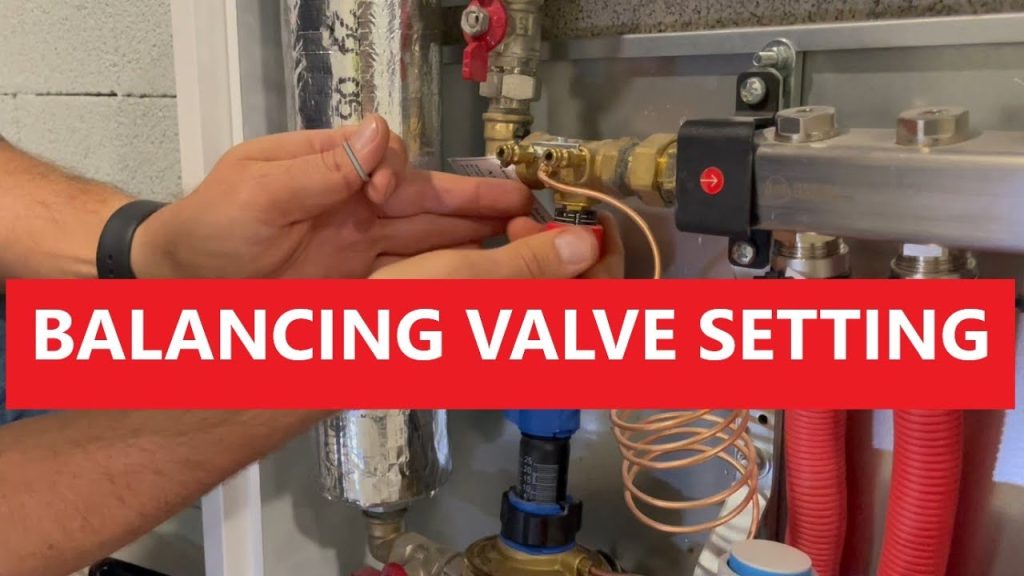
E se estiver a lidar com aquecimento ou arrefecimento irregulares no seu edifício, aprender como ajustar a válvula de equilíbrio as definições estão prestes a tornar-se a sua nova superpotência.
Como profissional fabricante de válvulas de equilibragemTrabalhei pessoalmente com centenas de sistemas hidrónicos ao longo dos anos. E posso dizer-vos isto: Uma válvula de equilíbrio corretamente ajustada pode reduzir as suas contas de energia até 30%.
Muito giro, não é?
Resumo rápido:
- Identificar o tipo de válvula: as válvulas manuais são adequadas para sistemas simples; as válvulas automáticas ou PIBCVs são melhores para sistemas comerciais complexos ou de velocidade variável.
- Para válvulas manuais: abrir totalmente, medir a pressão diferencial, converter para GPM utilizando a tabela do fabricante e, em seguida, restringir para o caudal pretendido e bloquear o batente de memória. Para válvulas de leitura direta: ajustar até que o flutuador corresponda ao GPM desejado.
- Assegure-se de que a instalação é correta: direção do fluxo de seta, ventilação de ar, percursos rectos 5D a montante/2D a jusante e preferência pela colocação do lado do retorno, a menos que condições específicas exijam o lado do fornecimento.
- Resolução de problemas: pressão elevada = ar; incapacidade de atingir o caudal = bomba subdimensionada, filtro entupido ou problema na tubagem; chame um profissional para sistemas >10 circuitos, vapor, zonagem complexa ou certificação exigida pelo código.
Índice
- O que é exatamente uma válvula de equilíbrio?
- Os dois tipos que vai encontrar
- Guia de ajuste passo a passo
- Conselhos críticos de instalação
- Onde colocar as suas válvulas de equilibragem
- Estratégias de equilíbrio comuns
- Resolução de problemas comuns
- Considerações sobre a eficiência energética
- Sugestões avançadas para profissionais
- Considerações de segurança
- Quando chamar um profissional
- A linha de fundo
O que é exatamente uma válvula de equilíbrio?
Antes de nos debruçarmos sobre o processo de ajustamento, vamos esclarecer com o que estamos a trabalhar.
Uma válvula de equilíbrio é basicamente o polícia de trânsito do seu sistema hidrónico. Regula o fluxo de água para garantir que cada zona recebe exatamente a quantidade certa de água quente ou fria.
Pense nisto desta forma:
A água é preguiçosa. Toma sempre o caminho de menor resistência.
Sem válvulas de equilíbrio? Os radiadores mais próximos recebem toda a água quente. Os que estão mais afastados? Ficam com os restos.
(Não é o ideal quando se está a tentar aquecer um edifício de 50.000 pés quadrados).
Os dois tipos que vai encontrar
É aqui que as coisas ficam interessantes.
Há dois actores principais no mundo das válvulas de equilíbrio:
Válvulas de equilibragem manuais (estáticas):
- Ajustam-se à mão
- Mantêm-se na configuração que escolher
- Perfeito para sistemas de caudal constante
- Normalmente, o custo é 50-70% inferior ao das válvulas automáticas
Válvulas de equilibragem automática (dinâmica):
- Auto-ajuste com base nas alterações de pressão
- Manter automaticamente um caudal constante
- Ideal para sistemas de bombas de velocidade variável
- Mais caro, mas com muito menos manutenção
Dica profissional: Se estiver a trabalhar com um sistema residencial simples, as válvulas manuais são normalmente boas. Mas para edifícios comerciais complexos? As válvulas automáticas poupar-lhe-ão dores de cabeça no futuro.
Guia de ajuste passo a passo
Muito bem, vamos lá sujar as mãos.
Método 1: Ajustamento das válvulas de equilibragem manuais
É o que se encontra em 80% das vezes.
Passo 1: Reúna as suas ferramentas
Necessita:
- Um manómetro de pressão diferencial (ou manómetro)
- Fluxograma do fabricante
- Uma chave de fendas (por vezes)
- Os caudais de projeto do seu sistema
Passo 2: Abrir completamente a válvula
Rode o manípulo no sentido contrário ao dos ponteiros do relógio até estar 100% aberto. Este é o seu ponto de partida.
Passo 3: Ligar o seu medidor
Aqui está a parte fundamental:
- Ligar a mangueira de alta pressão (vermelha) a um orifício de teste
- Ligar a mangueira de baixa pressão (azul) ao outro orifício
- Certifique-se de que as suas ligações estão bem apertadas (confie em mim neste ponto)
Passo 4: Verifique o seu fluxo alvo
Consulte as plantas do seu sistema. Encontre o GPM (galões por minuto) necessário para esse circuito específico.
Não tem projectos? Aqui está uma fórmula rápida:
- BTU de saída necessário ÷ (500 × queda de temperatura) = GPM
Passo 5: Ler o fluxo atual
Meça a pressão diferencial através da válvula. Em seguida, utilize a tabela do fabricante para converter essa leitura de pressão em GPM.
Passo 6: Ajustar ao objetivo
Rode lentamente o manípulo da válvula no sentido dos ponteiros do relógio para restringir o fluxo. Observe o manómetro. Pare quando atingir o caudal pretendido.
Etapa 7: Fixar
A maioria das válvulas de qualidade tem uma função de "paragem de memória". Defina-a para que a válvula regresse à posição exacta após a manutenção.
Método 2: Ajustar as válvulas de leitura direta
Estes são muito mais fáceis (e é por isso que são mais caros).
Passo 1: Localizar o ajuste
Encontre o botão de ajuste ou a ranhura. Por vezes, é necessária uma chave Allen.
Passo 2: Observar a flutuação
Com a bomba a funcionar, observe o flutuador vermelho no interior do visor transparente. A escala mostra o seu caudal em GPM ou litros por minuto.
Passo 3: Rodar para ajustar
Basta rodar o parafuso de ajuste até que o flutuador se situe no caudal pretendido.
Já está. A sério, é isso mesmo.
Conselhos críticos de instalação
Mas a questão é a seguinte:
Mesmo a melhor válvula de equilíbrio não funcionará se for instalada incorretamente.
Verificar sempre a direção do fluxo
Todas as válvulas têm uma seta que indica a direção do fluxo. Instalá-la ao contrário? As suas leituras estarão completamente erradas.
(Já vi técnicos experientes cometerem este erro. Verifique sempre duas vezes).
Purgar o ar primeiro
Bolhas de ar = leituras incorrectas. Ventile sempre o sistema antes de o ajustar.
Cuidado com os tubos
Para obter medições exactas, é necessário:
- 5 diâmetros de tubo reto a montante
- 2 diâmetros de tubo a jusante
Nada de cotovelos, nada de t-shirts, nada de brincadeiras.
Onde colocar as suas válvulas de equilibragem
A localização é importante. Em grande medida.
Instalação do lado de retorno (mais comum)
Em 90% dos casos, instale a sua válvula de equilíbrio no lado de retorno do sistema.
Porquê? Por três razões:
- Pressão mais estável no lado do retorno
- Melhor distribuição do caudal em todas as zonas
- Evita o sobreaquecimento dos circuitos de alimentação
Instalação do lado da oferta (casos especiais)
Utilizar a instalação do lado da alimentação apenas quando:
- Trabalhar com torres de refrigeração
- Lidar com configurações específicas de chillers
- O fabricante exige especificamente
Estratégias de equilíbrio comuns
Falemos de estratégia.
O método proporcional
Este é o padrão de ouro para sistemas maiores:
- Comece pelo circuito mais afastado da bomba
- Ajustar ao caudal de projeto
- Passar para o circuito mais próximo
- Repetir até chegar à bomba
O método direto
Melhor para sistemas mais pequenos:
- Abrir completamente todas as válvulas
- Medir o caudal total do sistema
- Ajustar cada ramo à sua percentagem do fluxo total
- Afinar conforme necessário
Resolução de problemas comuns
Mesmo com uma técnica perfeita, as coisas correm mal.
Problema: Não é possível atingir o fluxo pretendido
Geralmente significa:
- A bomba está subdimensionada
- Diâmetro do tubo demasiado pequeno
- O filtro está entupido
- Outra válvula está parcialmente fechada
Problema: Leituras de pressão que saltam de um lado para o outro
Isto grita "ar no sistema". Desligue, sangre bem e tente novamente.
Problema: O fluxo muda quando outras zonas abrem/fecham
Necessita de válvulas de equilíbrio automáticas ou de uma estratégia de bombagem diferente. As válvulas manuais não conseguem compensar as alterações de pressão.
Considerações sobre a eficiência energética
Eis o que a maioria das pessoas não vê:
O equilíbrio correto não é apenas uma questão de conforto. Tem a ver com dinheiro.
Um sistema desequilibrado obriga a bomba a trabalhar mais. Algumas zonas sobreaquecem (desperdiçando energia). Outras subaquecem (obrigando a tempos de funcionamento mais longos).
Conseguiu equilibrar-se bem? Podes ver:
- 20-30% redução da energia da bomba
- Redução de 15% nos custos globais de aquecimento/arrefecimento
- Aumento da vida útil do equipamento (menos desgaste)
Sugestões avançadas para profissionais
Quer levar o seu jogo de equilíbrio para o próximo nível?
Utilizar medidores de caudal digitais
Esqueça os medidores analógicos. Os medidores digitais oferecem-lhe:
- Precisão de 0,1% (vs 5-10% para analógico)
- Capacidades de registo de dados
- Bluetooth conetividade para monitorização remota
Considerar os PIBCV
As válvulas de controlo de equilibragem independentes da pressão combinam a equilibragem e o controlo num único dispositivo. São caras, mas podem simplificar drasticamente sistemas complexos.
Documentar tudo
Criar um relatório de balanço que mostre:
- Localização de cada válvula
- Caudais de projeto vs caudais reais
- Posições das válvulas
- Data e nome do técnico
Isto é muito importante para a resolução de problemas mais tarde.
Considerações de segurança
Vamos mantê-lo inteiro:
- Nunca exceder a pressão nominal da válvula
- Utilizar EPI adequado (as queimaduras com água quente não são brincadeira)
- Bloquear as bombas antes de ligar os manómetros
- Verificar a existência de fugas antes de abandonar o local de trabalho
Quando chamar um profissional
Olha, eu sou a favor do "faça você mesmo". Mas às vezes precisamos de apoio.
Chamar um profissional quando:
- Tratamento de sistemas com mais de 10 circuitos
- Trabalhar com sistemas de vapor
- O seu edifício tem um zonamento complexo
- Os códigos locais exigem um equilíbrio certificado
A linha de fundo
Aprendizagem como ajustar a válvula de equilíbrio Os sistemas corretos são como aprender a afinar uma guitarra.
É preciso praticar. Mas depois de o conseguir? Tudo simplesmente... funciona.
O seu aquecimento e refrigeração tornam-se mais eficientes. As suas contas de energia baixam. E aquelas queixas de pontos quentes/frios? Desaparecem.
Comece com uma zona. Demore o tempo que precisar. Documente o seu trabalho.
Antes de dar por isso, estará a equilibrar edifícios inteiros como um profissional.
Lembre-se: A chave para um ajuste bem sucedido da válvula de equilíbrio é a paciência e a precisão. Se apressar o trabalho, estará de volta na próxima semana para resolver problemas. Faça-o corretamente da primeira vez e o sistema funcionará sem problemas durante anos.