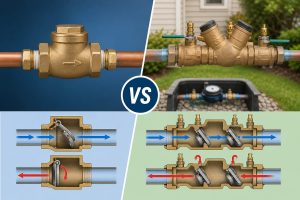
Haben Sie sich schon einmal Ihr Sanitärsystem angeschaut und sich über diese mysteriösen Ventile gewundert? Hier ist die Lösung: Rückschlagventil vs. Rückflussverhinderer ist nicht nur Klempnerjargon. Es handelt sich um ziemlich wichtige Dinge, die Sie vor verunreinigtem Wasser (und saftigen Geldstrafen) bewahren können.
Ich habe eine Menge Verwirrung über diese beiden Geräte gesehen. Und ganz ehrlich? Ich habe es verstanden. Sie verhindern beide, dass Wasser zurückfließt. Sie schützen beide Ihr System. Aber da enden die Gemeinsamkeiten auch schon.
In diesem Beitrag als professioneller Hersteller für Rückschlagventile, Lassen Sie mich die Unterschiede zwischen Rückflussverhinderern und Rückflussverhinderern erläutern.
Kurze Zusammenfassung
- Rückschlagventile sind kostengünstige, einseitig wirkende Vorrichtungen für nicht trinkbare oder mechanische Anwendungen, haben aber nur eine einzige Fehlerstelle und keine Prüfmöglichkeit.
- Rückflussverhinderer (RPZ und ähnliche) bieten redundanten Schutz, Prüfanschlüsse und Überdruckventile und sind in der Regel erforderlich, wenn Trinkwasser verunreinigt werden könnte.
- Rückflussverhinderer kosten mehr, erfordern Genehmigungen, eine fachgerechte Installation und eine jährliche zertifizierte Prüfung - bei Nichteinhaltung drohen Bußgelder, Betriebsschließungen und teure Sanierungsmaßnahmen.
- Wenn Sie unsicher sind, prüfen Sie die Vorschriften der örtlichen Wasserbehörde und beauftragen Sie einen zugelassenen Installateur; bei Risiken für das Trinkwasser haben Rückflussverhinderer Vorrang.
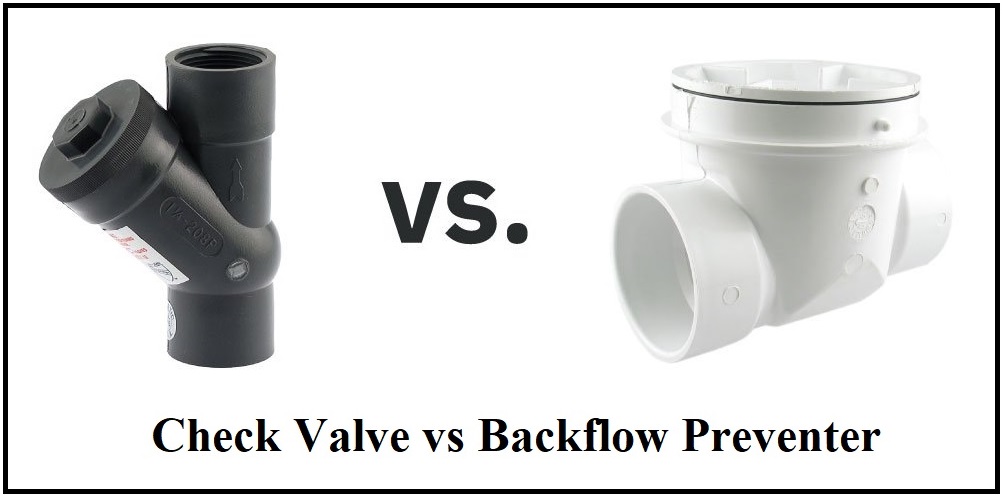
Rückschlagventil vs. Rückflussverhinderer: Echte Unterschiede
Ein Rückschlagventil ist wie ein Türsteher bei einer Einbahnstraßenparty. Wasser fließt hinein, aber es kann nicht wieder hinausfließen. So einfach ist das.
Aber ein Rückflussverhinderer? Das ist eher ein Hochsicherheitskontrollpunkt mit mehreren Wachen, Kameras und Sicherungssystemen. Er ist speziell dafür ausgelegt, Ihr Trinkwasser vor Verunreinigungen zu schützen.
Ich meine Folgendes:
Prüfe Ventile:
- Einfache einseitige Flusskontrolle
- Einzelne Fehlerstelle
- Keine Testmöglichkeiten
- Kosten $20-100
- Großartig für allgemeine Anwendungen
Rückflussverhinderer:
- Mehrere Schutzschichten
- Prüfbare Komponenten
- In vielen Fällen gesetzlich vorgeschrieben
- Kosten $150-1.000+
- Wesentlich für den Schutz des Trinkwassers
Die Quintessenz? Man kann das eine nicht einfach gegen das andere austauschen.
Wann man welches Gerät verwendet (und warum es wichtig ist)
Lassen Sie mich eine kurze Geschichte erzählen.
Letztes Jahr sprach ich mit einem Hausbesitzer, der ein Rückschlagventil in seine Bewässerungsanlage eingebaut hatte, um ein paar Euro zu sparen. Der städtische Inspektor tauchte auf, warf einen Blick darauf und sperrte die Wasserversorgung ab, bis er einen ordnungsgemäßen Rückflussverhinderer installiert hatte.
Kosten der “Einsparungen”? Etwa $2.000 an Bußgeldern und Notklempnergebühren.
Verwenden Sie ein Rückschlagventil, wenn:
- Verhinderung von Pumpenschäden durch Rückfluss
- Schutz von HLK-Systemen
- Entwässerungsmanagement in mehrstöckigen Gebäuden
- Kontrolle des Durchflusses in Nichttrinkwassersystemen
- Installation von Sumpfpumpen oder Brunnenanlagen
Verwenden Sie einen Rückflussverhinderer, wenn:
- Anschluss der Bewässerungssysteme an das städtische Wasser
- Installation von Sprinkleranlagen
- Betrieb von gewerblichen oder industriellen Anlagen
- Verwendung von Chemikalien oder Düngemitteln in der Nähe von Wasserleitungen
- Örtliche Vorschriften verlangen es (Hinweis: das ist meistens der Fall)
Profi-Tipp: Erkundigen Sie sich im Zweifelsfall bei Ihrer örtlichen Wasserbehörde. Sie werden Ihnen genau sagen, was Sie brauchen.
Die technische Aufschlüsselung (in einfachem Englisch)
Die Funktionsweise dieser Geräte ist wie folgt:
Rückschlagventilbetrieb
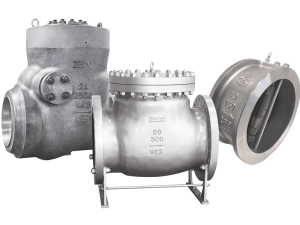
Stellen Sie es sich wie eine Tür vor, die nur in eine Richtung schwingt. Wenn Wasser vorwärts fließt, drückt es das Ventil auf. Wenn es in die entgegengesetzte Richtung fließt, wird das Ventil zugeschlagen.
Gängige Typen sind:
- Swing Checks (Klappenkonstruktion)
- Federkontrollen (federbelastete Scheibe)
- Kugelprüfungen (schwimmende Kugeldichtung)
- Aufzugskontrollen (geführte Scheibenausführung)
Aber die Sache ist die: Wenn sich Schmutz in diesem Ventil festsetzt, ist das Spiel vorbei. Kein Backup. Kein Failsafe.
Betrieb von Rückflussverhinderern
Diese bösen Jungs heben den Schutz auf ein neues Niveau. Die meisten verwenden eine “reduzierte Druckzone” (RPZ) mit:
- Zwei unabhängige Rückschlagventile - Wenn einer ausfällt, haben Sie ein Backup
- Ein Druckbegrenzungsventil - Lässt Wasser ab, wenn der Druck nicht mehr stimmt
- Test-Ports - Für jährliche Inspektionen
- Absperrventile - Für Wartung und Prüfung
Das Geniale daran? Selbst wenn beide Rückschlagventile versagen, tritt das Überdruckventil in Aktion und lässt potenziell verunreinigtes Wasser ab, bevor es in die saubere Leitung gelangen kann.
Installation und Wartung: Was Ihnen niemand sagt
Der Einbau eines Rückschlagventils dauert etwa 30 Minuten. Installation eines Rückflussverhinderers? Planen Sie mindestens 2-4 Stunden ein.
Hier ist der Grund dafür:
Einbau eines Rückschlagventils:
- Wasser abdrehen
- Rohr schneiden
- Ventil einbauen (Pfeil zeigt stromabwärts)
- Wasser wieder einschalten
- Erledigt
Installation von Rückflussverhinderern:
- Genehmigungen einholen (ja, wirklich)
- Planen Sie eine Inspektion vor der Installation
- Einbau mit den richtigen Abständen
- Alle Komponenten testen
- Zeitplan für die Endkontrolle
- Jährliche Tests einrichten
Und die Wartung? Rückschlagventile brauchen praktisch keine. Sie müssen vielleicht alle 5-10 Jahre ersetzt werden.
Rückflussverhinderer müssen jährlich von einem zertifizierten Fachmann geprüft werden. In meiner Gegend kostet das etwa $75-150 pro Test.
Der Kostenfaktor (und warum billig nicht immer klug ist)
Lassen Sie uns über Geld reden.
Ich habe Leute gesehen, die vor den Preisen für Rückflussverhinderer zurückschrecken. Und ja, sie sind nicht billig:
- Basis-Rückschlagventil: $20-50
- Rückflussverhinderer für Haushalte: $150-400
- Gewerblicher Rückflussverhinderer: $500-2.000+
Aber bedenken Sie dies:
Die Behebung einer Verunreinigung durch einen Rückfluss kostet durchschnittlich $14.800 (nach Angaben der EPA). Darin sind mögliche Klagen nicht enthalten, wenn jemand krank wird.
Plötzlich sieht der $400-Preventer ziemlich vernünftig aus, oder?
Häufige Mythen und Irrtümer
Zeit, mit einigen Mythen aufzuräumen:
Mythos 1: “Ein Rückschlagventil ist nur ein einfacher Rückflussverhinderer”.”
Nö. Das ist so, als würde man sagen, ein Fahrrad sei ein einfaches Auto. Unterschiedliche Zwecke, unterschiedliches Design, unterschiedliche rechtliche Anforderungen.
Mythos 2: “Ich kann es selbst installieren und die Genehmigungen umgehen”
Sicher, wenn Sie sich über Wasserabschaltungen und Bußgelder freuen. Die meisten Gerichtsbarkeiten verlangen eine lizenzierte Installation und eine jährliche Prüfung.
Mythos 3: “Sie werden nur für Gewerbeimmobilien benötigt”
Wieder falsch. Jede Wohnimmobilie mit:
- Bewässerungssysteme
- Schwimmbäder
- Sprinkleranlagen
- Sekundäre Wasserquellen
...braucht wahrscheinlich eine.
Praktische Anwendungen (mit Beispielen)
Ich möchte Ihnen zeigen, wo jedes Gerät seine Stärken hat:
Erfolgsgeschichten über Rückschlagventile:
- Sumpfpumpen: Verhindert, dass Wasser in die Grube zurückfließt
- Rückführung von Warmwasser: Hält das heiße Wasser in der richtigen Richtung
- Mehrstöckige Gebäude: Verhindert die Rückstauung des Abflusses im Obergeschoss
Rückflussverhinderer Must-Haves:
- Bewässerung des Rasens: Diese Düngemittel und Pestizide? Sie wollen sie nicht in Ihrem Trinkwasser haben
- Brandmeldeanlagen: Stehendes Wasser in Sprinklerrohren kann Bakterien beherbergen
- Medizinische Einrichtungen: Null Toleranz für Kontamination
- Autowaschanlagen: Seife und Chemikalien dürfen nicht ins Stadtwasser gelangen
Die Regulierungslandschaft im Jahr 2026
Und noch etwas Entscheidendes: Die Vorschriften werden strenger, nicht lockerer.
Die meisten Wasserbezirke verlangen jetzt:
- Jährliche Prüfung aller Rückflussverhinderer
- Zertifizierte Prüfernachweise
- Digitale Meldesysteme
- Sofortige Reparaturen für ausgefallene Geräte
In einigen Gebieten werden sogar ältere Immobilien nachgerüstet. Wenn Sie noch keinen Bescheid bekommen haben, könnten Sie ihn bald erhalten.
Die richtige Wahl treffen
Wie entscheiden Sie also?
Stellen Sie sich diese Fragen:
- Was ist mit dieser Wasserleitung verbunden? (Chemikalien? Bewässerung? Normale Rohrleitungen?)
- Was verlangen die örtlichen Vorschriften? (Im Zweifelsfall einfach anrufen und nachfragen)
- Wie hoch ist das Kontaminationsrisiko? (Geringes Risiko = Rückschlagventil könnte funktionieren. Jedes Risiko für Trinkwasser = Rückflussverhinderer)
- Wie hoch ist Ihr Budget? (Einschließlich Installation und jährliche Prüfung)
Erweiterte Überlegungen
Für die technisch Interessierten gibt es hier ein paar Feinheiten:
Druckverlust
Beide Geräte verursachen einen gewissen Druckabfall:
- Rückschlagventile: typischerweise 1-5 PSI
- Rückflussverhinderer: 10-15 PSI für RPZ-Typen
Wenn Sie bereits mit Unterdruck zu kämpfen haben, sollten Sie dies berücksichtigen.
Durchflussmengen
Achten Sie auf die richtige Größe:
- Unterdimensionierung = schlechte Leistung und übermäßiger Verschleiß
- Überdimensioniert = funktioniert bei geringem Durchfluss möglicherweise nicht richtig
Besondere Situationen
Einige Szenarien müssen besonders berücksichtigt werden:
- Hochtemperaturanwendungen (spezielle Materialien erforderlich)
- Korrosive Umgebungen (rostfreier Stahl oder spezielle Beschichtungen)
- Häufige Druckstöße (eventuell Überspannungsschutz erforderlich)
Das Fazit zu Rückschlagventil und Rückflussverhinderer
Es geht um Folgendes:
Rückschlagventile eignen sich hervorragend für einfache Durchflussregelungen in unkritischen Anwendungen. Sie sind einfach, billig und effektiv für ihre Aufgabe.
Aber wenn es um den Schutz des Trinkwassers geht? Sie brauchen einen richtigen Rückflussverhinderer. Keine Ausnahmen. Keine Abkürzungen.
Allein der Seelenfrieden ist es wert. Glauben Sie mir - wenn Sie Ihrer Familie erklären müssen, warum das Leitungswasser sie krank gemacht hat, ist das kein Gespräch, das Sie führen möchten.
Ihre nächsten Schritte
Möchten Sie sicherstellen, dass Ihr System richtig geschützt ist? Hier ist, was zu tun ist:
- Identifizieren Sie Ihre Anwendungen - Welche Systeme müssen geschützt werden?
- Örtliche Anforderungen prüfen - Rufen Sie Ihre Wasserbehörde an
- Holen Sie sich professionellen Rat - Ein zugelassener Klempner kann Ihre Bedürfnisse beurteilen
- Angemessenes Budget - Einschließlich Kauf, Installation und laufende Tests
- Zeitplan für die Installation - Warten Sie nicht auf den Inspektionsbescheid
Zur Erinnerung: Beim Vergleich Rückschlagventil vs. Rückflussverhinderer, Es geht nicht darum, die billigste Lösung zu finden. Es geht darum, den richtigen Schutz für Ihre spezielle Situation zu wählen.
Ihre Sicherheit im Wasser hängt davon ab, dass Sie die richtige Wahl treffen.