Ever wondered why your water pipes make those weird banging noises?
Or why your irrigation system suddenly loses pressure?
Here’s the deal: You probably have an air problem. And that’s exactly where air valves come in.
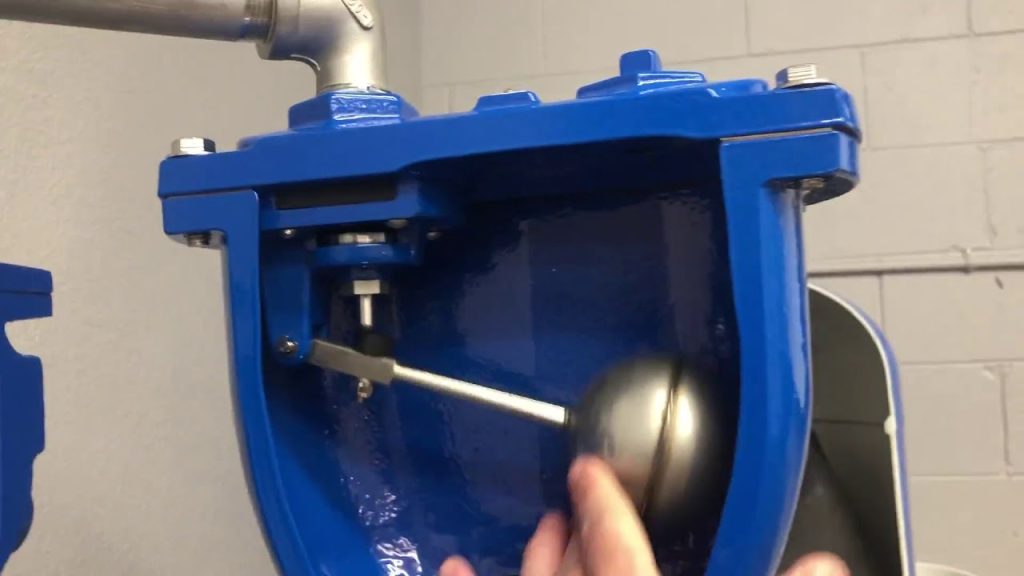
Table of contents
- What Is An Air Valve
- Why Air Valves Matter More Than You Think
- The 3 Types of Air Valves (And When to Use Each)
- Where to Install Air Valves (The Strategic Approach)
- How Air Valves Actually Work (The Simple Explanation)
- Common Air Valve Problems (And How to Fix Them)
- Sizing Air Valves (The Right Way)
- Installation Best Practices
- Maintenance That Actually Matters
- Advanced Considerations for 2025
- The Cost of Getting It Wrong
- Your Action Plan
- The Bottom Line
What Is An Air Valve
What is an air valve? It’s a mechanical device that automatically controls air flow in liquid piping systems. Think of it as the lungs of your water system – releasing trapped air when needed and letting air in to prevent dangerous vacuums.
Pretty simple, right?
But here’s the thing:
Choosing the wrong air valve (or skipping them altogether) can lead to some serious problems. We’re talking pipe damage, reduced efficiency, and even complete system failure.
In this guide, as a professional air valve manufacturer, I’ll break down everything you need to know about air valves. No fluff. Just actionable info you can use right away.
Let’s dive in.
Why Air Valves Matter More Than You Think
Look:
Most people don’t think about air valves until something goes wrong.
Big mistake.
Here’s what happens when air gets trapped in your pipes:
Reduced efficiency: Air pockets create blockages that force pumps to work harder. I’ve seen energy consumption increase by up to 30% in systems without proper air valves.
Water hammer: Those loud banging sounds? That’s water hammer. And it’s not just annoying – it can literally destroy your pipes.
Corrosion: Oxygen in trapped air accelerates pipe corrosion. One study found that pipes without air valves corroded 40% faster than those with proper ventilation.
Inaccurate metering: Air pockets throw off flow meters, leading to billing errors and system inefficiencies.
Bottom line?
Air valves aren’t optional. They’re essential for any liquid piping system.
The 3 Types of Air Valves (And When to Use Each)
Not all air valves are created equal.
In fact, there are three main types. And each serves a specific purpose:
1. Air Release Valves (Small Orifice)
These are the workhorses of the air valve world.
Air release valves continuously vent small air pockets from pressurized systems. They’re perfect for removing dissolved air that separates from water during normal operation.
When to use them: Install these at high points in your system where air naturally accumulates.
Pro tip: Space them every 800 meters on long pipe runs for optimal performance.
2. Air & Vacuum Valves (Large Orifice)
Think of these as the heavy lifters.
Air and vacuum valves handle large volumes of air during:
- Pipeline filling
- System draining
- Sudden pressure drops
They open wide to let air rush in or out quickly, preventing vacuum formation that could collapse pipes.
When to use them: Critical at pump stations and anywhere you might drain sections of pipe.
3. Combination Air Valves
Can’t decide between the two? Get both.
Combination valves (also called double-orifice valves) combine the functions of both air release and air & vacuum valves in one unit.
When to use them: These are ideal for most applications, especially when you’re not sure which type you need.
Where to Install Air Valves (The Strategic Approach)
Location matters.
A lot.
Install air valves in the wrong spot, and they’re basically expensive decorations.
Here’s my proven placement strategy:
High Points Are Critical
Air is lighter than water. (Obviously.)
So it rises to the highest points in your system. That’s where you must install air valves.
This includes:
- Pipeline peaks
- Temporary high points
- Changes in slope
Long Pipe Runs Need Love Too
Even on relatively flat sections, install air valves every 500-800 meters.
Why?
Because air accumulates over distance. And small bubbles combine into larger, more problematic air pockets.
After Flow Control Devices
Pumps, valves, and flow restrictors create turbulence.
Turbulence = air entrainment.
Always install air release valves downstream from:
- Pumps
- Control valves
- Flow meters
- Pressure reducing valves
Before and After Isolation Valves
Quick-closing valves can create vacuum conditions.
Install air & vacuum valves on both sides to prevent damage during operation.
How Air Valves Actually Work (The Simple Explanation)
Let me break down the mechanics:
For air release valves:
- Air accumulates in the valve chamber
- The float drops as air displaces water
- This opens a small orifice
- Air escapes until water rises again
- Float rises and seals the orifice
For air & vacuum valves:
- Large float stays open when pipe is empty
- Water rises during filling, pushing air out
- Float rises with water level
- Seals shut when pipe is full
- Opens again if pressure drops below atmospheric
Pretty straightforward, right?
But here’s what most people miss:
The float design is crucial. Cheap valves use hollow plastic floats that can become waterlogged. Quality valves use solid stainless steel or engineered polymer floats that last decades.
Common Air Valve Problems (And How to Fix Them)
Even the best air valves can fail.
Here are the most common issues I see:
Problem 1: Valve Won’t Close
Symptoms: Continuous water spray from valve
Causes:
- Debris blocking the seal
- Worn sealing surfaces
- Damaged float
Fix: Clean or replace internal components
Problem 2: Valve Won’t Open
Symptoms: Air accumulation despite valve presence
Causes:
- Clogged orifice
- Stuck float
- Incorrect valve type
Fix: Disassemble and clean, or replace with correct valve type
Problem 3: Water Hammer Despite Air Valves
Symptoms: Banging noises, pressure spikes
Causes:
- Valves closing too quickly
- Insufficient air valve capacity
- Poor valve placement
Fix: Install slow-closing valves or add more air valve capacity
Sizing Air Valves (The Right Way)
Here’s where many engineers mess up.
They size air valves based on pipe diameter alone.
Big mistake.
Proper sizing considers:
- Flow rate: Higher flows need larger valves
- Operating pressure: Affects air discharge capacity
- Pipeline profile: More elevation changes = more air handling needed
- Fill rate: Fast-filling systems need larger orifices
Use manufacturer sizing charts, but remember:
It’s better to oversize slightly than undersize. An oversized valve still works. An undersized valve causes problems.
Installation Best Practices
Want your air valves to last?
Follow these installation tips:
Use Proper Support
Air valves can be heavy, especially larger models.
Never let the valve weight stress the pipeline. Use concrete pads or steel supports.
Install Isolation Valves
Always install a shutoff valve below each air valve.
This lets you service the air valve without draining the entire system.
Consider Valve Chambers
In freezing climates or high-traffic areas, install air valves in protective chambers.
This prevents damage and makes maintenance easier.
Think About Discharge
Air valves can discharge water during operation.
Route discharge away from electrical equipment and walkways. I’ve seen too many slip hazards from poorly planned valve placement.
Maintenance That Actually Matters
Most air valves are pretty bulletproof.
But they’re not maintenance-free.
Here’s my recommended schedule:
Monthly:
- Visual inspection for leaks
- Check discharge areas are clear
Annually:
- Exercise isolation valves
- Clean valve internals
- Check float operation
- Replace worn seals
Every 5 years:
- Complete rebuild or replacement
- Pressure test valve operation
Pro tip: Keep spare parts on hand. When a valve fails, you want to fix it fast.
Advanced Considerations for 2025
The air valve industry isn’t standing still.
Here’s what’s new:
Smart Air Valves
New models include sensors that monitor:
- Air discharge frequency
- Valve operation cycles
- Internal pressure
This data helps optimize system performance and predict maintenance needs.
Anti-Slam Technology
High-performance valves now include features to prevent slam closure, reducing water hammer risk.
Surge Protection Integration
Modern combination valves often include surge anticipation features, providing additional pipeline protection.
The Cost of Getting It Wrong
Let me share a quick story:
Last year, I consulted on a municipal water system experiencing repeated pipe failures.
The culprit? Inadequate air valve coverage.
The fix cost $50,000 in air valves.
But it saved them from $500,000+ in annual pipe repairs and water loss.
That’s a 10X return in the first year alone.
Your Action Plan
Ready to optimize your system?
Here’s what to do:
- Audit your current air valves: Map their locations and conditions
- Identify gaps: Look for high points and long runs without valves
- Size properly: Use manufacturer tools, not guesswork
- Install strategically: Follow the placement guidelines above
- Maintain regularly: Set up a maintenance schedule and stick to it
The Bottom Line
What is an air valve?
It’s your pipeline’s insurance policy against air-related problems. From preventing water hammer to reducing energy costs, proper air valve selection and placement pays dividends for years.
Don’t wait for problems to develop. Get your air valve strategy right from the start.
Your pipes (and your budget) will thank you.