Quick Summary:
All ball valves are isolation valves, but not all isolation valves are ball valves. Ball valves deliver fast quarter-turn shut-off, bubble-tight sealing, and minimal pressure drop—making them a strong default choice for most isolation applications. However, gate valves and butterfly valves can be better fits when space is tight, pipe diameters are large, or upfront cost is a priority. Choose based on your operating conditions, frequency of use, and long-term maintenance costs, not just the sticker price.
When you’re standing in front of a piping system that needs maintenance, and you’re staring at a valve spec, unsure whether you need a ball valve or an isolation valve. Choosing the wrong valve can lead to leaks, seized stems, extended shutdowns, and failed safety procedures.
Meanwhile, ball valves shut off instantly with a quarter turn and seal bubble-tight, but they’re not built for throttling. And while gate valves seem cheaper upfront, they’re prone to corrosion over time.
In this guide, as a professional ball valve manufacturer, I will break down the ball valve vs isolation valve distinction: what each term really means, how they compare, when to choose ball, gate, or butterfly valves, and practical selection tips.
Ball Valve and Isolation Valve Definition
What Is an Isolation Valve?
An isolation valve is a functional category. It’s any valve designed to stop fluid flow to a specific part of a system for maintenance, safety, or emergency response. That’s it. The term doesn’t describe one specific piece of hardware. It describes a job.
Think of it this way: if a valve can create a positive shut-off, it can serve as an isolation valve. That includes:
- Ball valves
- Gate valves
- Butterfly valves
- Plug valves
- Globe valves
- Diaphragm valves
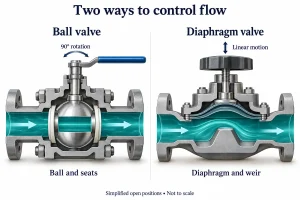
Each of these designs can isolate a section of piping. But they all do it differently. Some use a sliding gate. Some use a rotating disc. Some use a flexible diaphragm.
The key thing to remember? Isolation valve is the category. Ball valve is one specific example of that category.
What Is a Ball Valve?
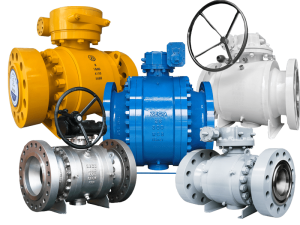
A ball valve is a specific valve design. It uses a hollow, pivoting ball inside the valve body. The ball has a hole through the middle. When that hole lines up with the pipe, fluid flows freely. When the handle turns 90 degrees, the hole sits perpendicular to the pipe, and flow stops instantly.
That quarter-turn operation is one of the reasons ball valves are so popular. You don’t need to crank a wheel multiple times. One quick motion and you’re either fully open or fully closed.
Ball valves are known for:
- Fast shut-off
- Tight, reliable sealing
- Low pressure drop when fully open
- Durability in demanding environments
You’ll find them everywhere from residential water lines to heavy industrial chemical processing. In my experience, they’re often the default choice when you need quick isolation and minimal leakage.
Ball Valve vs Isolation Valve: The Key Differences
Here’s where things get interesting.
The ball valve vs isolation valve comparison isn’t really a head-to-head battle. It’s more like comparing “vehicle” to “truck.” A truck is a type of vehicle. But not every vehicle is a truck.
Same logic applies here.
Category vs. Design
- Isolation valve = a broad functional classification
- Ball valve = a specific mechanical design
Every ball valve can be an isolation valve. But not every isolation valve is a ball valve. A gate valve is an isolation valve. A butterfly valve is an isolation valve. A plug valve is an isolation valve. None of those are ball valves.
Operation Speed
Ball valves shut off with a simple 90-degree turn. That makes them incredibly fast to operate.
Other isolation valves, like traditional gate valves, require multiple rotations of a handwheel. If you’re dealing with an emergency, those extra seconds matter. A lot.
Flow Restriction
A full-port ball valve offers virtually zero resistance when open. The hole in the ball matches the pipe diameter, so fluid flows through without a significant pressure drop.
Some other isolation valves can restrict flow. For example, standard compression-style service valves often have a smaller internal diameter. That can reduce flow rate and cause pressure issues downstream.
Sealing Performance
Ball valves provide a “bubble-tight” seal. That means no measurable leakage when the valve is closed. That’s a huge deal in applications where you can’t afford even a tiny leak.
Other isolation valves, especially older metal-seated gate valves, are more prone to leaking over time. Their seals degrade. Their stems corrode. And before you know it, your “closed” valve isn’t really closed.
Space Requirements
Here’s a small but important detail. A quarter-turn ball valve handle needs clearance to swing. That means ball valves often require more installation space than a multi-turn gate valve.
If your piping is cramped, a compact butterfly valve might fit better. Or you might need to position the ball valve handle carefully.
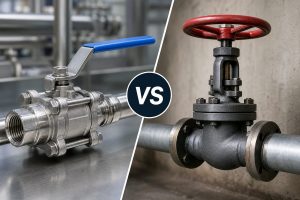
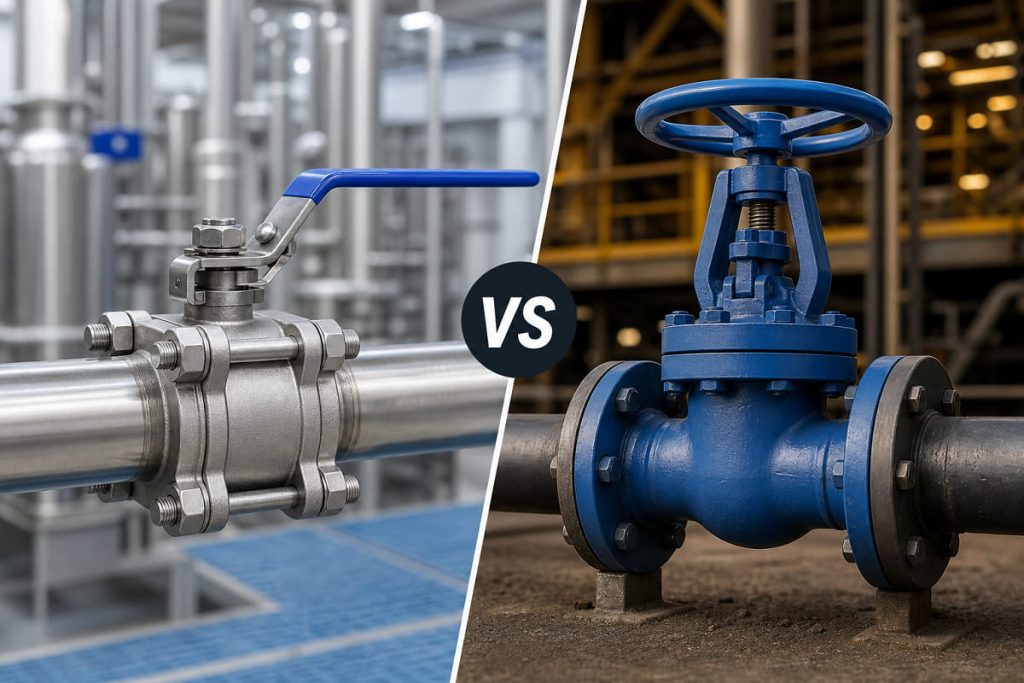
Ball Valve vs Gate Valve: The Most Common Showdown
In the real world, the most common isolation valve comparison is ball valve vs gate valve. Why? Because both are used heavily in water, oil, gas, and industrial systems.
Let me break down the differences.
| Factor | Ball Valve | Gate Valve |
|---|---|---|
| Shut-off speed | Fast, 90-degree turn | Slow, multiple turns |
| Longevity | Long-lasting, less prone to damage | Stem corrosion can be an issue |
| Initial cost | More expensive | Usually less expensive |
| Sealing | Tight, bubble-tight seal | More prone to leaks over time |
| Ports | Two or more possible | Limited to two |
| Space needed | More for handle swing | Less space needed |
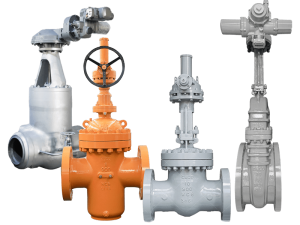
A gate valve uses a flat gate, disc, or wedge that moves up and down to stop flow. You’ve probably used one without realizing it. The classic garden hose valve is a common example. You turn the handle around and around, and the gate rises or lowers.
Gate valves aren’t bad. They’re just not ideal for frequent operation. In my experience, they’re better suited for lines that stay open or closed for long periods.
Ball valves shine when you need fast, reliable shut-off. That’s why they dominate modern process industries. In fact, by 2026, I expect ball valves to be even more dominant, especially with improved metal-seated options for severe service.
When Should You Use a Ball Valve as an Isolation Valve?
Now let’s get practical.
If you’re wondering whether to use a ball valve for isolation, here’s my simple answer: usually, yes.
Ball valves are the go-to choice for isolation in many applications because they check all the important boxes. Here’s where they really stand out:
1. You Need Quick Shut-Off
A quarter turn closes the valve instantly. That’s why ball valves are used in emergency shutdown systems. You don’t want to crank a wheel 10 times while a line is spraying hazardous fluid.
2. You Need a Reliable Seal
Leaks cost money. They cause downtime. They create safety risks. Ball valves give you a tight seal, even after years of service. That’s especially true with soft-seated ball valves.
3. You Operate the Valve Frequently
Ball valves handle repeated cycling better than gate valves. If your team opens and closes a line every day, a ball valve will hold up much better.
4. You Want Minimal Pressure Drop
Full-port ball valves allow maximum flow. No unnecessary restrictions. No energy wasted. Just clean, efficient fluid movement.
5. You’re Handling Dangerous or Expensive Fluids
When you absolutely cannot afford a leak, a ball valve is your best friend. The bubble-tight shut-off protects personnel, equipment, and the environment.
Pro Tip: If your process involves high temperatures, high pressures, corrosives, or abrasives, consider a metal-seated ball valve. Soft seats can degrade under those conditions. A metal-seated design gives you the durability you need without sacrificing shut-off performance.
When Should You Choose Something Else?
Ball valves are great. But they’re not the only option. And sometimes they’re not the best option.
Here are a few situations where you might want to look beyond a ball valve:
You Need Throttling or Flow Control
Ball valves are designed for fully open or fully closed operation. They’re not meant for precise flow regulation. If you use a ball valve to throttle flow, you can damage the seat and eventually compromise the seal.
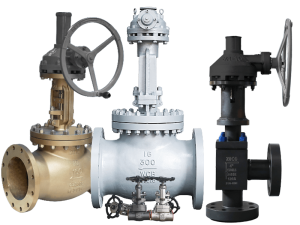
For continuous flow control, you want a globe valve or a control valve. That’s a completely different job.
You Have a Tight Space Constraint
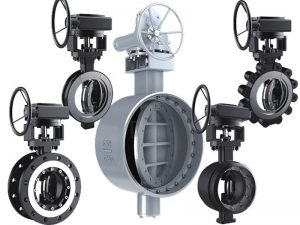
As I mentioned earlier, ball valves need room for the handle to travel. If your installation space is limited, a butterfly valve might be a better fit. Butterfly valves are compact, lightweight, and still provide reliable isolation.
You’re Working with Large-Diameter Pipes
For big pipelines, ball valves can get expensive and heavy. Butterfly valves are often more cost-effective in larger sizes. They’re commonly used in water distribution and HVAC systems.
You Need a More Budget-Friendly Option
Gate valves are usually cheaper than ball valves of similar specs. If your application doesn’t require fast shut-off or frequent operation, a gate valve can save you money upfront.
But here’s the catch. The lower initial cost can disappear quickly if the valve fails early or needs constant maintenance. I always tell people to think about lifecycle cost, not just purchase price.
A Simple Way to Choose
If you’re feeling overwhelmed, don’t worry. Valve selection doesn’t have to be rocket science.
Here’s my personal framework for choosing between ball valves and other isolation valves:
- Need fast, reliable shut-off? → Choose a ball valve
- Need full-port flow with minimal pressure drop? → Choose a ball valve
- Need to handle abrasives or corrosives? → Choose a metal-seated ball valve
- Need a compact design for a large pipe? → Choose a butterfly valve
- Need an inexpensive valve that’s rarely operated? → Choose a gate valve
- Need precise flow regulation? → Do not choose a ball valve. Choose a globe or control valve
That’s the whole secret. Match the valve design to your actual operating needs.
A Quick Note on Maintenance
No valve is maintenance-free. Even ball valves need attention from time to time.
Here’s what I recommend:
- Exercise valves periodically. This prevents sticking and buildup.
- Check the stem and seals. Look for signs of wear, corrosion, or leakage.
- Lubricate when needed. A little maintenance goes a long way.
- Document your isolation points. Clear labeling helps operators and maintenance crews work safely.
In 2026, smart valve position indicators and remote monitoring are becoming more common. But the basics still matter. A well-maintained valve will outperform a neglected one every single time.
Frequently Asked Questions
Is a ball valve an isolation valve?
Yes. A ball valve can absolutely be used as an isolation valve. In fact, it’s one of the most reliable options for isolation because of its tight seal and quick operation.
What’s the difference between a ball valve and an isolation valve?
An isolation valve is a broad category. A ball valve is a specific type of valve within that category. All ball valves are isolation valves, but not all isolation valves are ball valves.
Can I use a ball valve to regulate flow?
Technically, you can. But you shouldn’t. Ball valves are made for on/off service. Using them for throttling can damage the ball and seat, which leads to leaks and premature failure.
The Bottom Line
The ball valve vs isolation valve comparison isn’t really a fight. It’s a relationship. An isolation valve is any valve that stops flow for maintenance or safety. A ball valve is a specific quarter-turn design that does that job incredibly well.
If you ask me, ball valves are the smart default for most isolation applications in modern systems. They’re fast, durable, and reliable. But you also need to know when another style—like a gate valve or butterfly valve—makes more sense.
Choose based on your process conditions. Think about shut-off speed, sealing performance, space, and long-term maintenance costs.
And the next time someone asks you about the ball valve vs isolation valve debate, you’ll know exactly what to say.