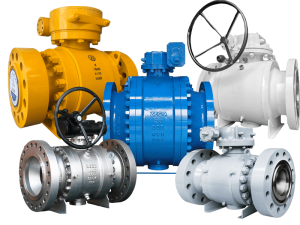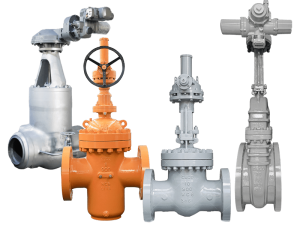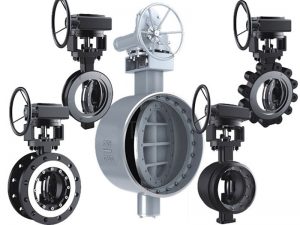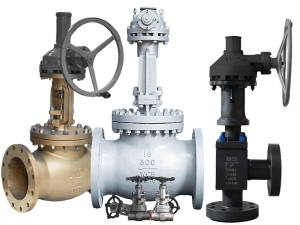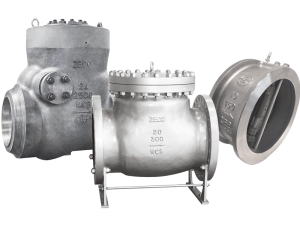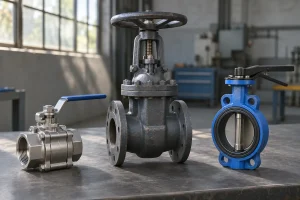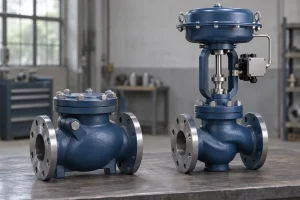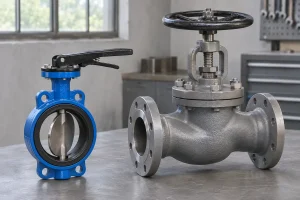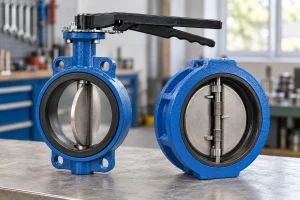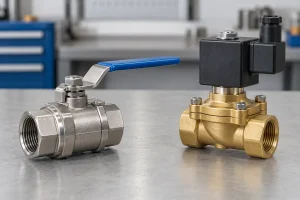
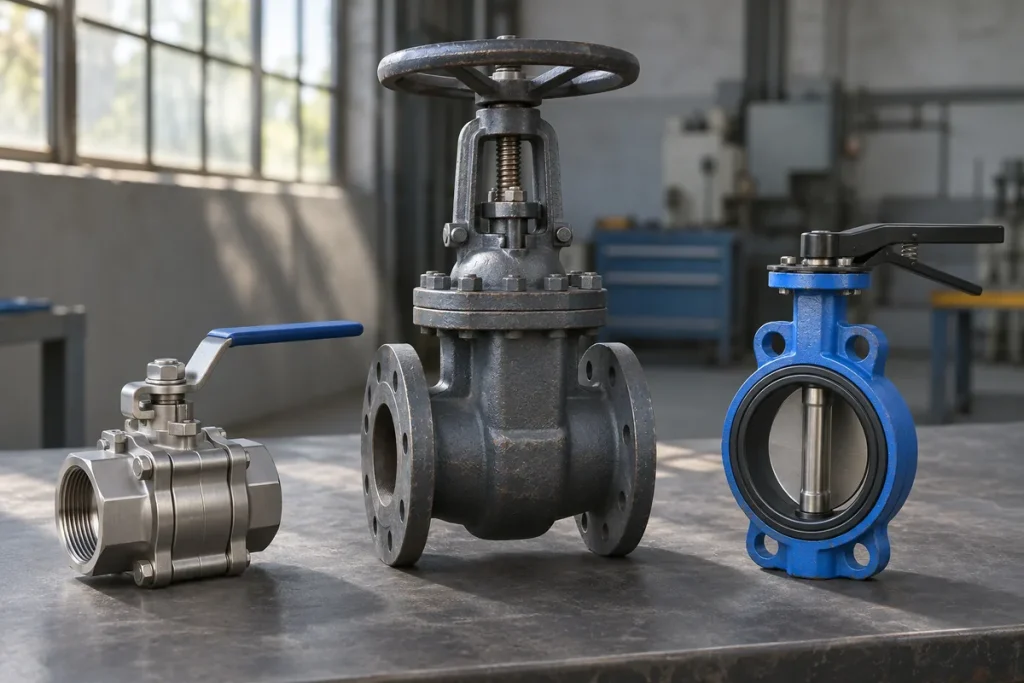
Choose a ball valve for frequent, tight shutoff, a gate valve for a normally open line that needs a clear bore, or a butterfly valve for a large pipe with little room between flanges. If you’re weighing ball valve vs gate valve vs butterfly valve for sustained throttling, shortlist a butterfly valve rated for modulation or a ball valve with a port shaped for control.
| Valve type | How it opens | Flow path when open | Where it earns its place |
|---|---|---|---|
| Ball | A bored ball rotates 90°. | Flow goes through the ball. Port size varies by model. | A filter branch you isolate every week. |
| Gate | A threaded stem moves the gate over several turns. | The gate lifts clear of the bore. | A normally open water main with little pressure to spare. |
| Butterfly | A disc rotates 90°. | Flow passes around the edge-on disc. | A chilled-water header with limited space between flanges. |
What each valve does best
Think about where the valve will spend most of its working life. If someone closes it every Friday to change a filter, easy access to the handle matters. On a water main that runs wide open between repairs, an obstruction costs you pressure every hour the pumps run. Both lines need isolation, but you’d have good reason to put a different valve on each.
Ball valves make frequent shutoff easy
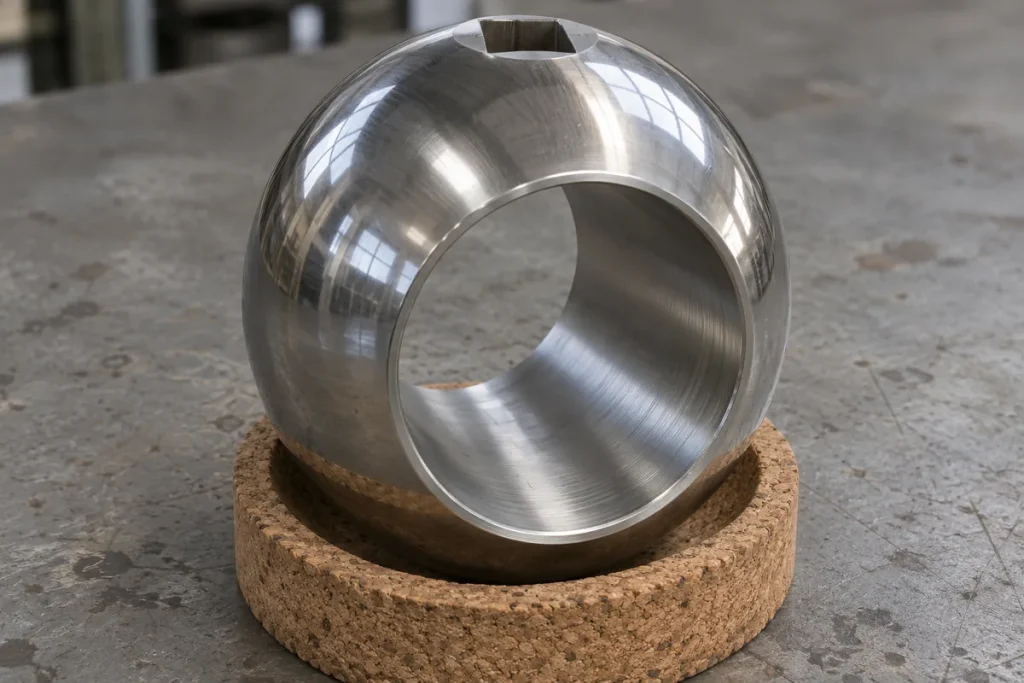
A ball valve takes a quarter turn to go from open to closed. In the open position, a hole through the center of the ball lines up with the pipe. Turn the stem 90° and the solid side of the ball faces the inlet. In a floating ball valve, line pressure presses the ball against the downstream seat to help it seal.
Say you have two cartridge filters on parallel branches. Once a week, the operator switches service from one filter to the other. A lever makes that changeover easy, and its position gives the operator a quick visual check. It’s worth tracing the arc of the handle on the layout drawing. A valve can fit neatly between two filter housings and still leave the person changing filters too little room to close it.
The other detail I’d want on the quote is the bore. Two ball valves marked with the same pipe size can have different openings through the ball. A full-port model keeps that opening roughly the size of the pipe bore. A reduced-port model narrows it. If the filter already runs close to its minimum inlet pressure, compare the pressure loss through each model at the branch’s normal flow before accepting the cheaper one.
Gate valves keep a normally open main clear
A fully open gate valve gives water a straight passage. Each turn of the handwheel lifts the wedge a little farther until it clears the bore. On a main that crews isolate only for repairs, the extra turns at shutdown are usually an easier compromise than giving up pressure every day the main is in service.
Check the space above the handwheel as well as the gap in the pipe. Of the two common gate valve stem designs, a rising stem shows you the gate’s position by how far the stem projects. A low beam can block its travel. A non-rising stem stays at the same height as the gate moves inside the body, which can make it a better fit beneath that beam.
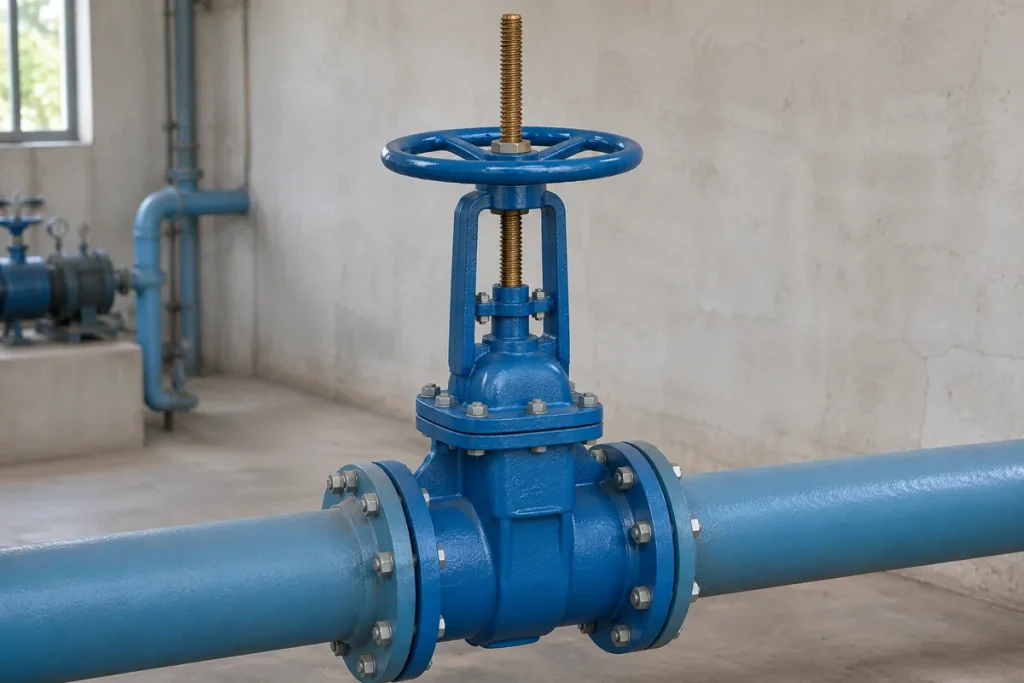
What if the operator wants to leave the gate partway open for a whole shift? Water accelerates through the narrow gap under the wedge. The gate can vibrate, and the jet can wear the surfaces that have to seal at the next shutdown. If the main needs both isolation and routine adjustment, give the regulating duty to a valve designed for it.
Butterfly valves fit large pipes in short spaces
A butterfly valve’s short body is handy when you’re replacing a valve between two fixed pieces of equipment. A wafer body sits between the pipe flanges. Inside it, a disc turns on a shaft until it sits edge-on to the flow. The disc stays in the water’s path even when the valve is fully open.
What the face-to-face dimension leaves out is the space the disc needs as it swings. Its edge can project beyond the body and catch on a thick pipe lining or a nearby fitting. Bray’s disc clearance instructions show why the actual inside diameter at the flange matters. For a retrofit, put the open-disc dimensions beside the drawing of the existing pipe. Matching bolt holes settle only part of the fit question.
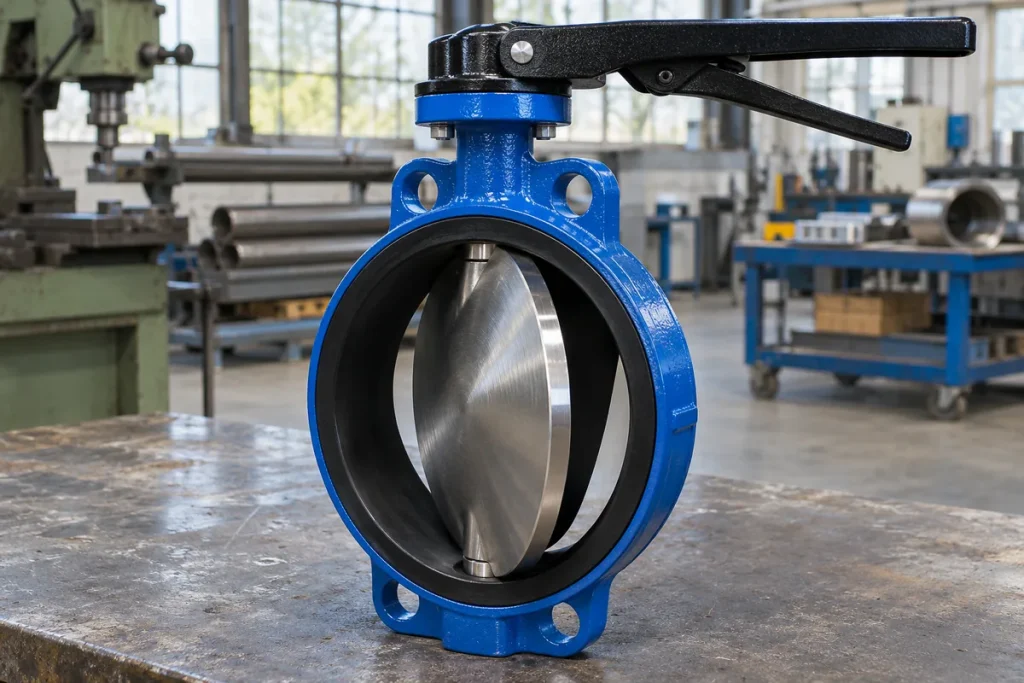
Now suppose the chilled-water header will get an extension and the valve must hold pressure while the downstream spool is off. Tell the supplier you need dead-end service. A lug butterfly valve has a different mounting arrangement from a wafer valve. Before ordering, get the permitted flange arrangement, pressure direction, and dead-end pressure rating in writing for the size you’re buying.
Replacing a valve between fixed flanges? Give ZECO the pipe bore, flange standard, and distance between the mating faces when you ask for a replacement valve quote. Mention any lining that reduces the opening.
How much pressure will the valve use?
Compare each model’s flow coefficient, Cv, at the opening you expect to use. In US units, Cv tells you how many gallons of room-temperature water per minute pass through the valve with a 1 psi pressure drop. For a given water flow, a higher Cv means less pressure lost across the valve.
Look at the 4-inch Series 30/31 butterfly valve in Bray’s Cv table on page 16. At 30° open, its Cv is 62. At 60°, it’s 274. The fully open value, 841, is the right figure to use only if you intend to run the valve there.
Say a branch needs 100 US gallons per minute of room-temperature water and has 2 psi to spare across the valve. For steady water flow without cavitation, divide flow in US gallons per minute by Cv, then square the result to estimate pressure drop in psi.
- At 30° open, (100 ÷ 62)² gives about 2.60 psi. The branch doesn’t have enough pressure to maintain 100 gallons per minute at that opening.
- At 60° open, (100 ÷ 274)² gives about 0.13 psi. That setting is within the 2 psi allowance at the specified flow.
We held flow steady to compare the two settings. On a pumped loop, turning the disc usually changes the flow as well. If the valve will regulate the branch, send the supplier your minimum, normal, and maximum flow rates along with the differential pressure available at each. A selection based on the fully open figure can look fine on paper and still leave you with very little adjustment at low demand.
Which valve can regulate flow throughout the day?
For a valve that spends hours between open and closed, choose a butterfly valve rated for modulating service or a ball control valve with a shaped port. Partly opening an ordinary round-port shutoff ball can concentrate a fast jet against the seat. A V-notch opens progressively as the ball turns. Fisher’s V150 V-notch ball valve, for instance, is designed for both throttling and on/off service.
Think of a cooling coil on a hot afternoon. At peak load, you need enough capacity to carry the full flow. Overnight, the coil may need only a trickle. If the whole overnight adjustment falls within the first few degrees of travel, a small actuator movement can send much more water to the coil than you intended. Ask the supplier to mark both operating points on the flow curve so you can see how much travel separates them.
On a long water line, there’s another reason to look at actuator travel. Stopping moving water abruptly sends a pressure wave along the pipe. The University of Florida’s water hammer guide explains why the speed of closure affects that surge. A quarter-turn valve can take seconds or much longer to close, depending on the operator. Give the system designer the proposed closing time and how the closing speed varies through the stroke.
Which valve gives the tightest seal?
Look for the seat leakage rating at the highest pressure difference the closed valve must hold. Suppose you have 80 psi gauge pressure upstream and the downstream side can be at atmospheric pressure. The seat may see the full 80 psi at shutoff, even though you allowed only 2 psi of pressure loss with water flowing.
A soft-seated ball valve is often a good candidate. A butterfly valve can meet a tight shutoff requirement too. Bray specifies bidirectional bubble-tight shutoff for its Series 30/31, with pressure limits that vary by size. For the model on your quote, ask which seat material was tested, at what pressure, and in which direction.
Then check what touches the fluid. A stainless steel body can contain a soft seat that won’t tolerate your cleaning solution at wash temperature. Give the supplier the chemical concentration, temperature, and exposure time for both production and cleaning. Mention any grit, too. What passes freely through an open valve can still lodge against the seat as it closes.
For a US drinking-water project, identify where the valve will be installed. The EPA’s lead-free requirements for drinking-water fittings include a specific exemption for water distribution main gate valves 2 inches and larger. That distinction matters when a purchase order covers both a distribution main and smaller service connections. Ask for the certification applicable to each line item.
What to put on the quote request
Give each supplier the same duty and dimensions, and ask them to name the model and operator they’ve priced. I’d put the following on the first page so the person preparing the quote can spot a mismatch before it reaches the installation crew.
- Describe an ordinary shift. Does the valve stay open, isolate equipment several times, or adjust continuously? Give the expected cycle count and say whether a person or an actuator operates it.
- Name the fluid, including solids and cleaning agents. Give the working temperature range and identify the highest pressure and temperature the valve may experience together.
- Separate the flow requirement from the shutoff requirement. Include the flow range, allowable pressure loss, maximum differential pressure at closure, acceptable seat leakage, and any possibility of reverse pressure.
- Include the connection standard, actual pipe bore, and distance between mating faces. Mark overhead obstructions and the space available for the lever, handwheel, or actuator.
- Ask for an installed-cost comparison. Include the operator, any new spool or pipe supports, and the parts needed for seat replacement. Moving an existing pipe can cost more than the difference between the two valve prices.
Ready to price the shortlist? Include your quantity and the tightest pressure or clearance limit when you request a valve quote from ZECO. Ask for prices at the same duty point so you can compare ball valve vs gate valve vs butterfly valve.