Butterfly Valve vs Ball Valve: Practical Selection Guide
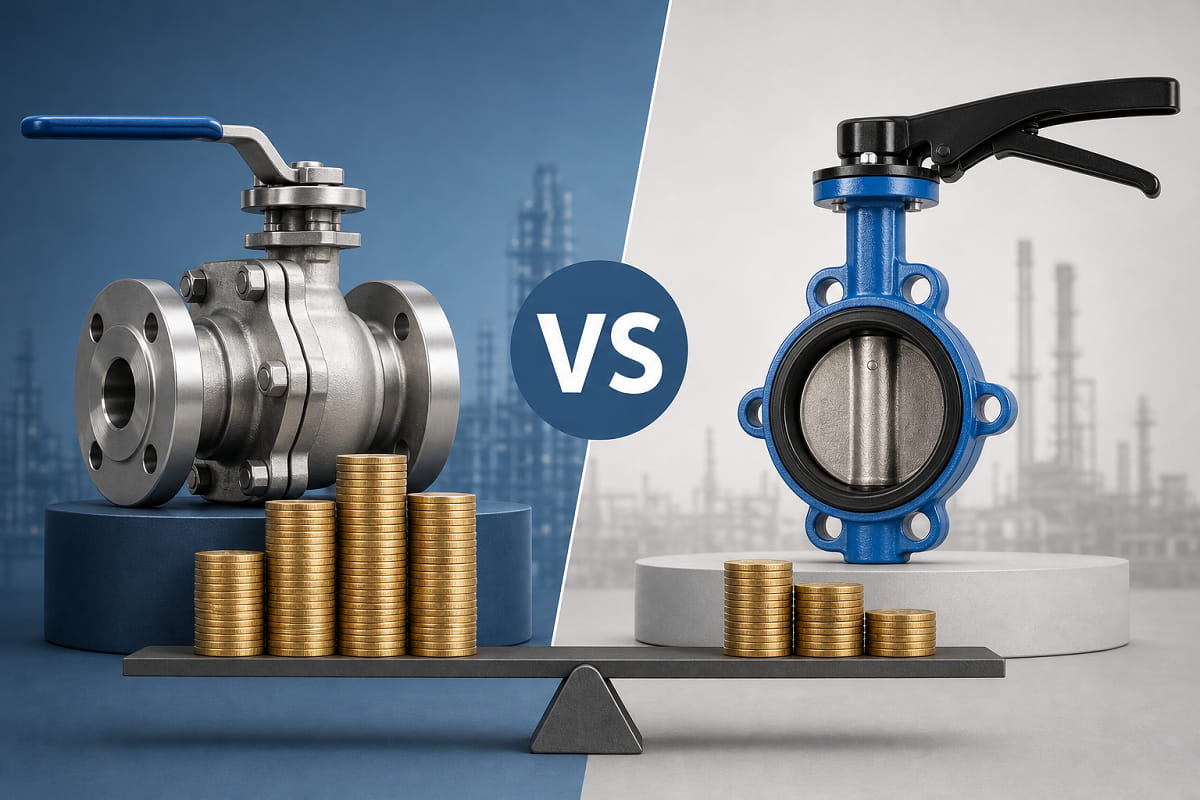
Butterfly valve vs ball valve comparison guide. Learn key differences in pressure handling, cost, sealing performance, and when to choose each valve type for your piping system.
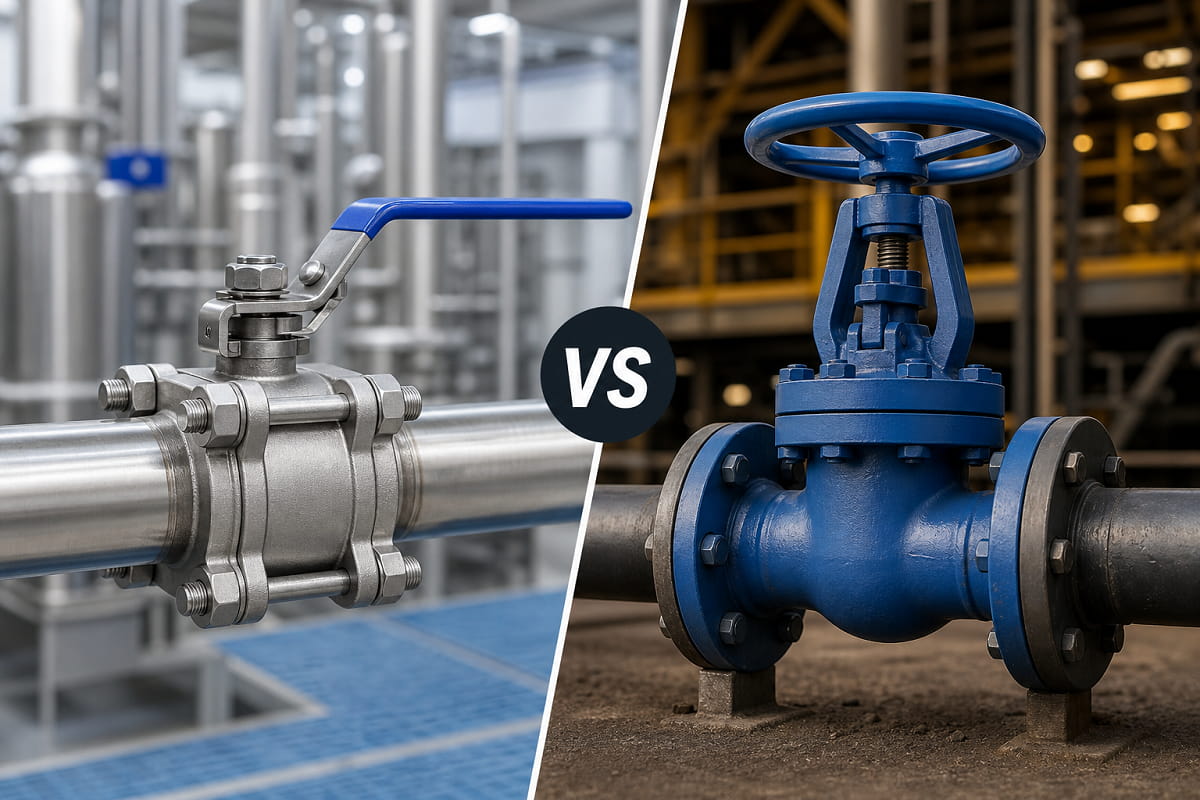
Gate valves for low-pressure-drop isolation; globe valves for precise throttling and sealing. Learn risks, limits, and a 5-step decision process to pick the correct valve for water, steam, oil, and chemical systems.
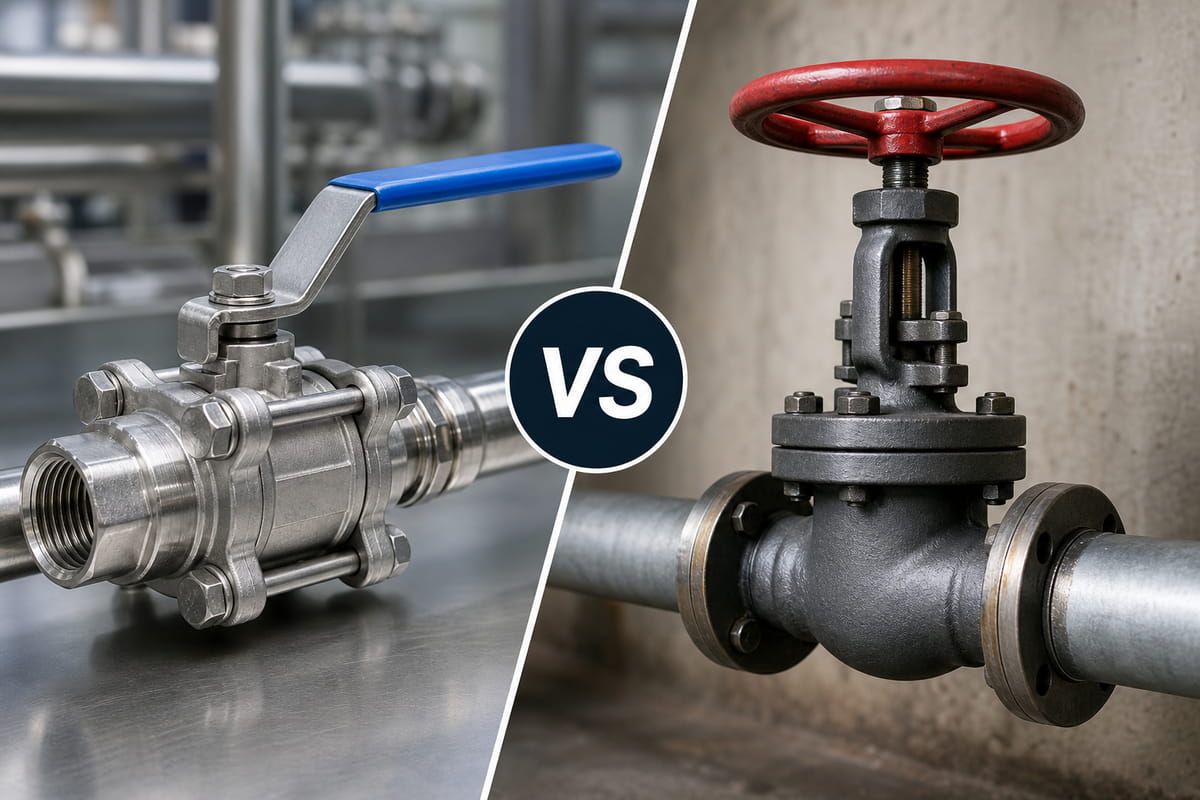
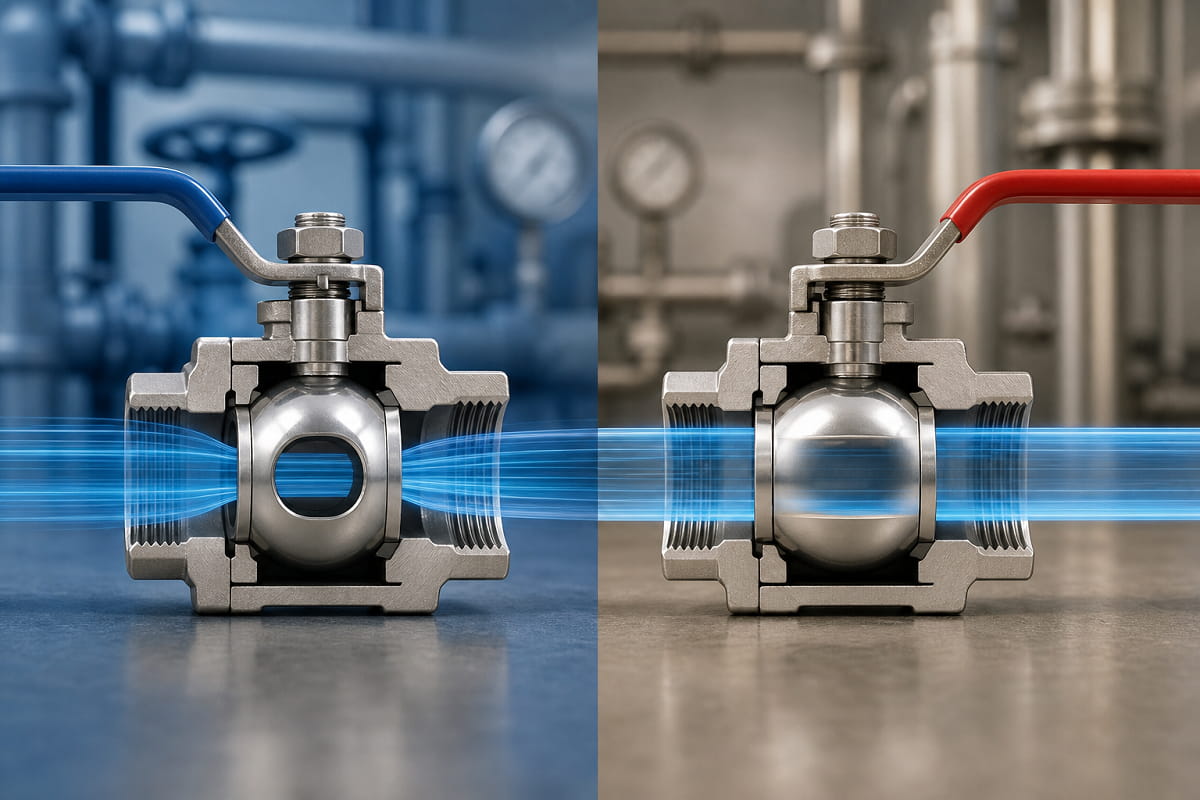
Quick, practical guide comparing ball valves and gate valves — speed, sealing, cost, maintenance, common risks, and a step-by-step selection process to pick the right valve for gas, water mains, compressed air, steam, and more.
Learn how a pressure balancing valve maintains hot/cold pressure to prevent scalding, the key components, common failure modes, installation considerations, and realistic performance expectations for homeowners.
Learn how to adjust balancing valve settings to fix uneven heating/cooling. Step-by-step guide covers manual and automatic valves, proper installation, and troubleshooting tips.
In this guide, as a professional balancing valve manufacturer, I’ll show you exactly what is balancing valve in HAVC, how balancing valves work, which type to choose, and how to use them to optimize your HVAC system.
How does a balancing valve work? A balancing valve works by introducing a calculated amount of resistance into your fluid system, ensuring every branch gets its intended flow rate. Without these valves, water follows the path of least resistance – meaning units closest to the pump get too much flow while distant units starve.
A balancing valve is a specialized control valve that regulates water flow in HVAC and plumbing systems to ensure even distribution of heating or cooling throughout a building.
What is an air valve? It’s a mechanical device that automatically controls air flow in liquid piping systems. Think of it as the lungs of your water system – releasing trapped air when needed and letting air in to prevent dangerous vacuums.
In fact, as a professional air valve manufacturer, I recently helped my neighbor replace all 8 radiator vents in his house. Total time? About 2 hours. Total savings on his next heating bill? $147.