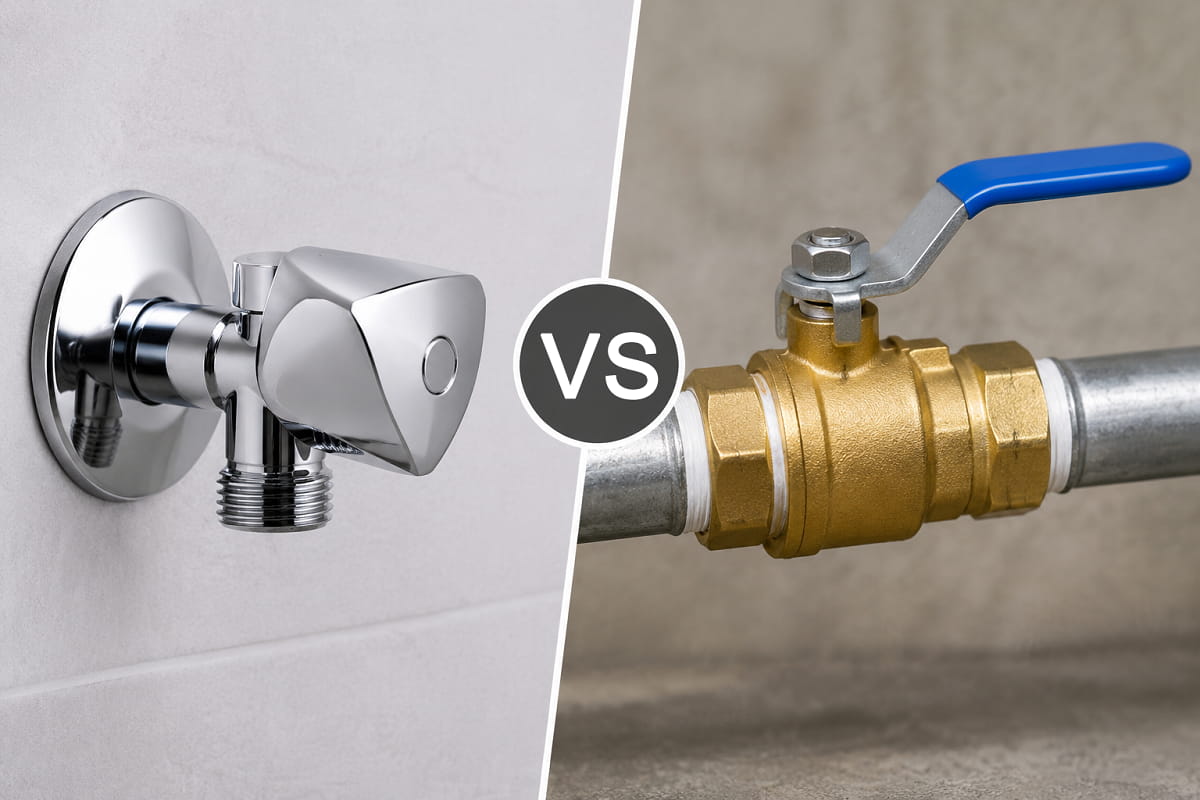
Angle Valve vs Ball Valve: Which One Wins?
Angle valves save space and give you control under sinks. Ball valves deliver full flow for main water lines. Learn which one fits your specific situation before you buy.

Angle valves save space and give you control under sinks. Ball valves deliver full flow for main water lines. Learn which one fits your specific situation before you buy.
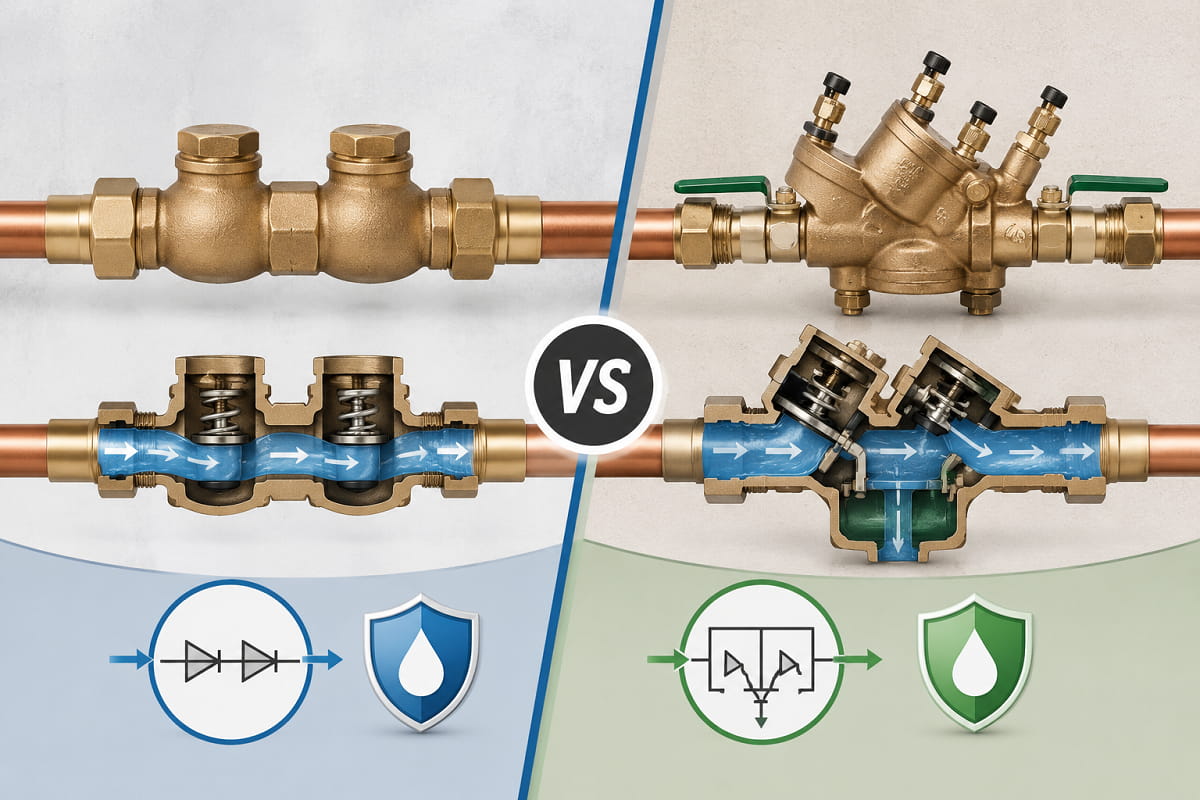
Dual check valves are non‑testable and lack fail‑safes. Backflow preventers (RPZ/DCVA) offer annual testing and relief valves. Learn the key differences and code requirements before you choose.
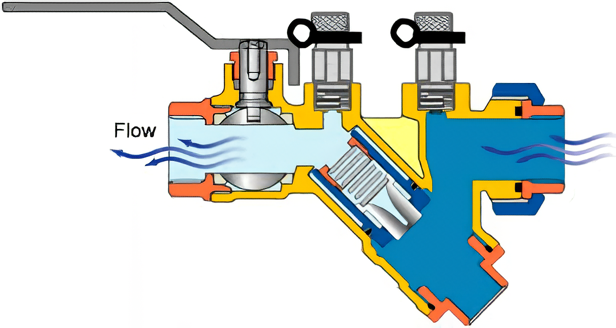
How does a balancing valve work? A balancing valve works by introducing a calculated amount of resistance into your fluid system, ensuring every branch gets its intended flow rate. Without these valves, water follows the path of least resistance – meaning units closest to the pump get too much flow while distant units starve.
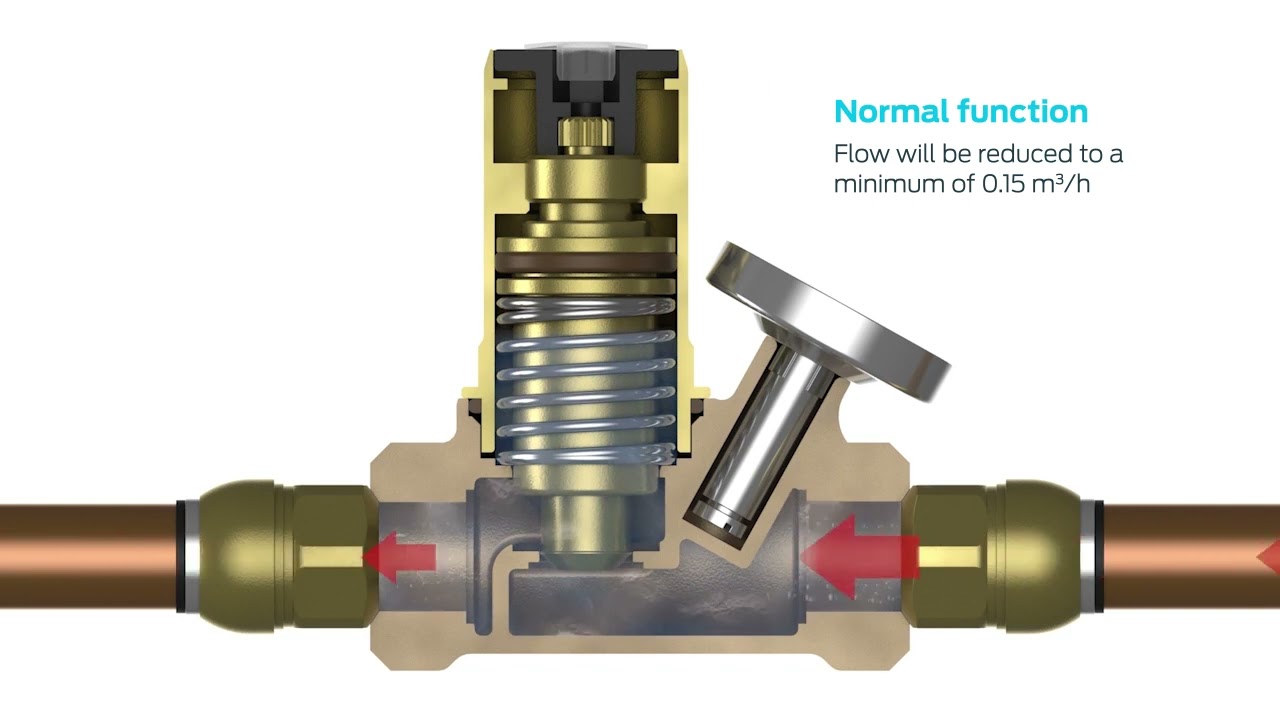
A balancing valve is a specialized control valve that regulates water flow in HVAC and plumbing systems to ensure even distribution of heating or cooling throughout a building.
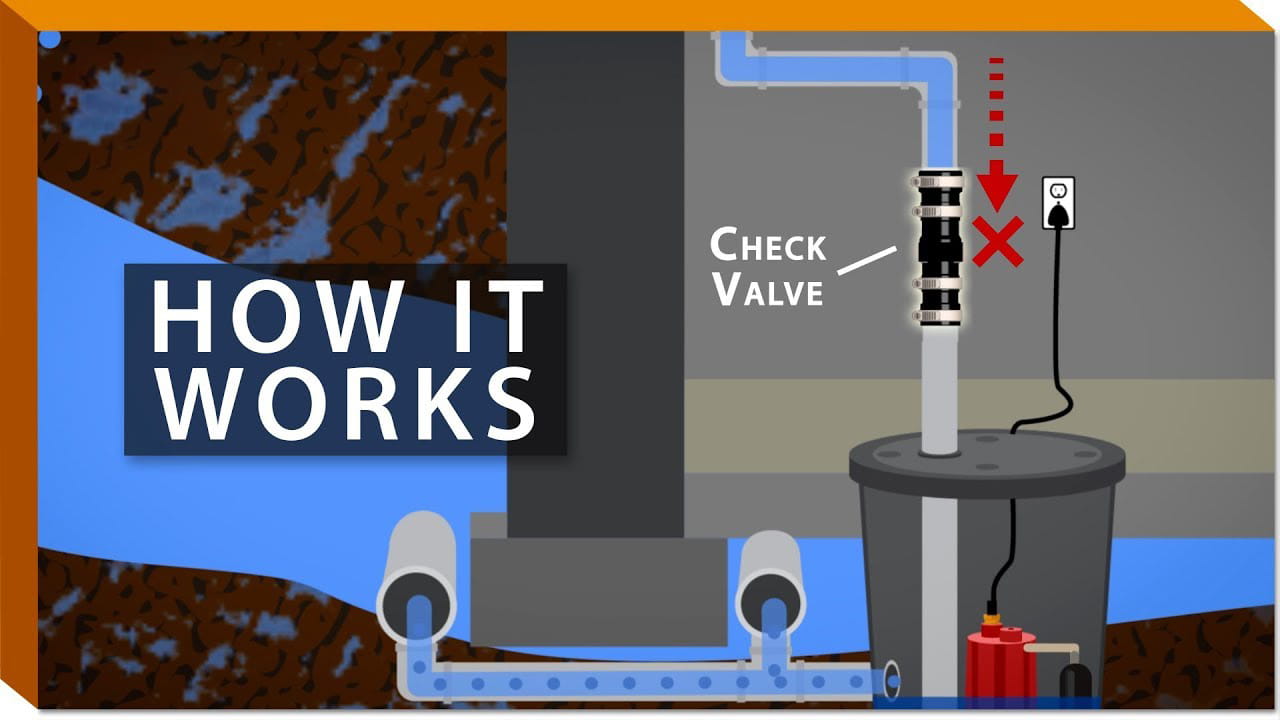
Ever wonder why your basement doesn’t flood when your sump pump turns off? Or why contaminated water doesn’t flow backward into your … Read more
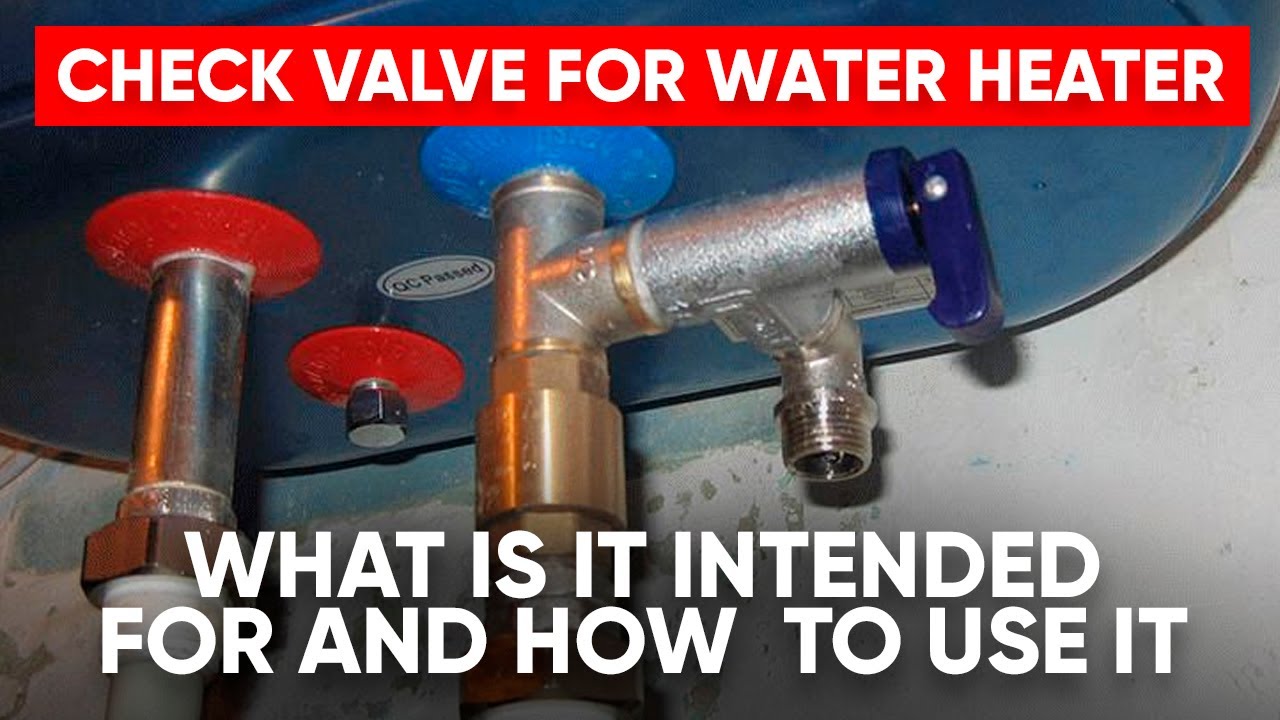
In this guide, as a professional check valve manufacturer, I’ll show you exactly where to find your check valve, how to know if it’s working properly, and what to do when it’s not.
Ever notice your well pump turning on and off like it’s doing cardio? Or maybe your water pressure drops faster than a … Read more
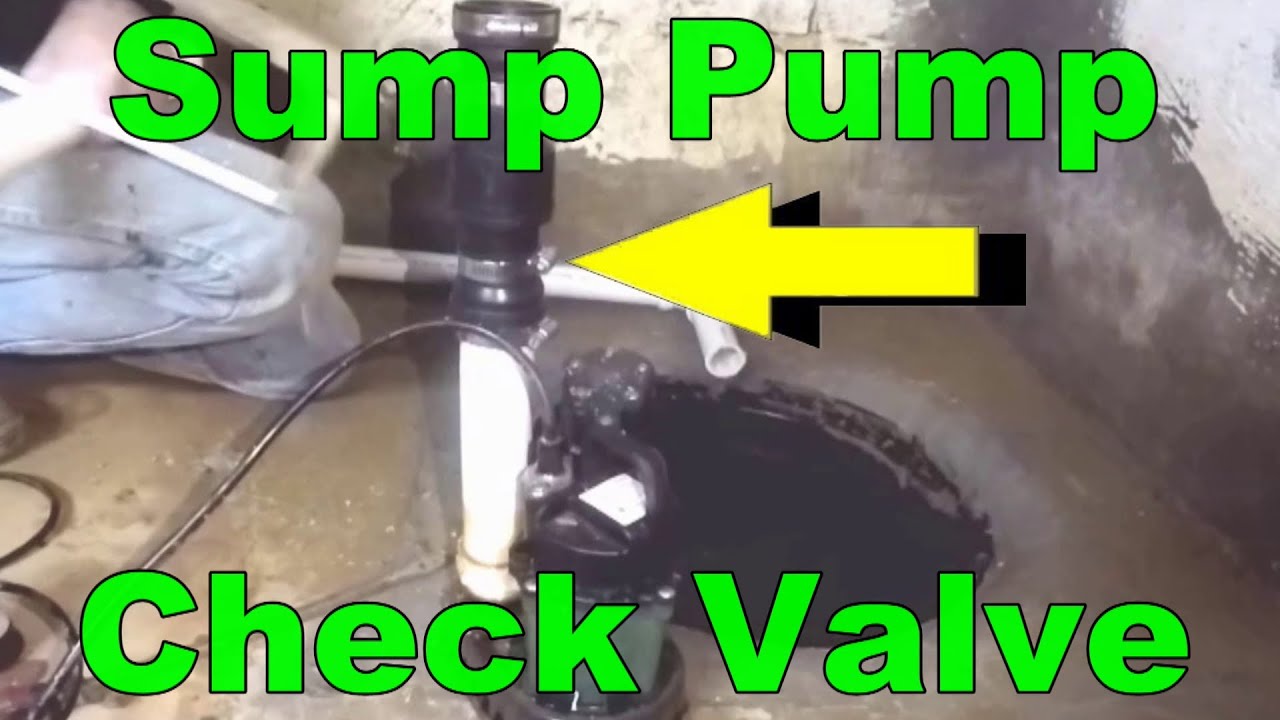
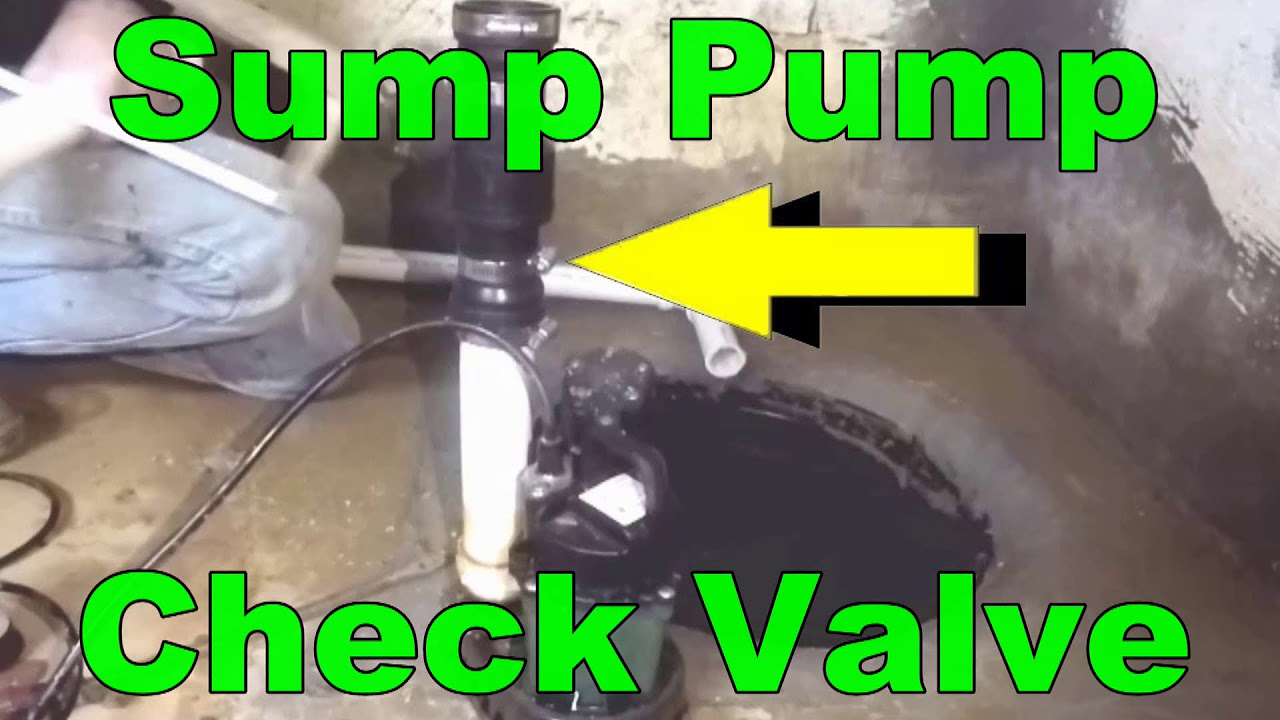
Installing a check valve in your sump pump system isn’t just a “nice to have” upgrade. It’s absolutely essential. Without one? Your … Read more
After confirming the valve parameters, quantity, delivery method and time with your customer service representative, your payment will reach our company’s financial … Read more

EMAIL: commercial@zecovalve.co.uk
Tel:
44- 7868 71 9698
ADDRESS:
22 Guild Rd, London,
UNITED KINGDOM
© ZECO VALVE GROUP