Check Valve vs Backflow Valve: Key Differences and Uses
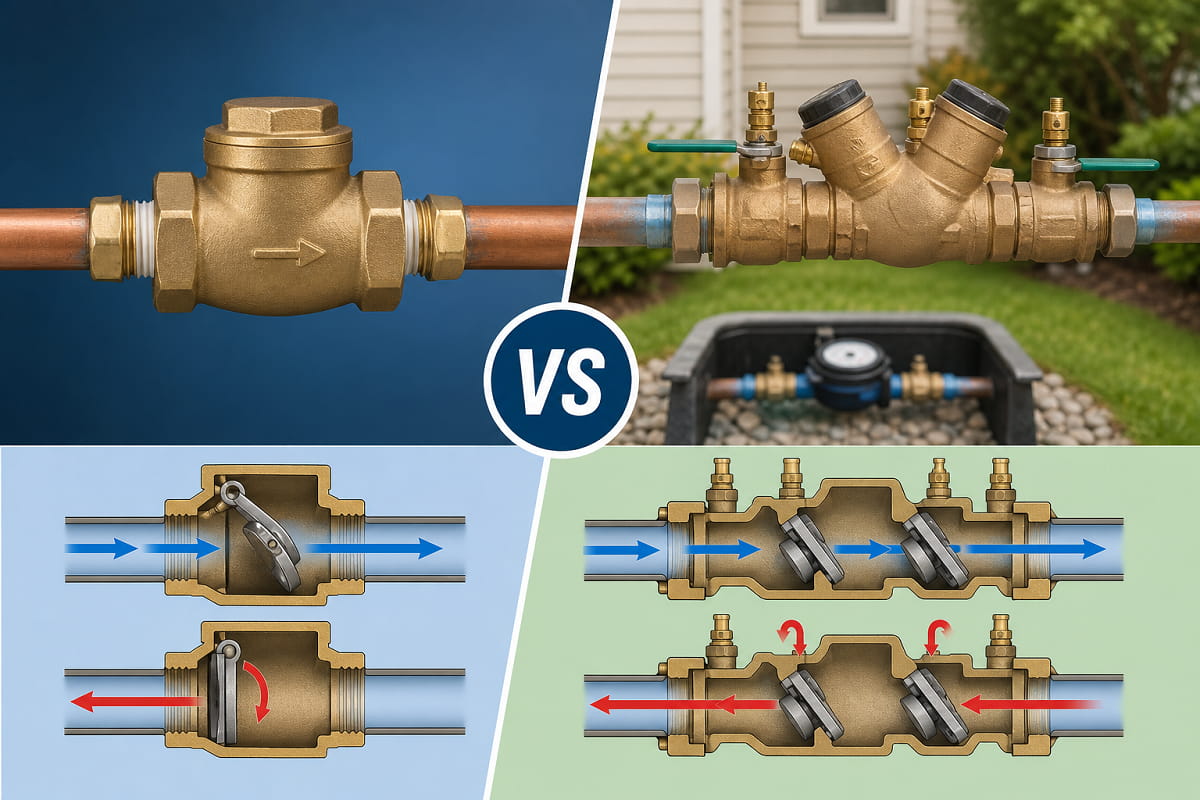
Learn the difference between check valves and backflow preventers, including applications, code requirements, testing, costs, and how to choose the right device.
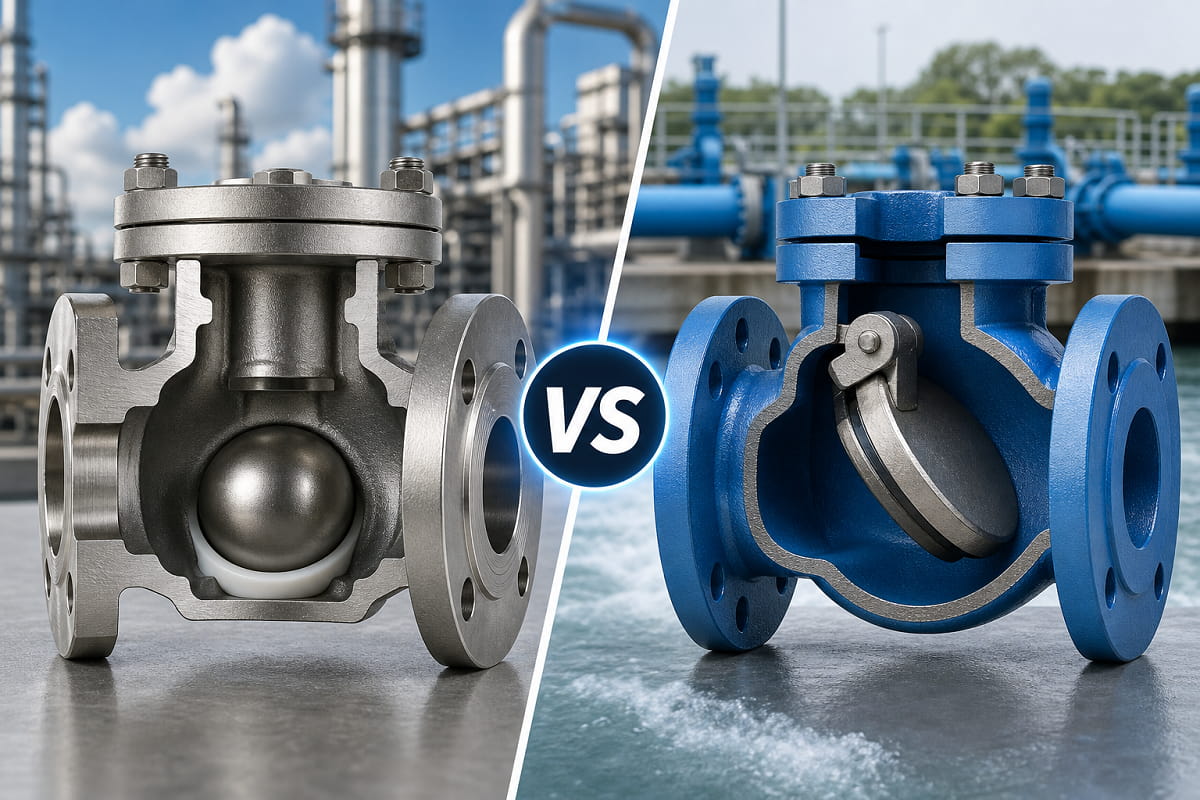
Compare ball check valve vs swing check valve by pressure drop, response time, water hammer risk, pipe size, installation orientation, and cost. Find the right valve for your system.
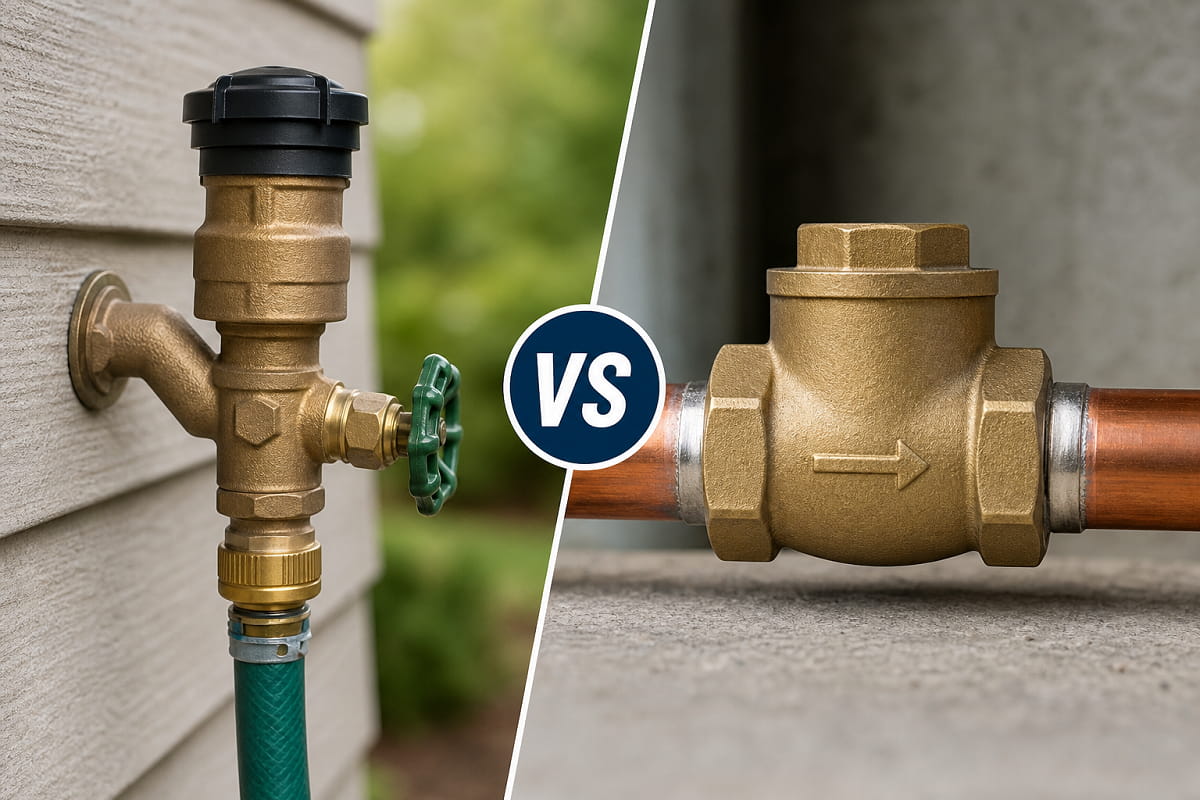
Compare anti-siphon valve vs check valve: how each works, where each belongs, installation rules, code concerns, and why check valves are not safe for potable water protection.
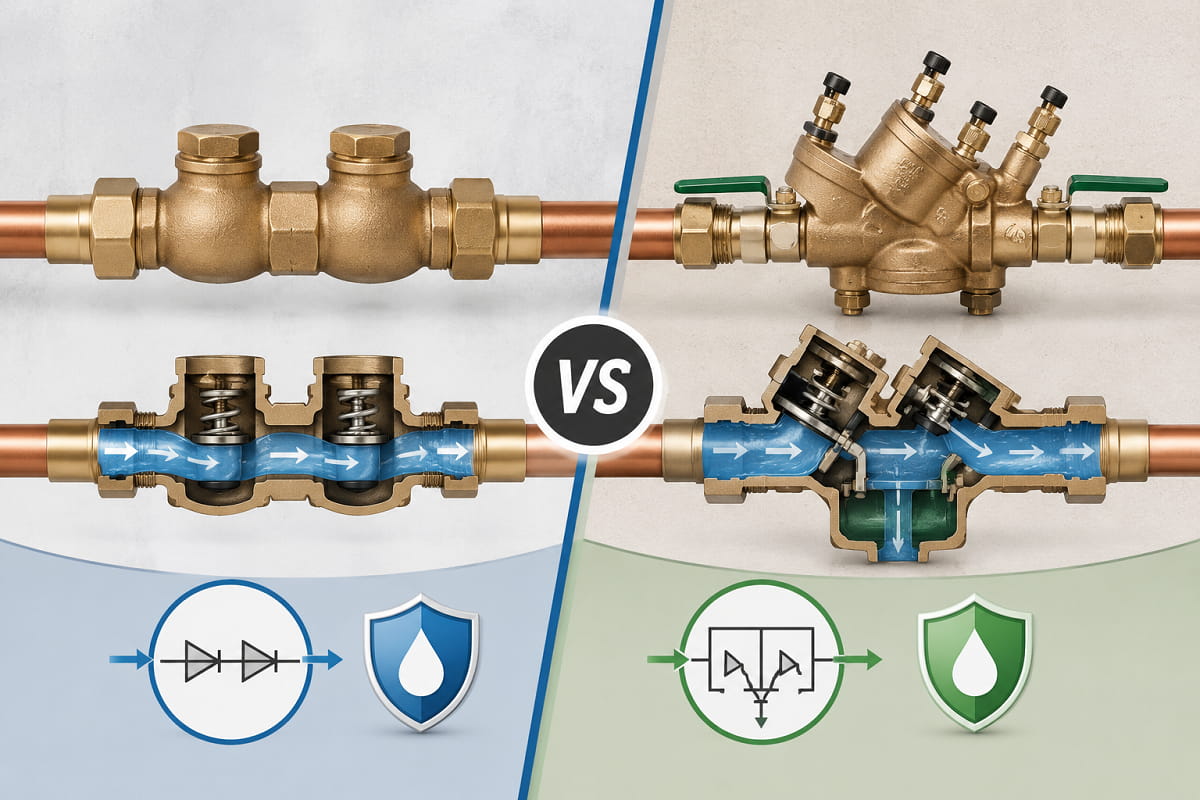
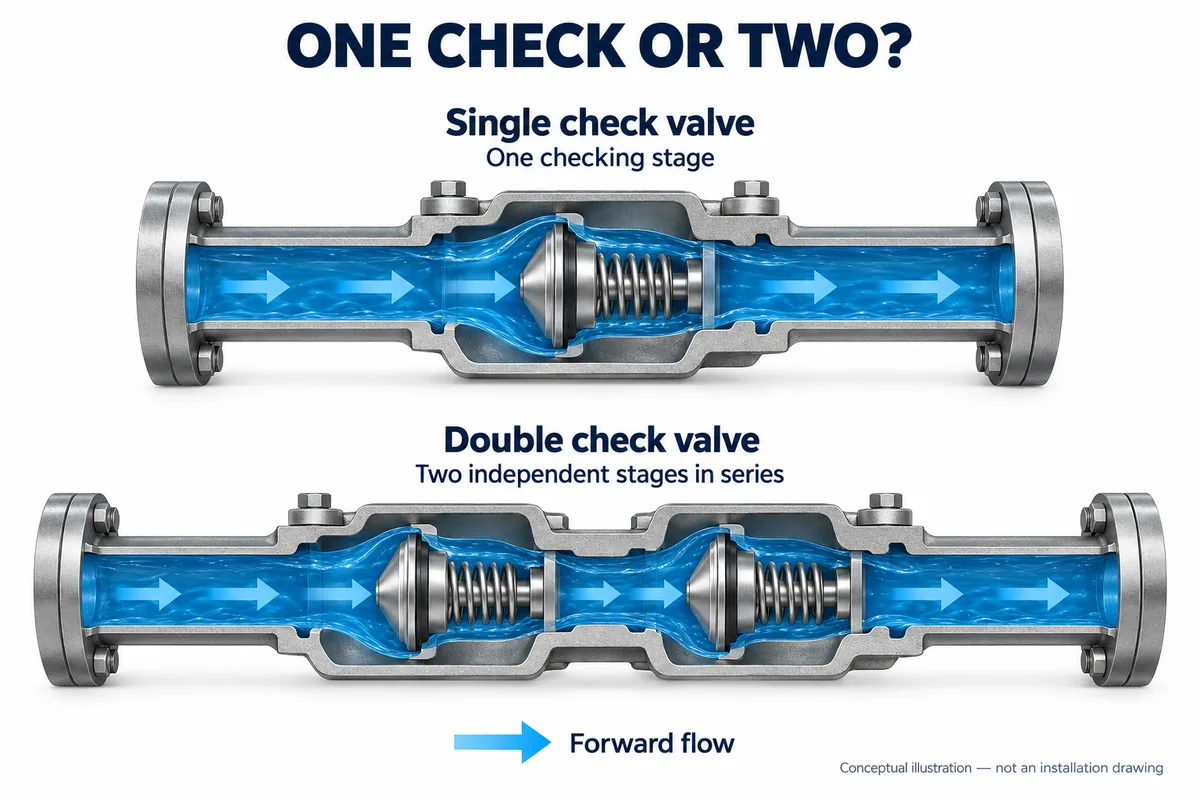
Dual check valves are non‑testable and lack fail‑safes. Backflow preventers (RPZ/DCVA) offer annual testing and relief valves. Learn the key differences and code requirements before you choose.
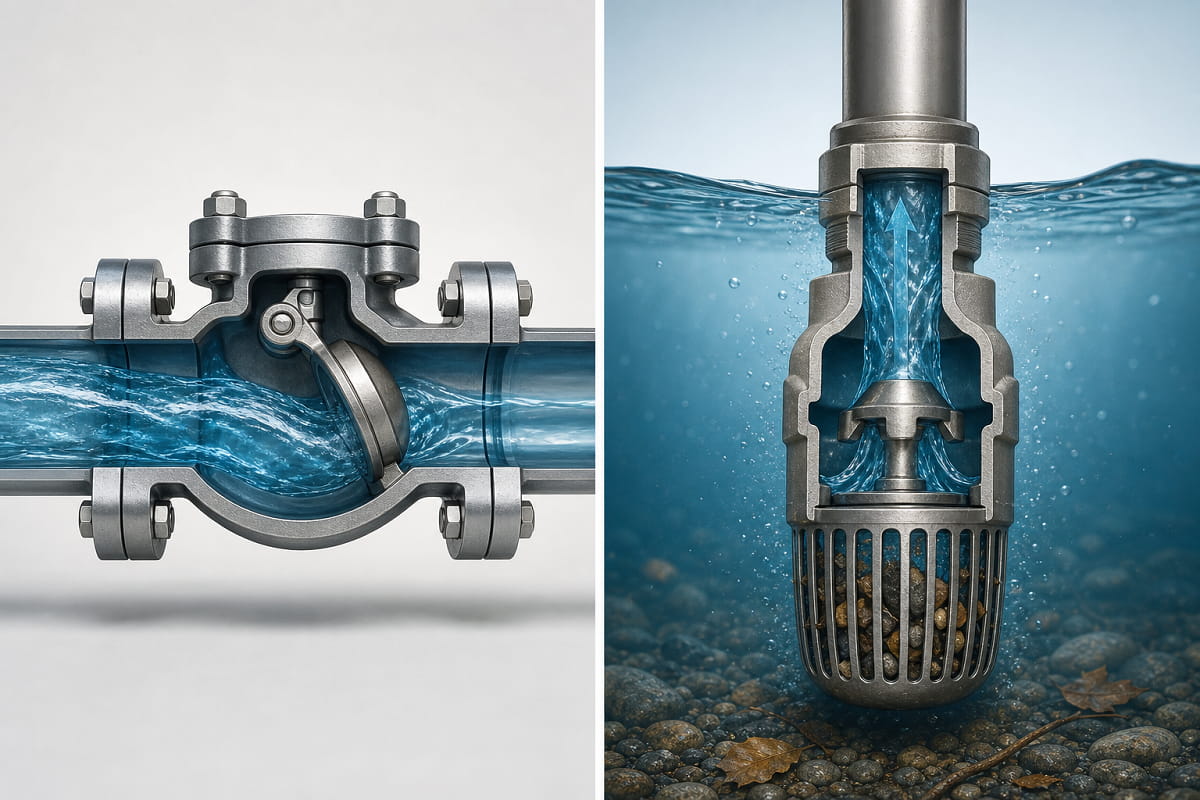
Using the wrong valve can cost you a pump. Foot valves keep suction lines primed and filter debris. Standard check valves prevent backflow in pressurized systems. Learn which one fits your setup and avoid losing prime, clogging, or pump damage.
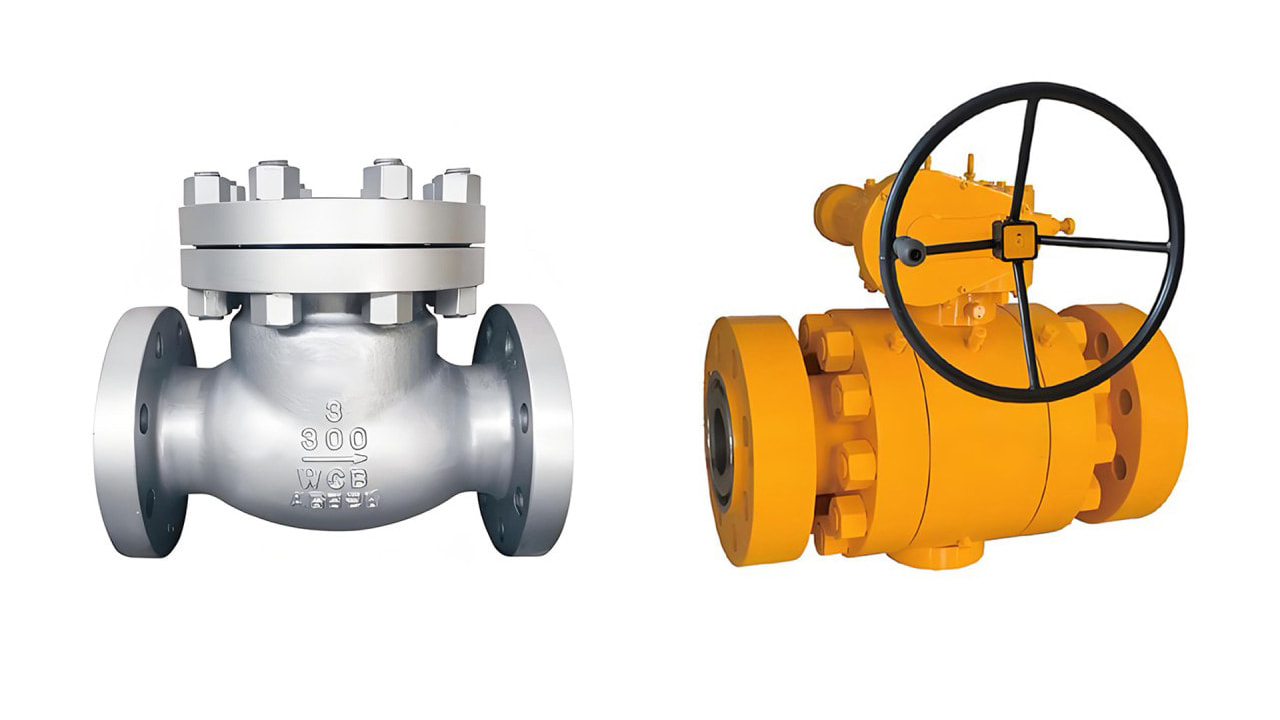
Learn the critical differences between check valves and ball valves. Discover when to use each type, common mistakes to avoid, and why using the wrong valve can lead to equipment damage and costly callbacks.
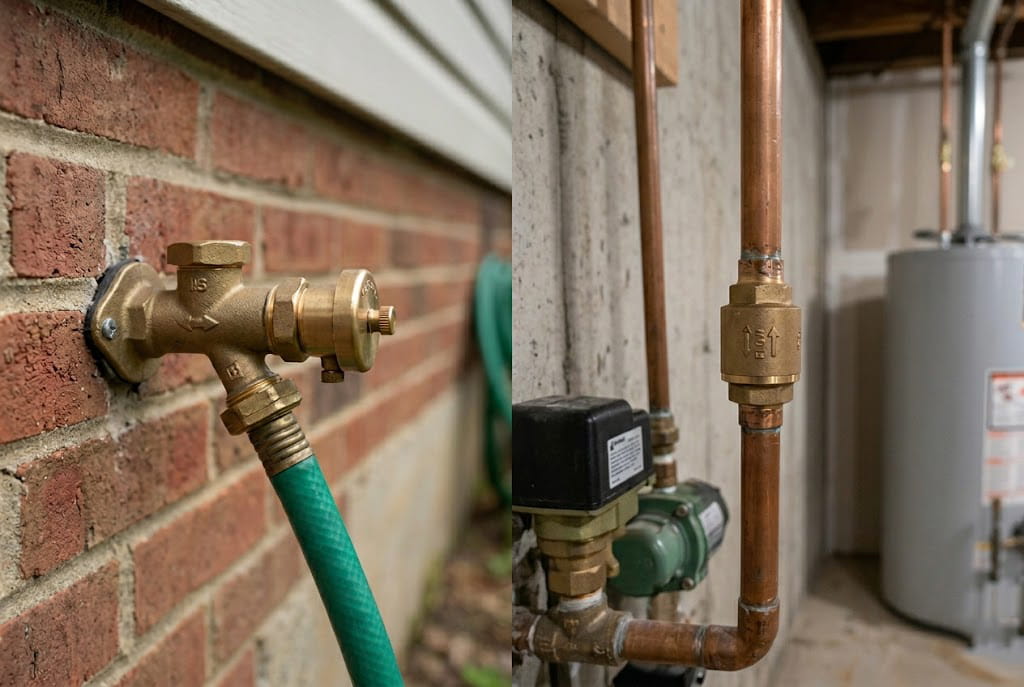
Learn the critical differences between vacuum breakers and check valves, when to use each, and how to choose the right one for your system.
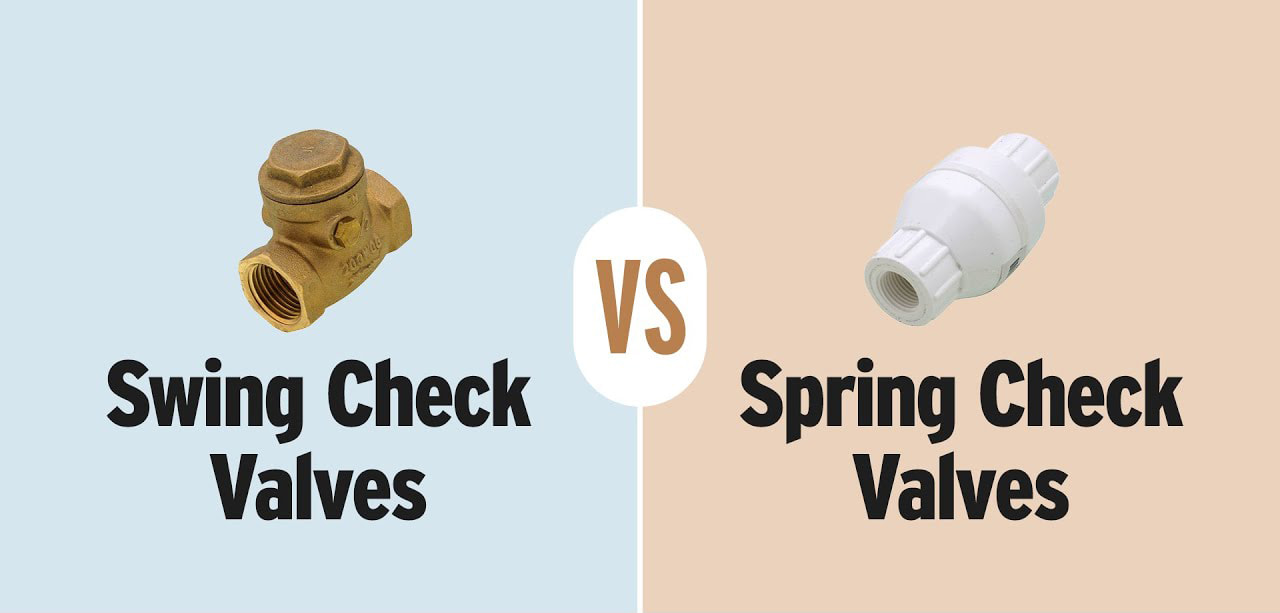
Learn the key differences between swing check valves and spring check valves. Discover which valve type prevents water hammer, works in vertical pipes, and saves money. Expert installation tips included.
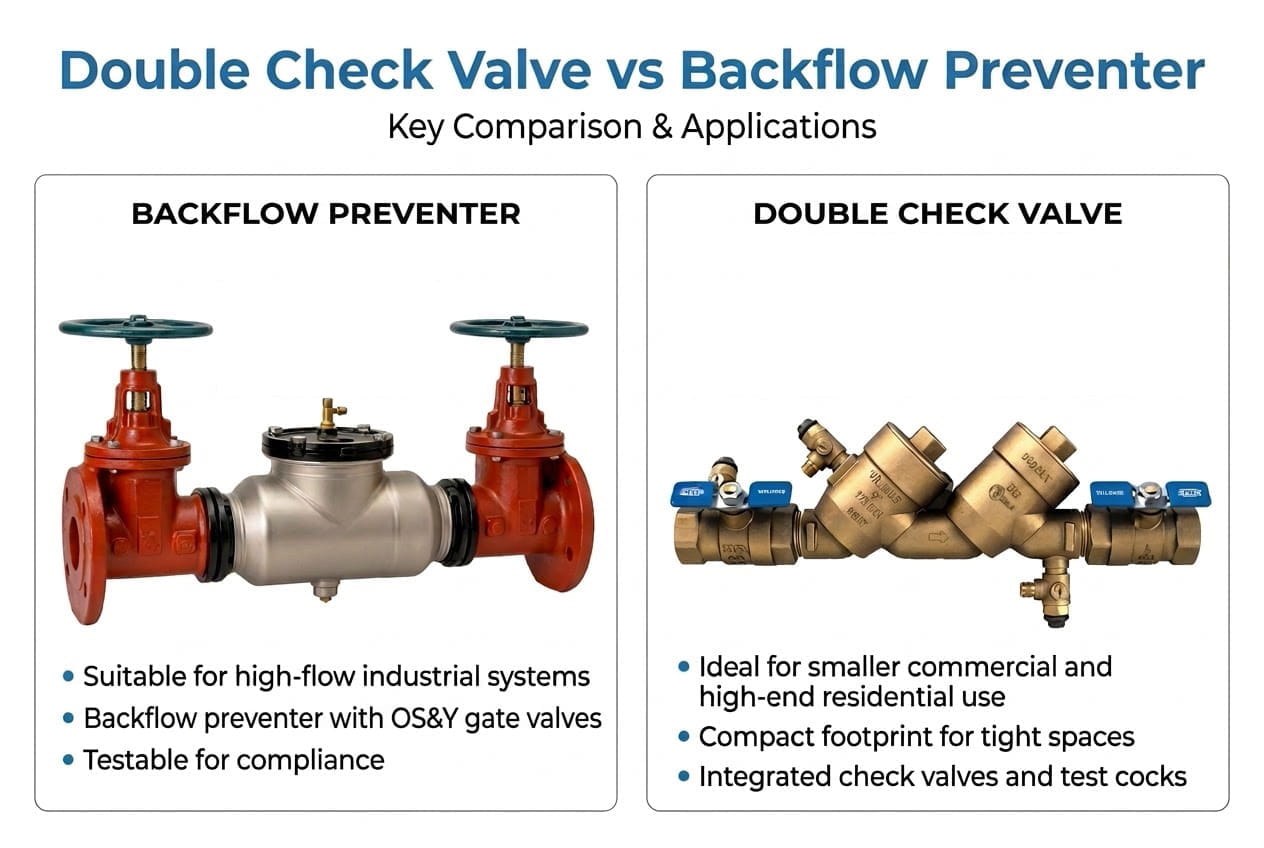
Learn the critical differences between double check valves and backflow preventers. Understand protection levels, costs, code requirements, and when to use each device to avoid costly mistakes and protect water safety.
Check valve vs backflow preventer explained. Learn the real differences, when to use each, costs, and why using the wrong one could result in contaminated water and hefty fines.