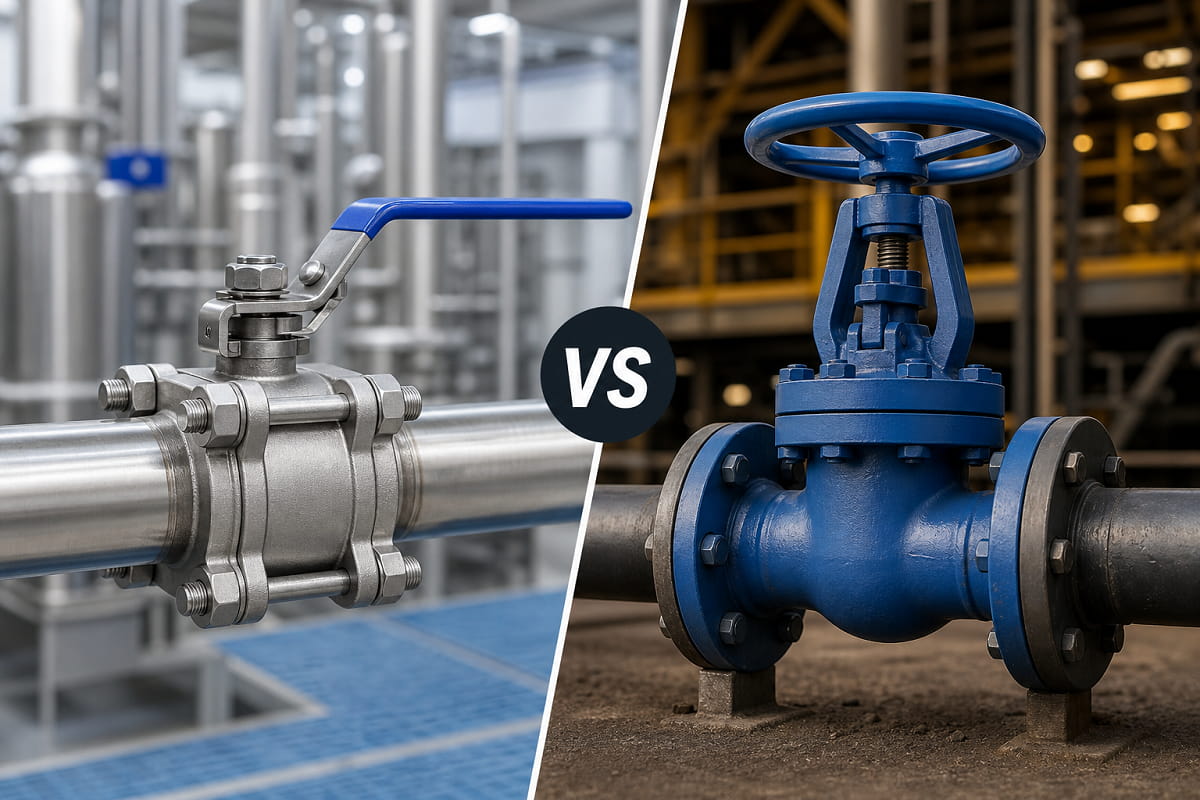
Ball Valve vs Isolation Valve: Key Differences Explained
Ball valve vs isolation valve: not all isolation valves are ball valves. Learn the key differences, when to use each type, and how to avoid costly selection mistakes.

Ball valve vs isolation valve: not all isolation valves are ball valves. Learn the key differences, when to use each type, and how to avoid costly selection mistakes.
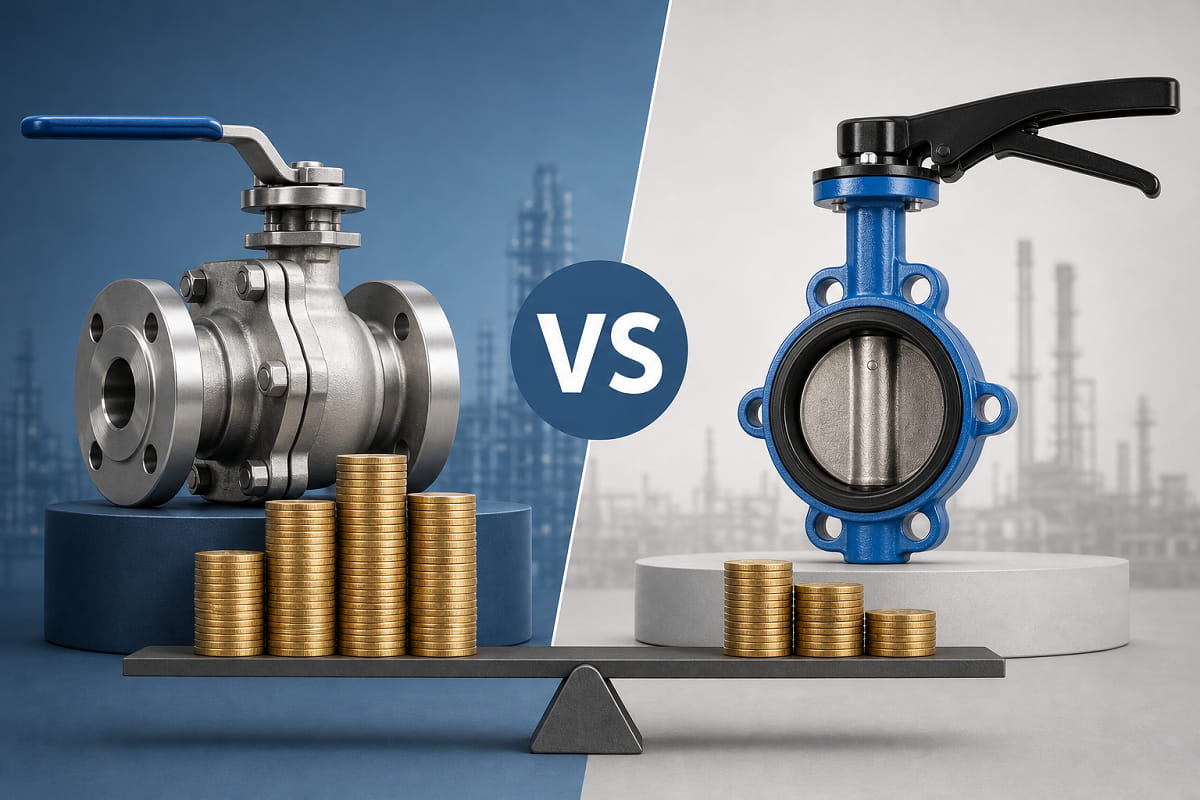
Compare ball valve vs butterfly valve cost by pipe size, pressure, space, actuation, and maintenance. See when ball valves or butterfly valves cost less over the life of your system.
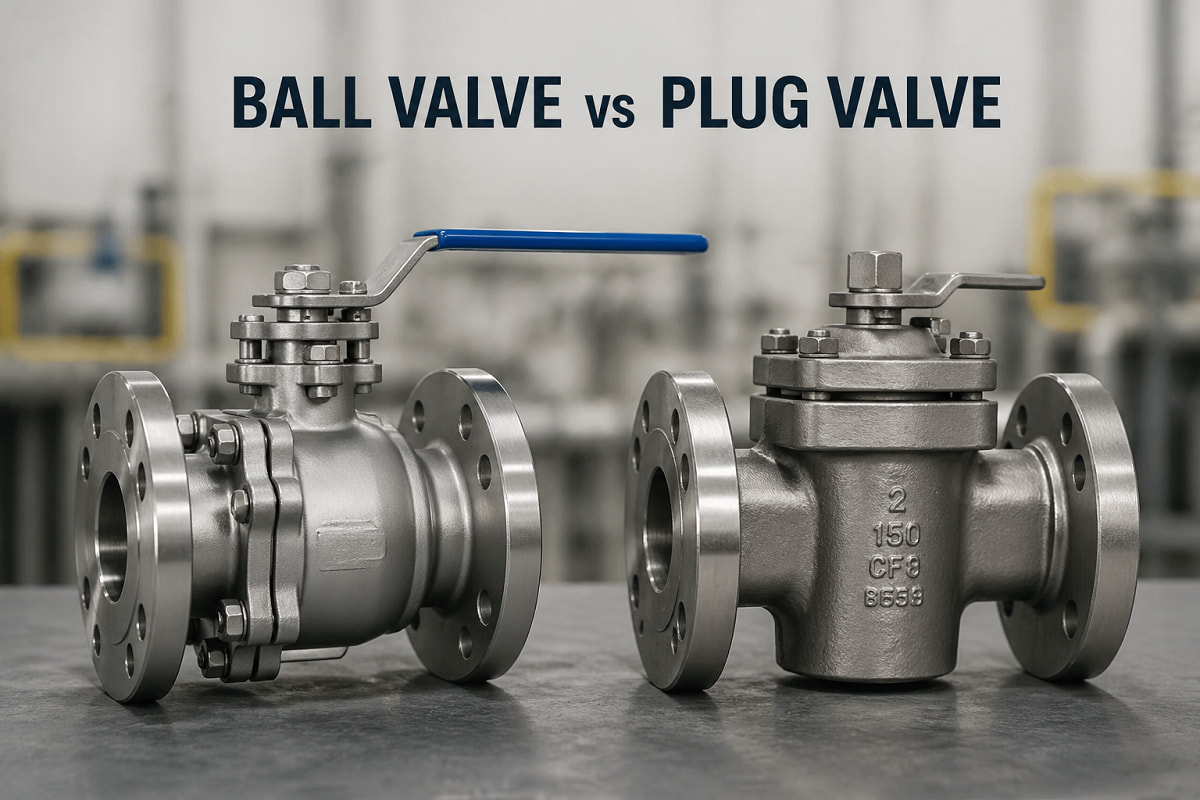
Stuck between a ball valve and plug valve? Learn the critical differences in sealing, torque, and maintenance. Avoid leaks and actuator failure with our clear decision guide.
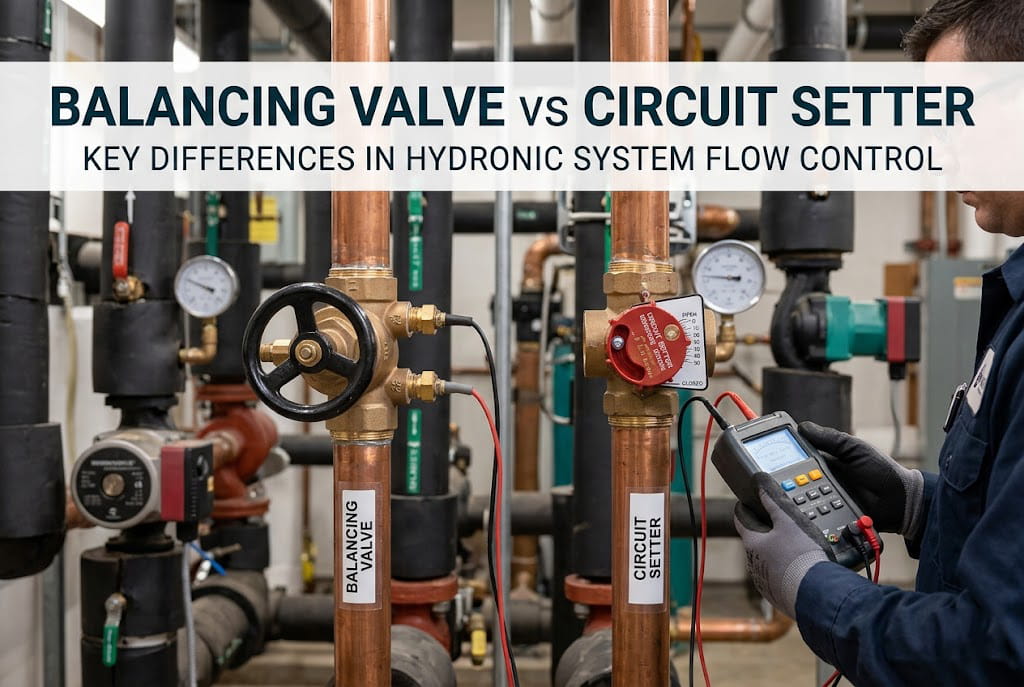
Learn the key differences between balancing valves and circuit setters for HVAC systems. Discover when to use each type, cost considerations, and expert recommendations for optimal flow control.
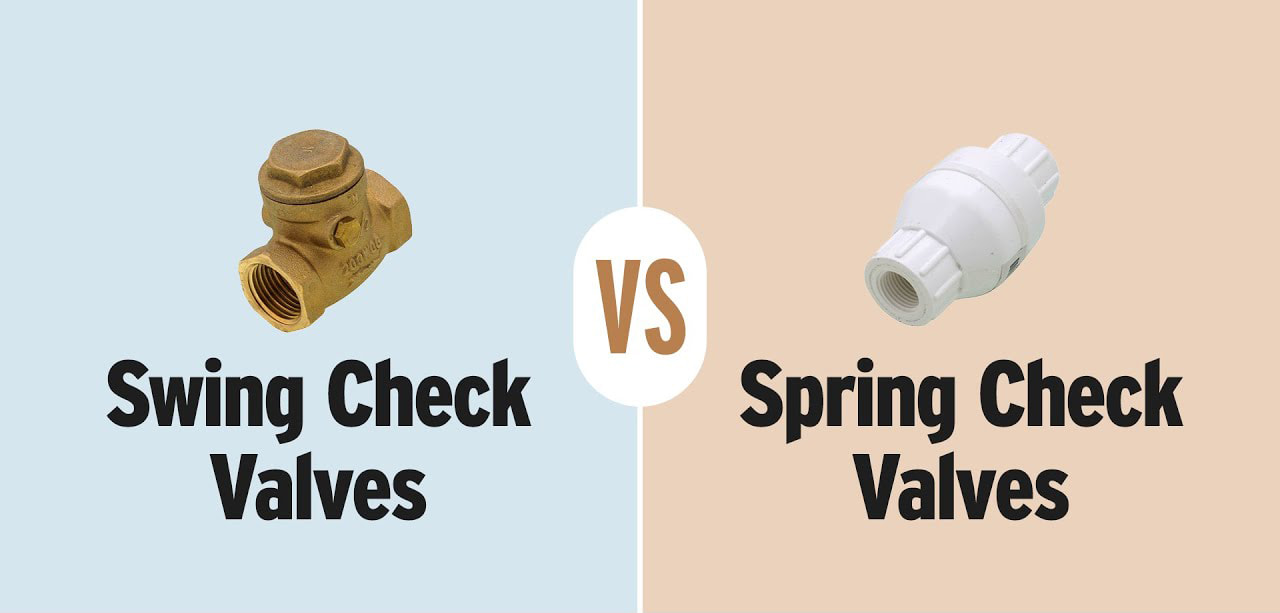
Learn the key differences between swing check valves and spring check valves. Discover which valve type prevents water hammer, works in vertical pipes, and saves money. Expert installation tips included.
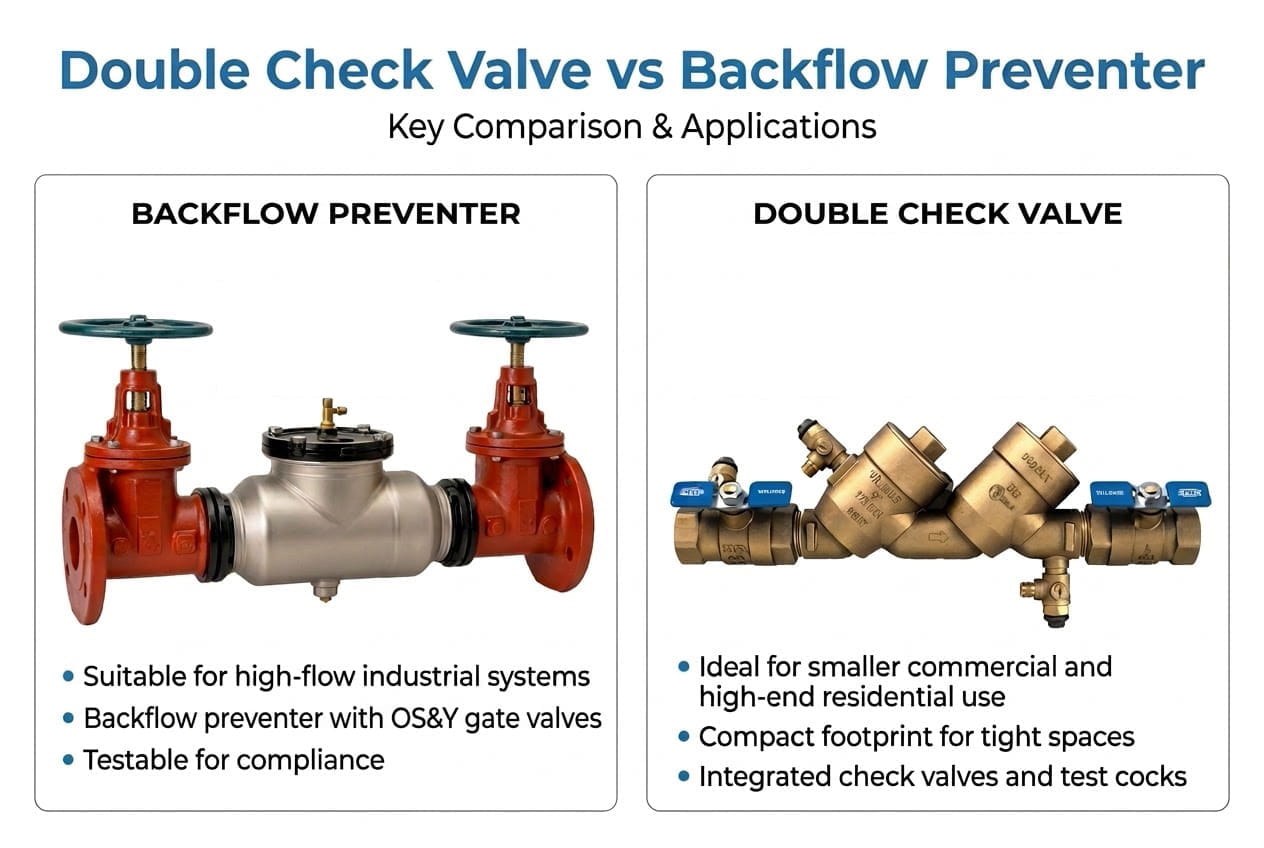
Learn the critical differences between double check valves and backflow preventers. Understand protection levels, costs, code requirements, and when to use each device to avoid costly mistakes and protect water safety.
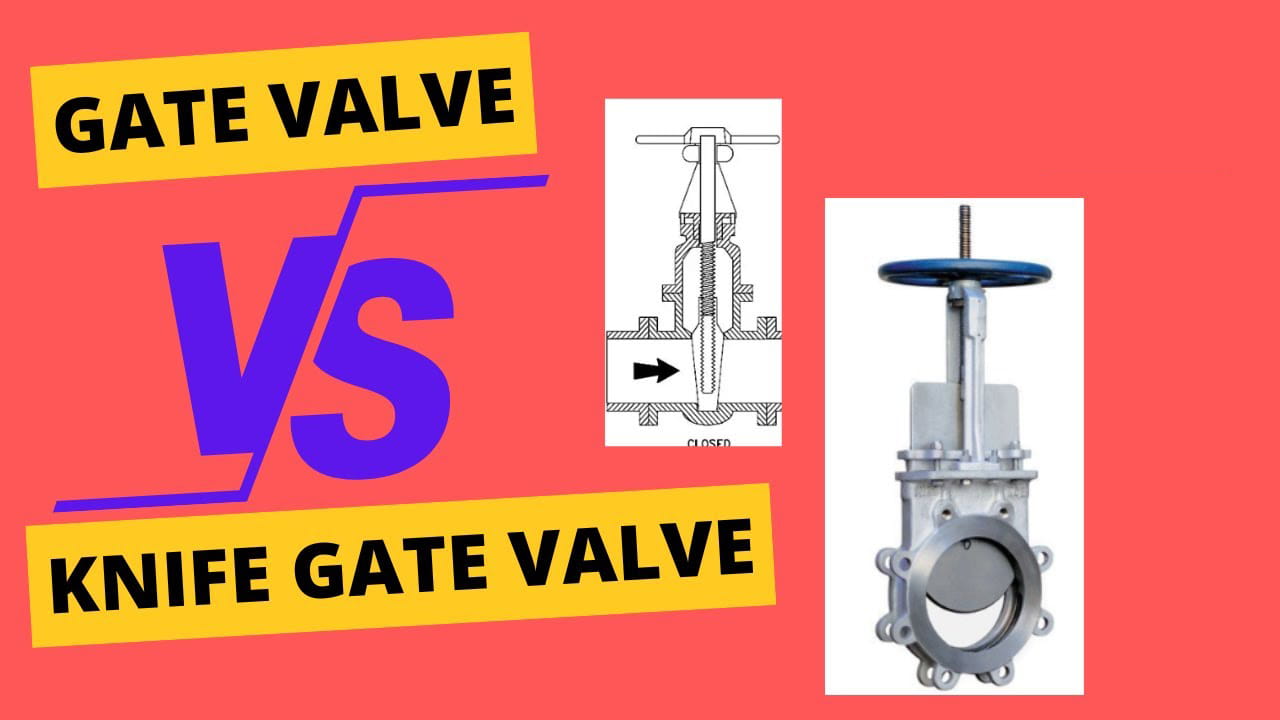
Discover the critical differences between knife valves and gate valves. Learn when to use each type, common mistakes to avoid, and make the right choice for your application.
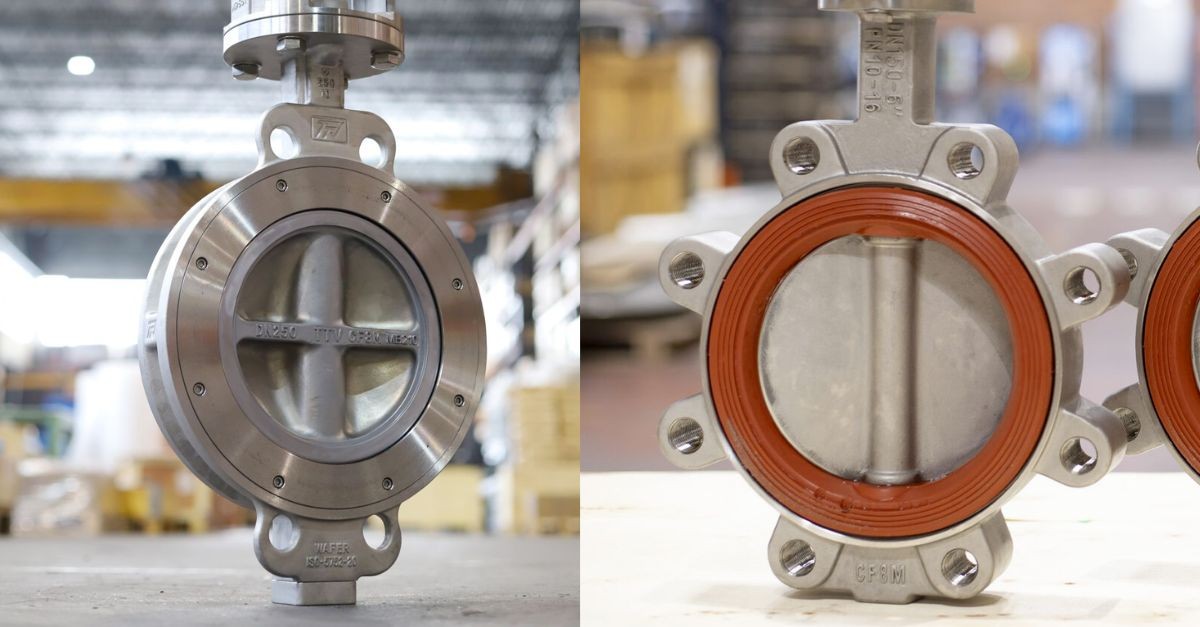
Here’s the deal: If you’re choosing between a wafer and lug butterfly valve, you’re probably wondering which one is right for your … Read more
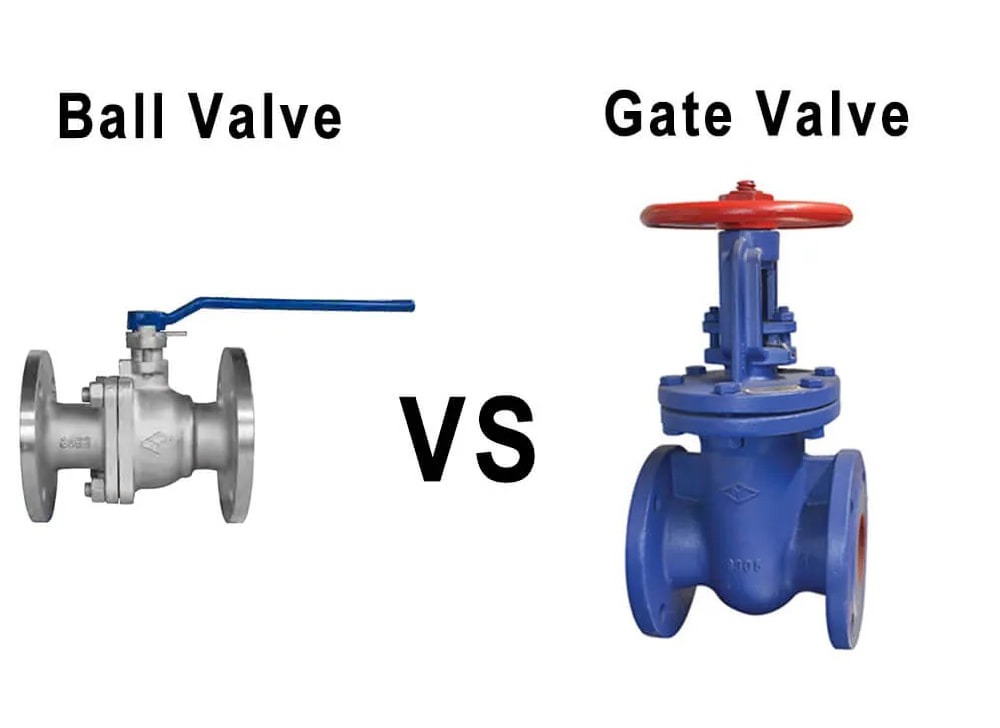
Comparing ball valves vs gate valves? Learn the key differences in operation speed, sealing performance, cost, and applications. Get expert tips on choosing the right valve for your plumbing system.
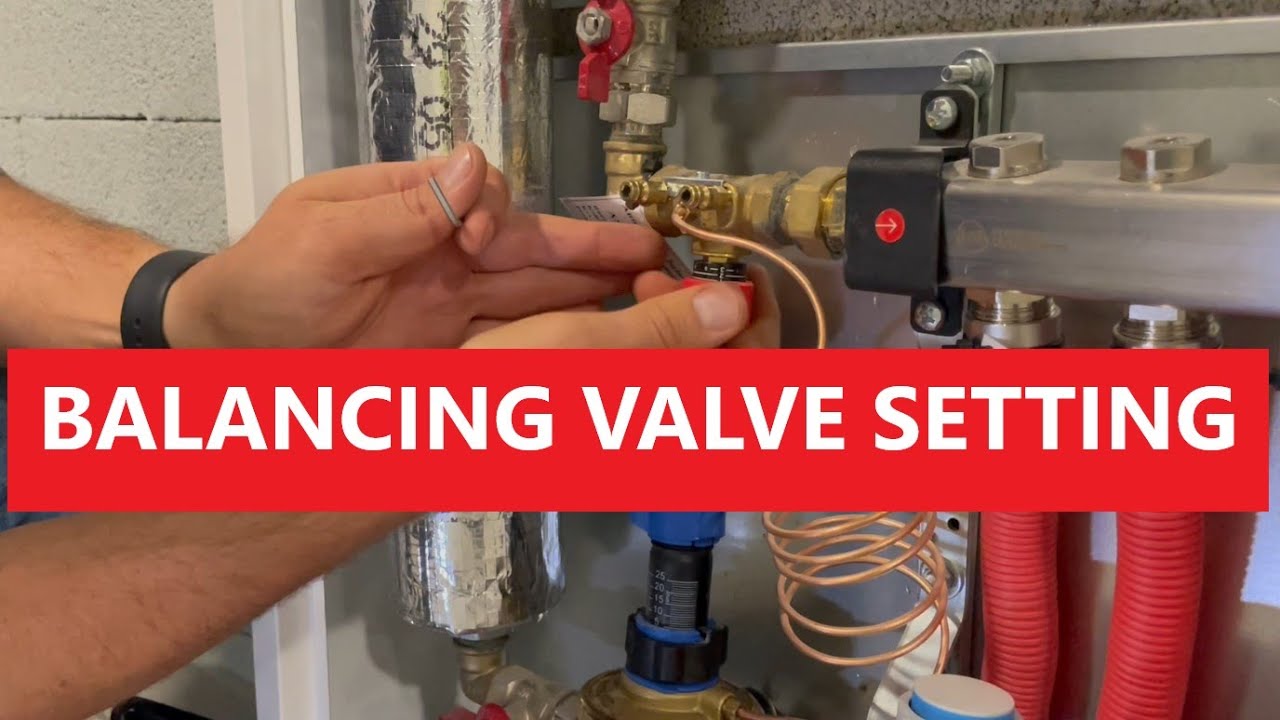
Learn how to adjust balancing valve settings to fix uneven heating/cooling. Step-by-step guide covers manual and automatic valves, proper installation, and troubleshooting tips.

EMAIL: commercial@zecovalve.co.uk
Tel:
44- 7868 71 9698
ADDRESS:
22 Guild Rd, London,
UNITED KINGDOM
© ZECO VALVE GROUP